Top 2025 Water Well Pump Guide for Homeowners and Professionals
In the realm of sustainable living, the significance of a reliable water well pump cannot be overstated. As homeowners and professionals alike strive to enhance their water supply systems, understanding the intricacies of selecting and maintaining these essential tools is crucial. Industry expert Dr. Emily Carter, a leading authority in groundwater management, emphasizes, “A quality water well pump is not just an investment in your home; it is an investment in your future water security.” This statement underlines the importance of selecting the right pump for both efficiency and longevity.
As we delve into the Top 2025 Water Well Pump Guide, it becomes apparent that knowledge and awareness play pivotal roles in making informed decisions. With a myriad of options available on the market, understanding the specifications, capabilities, and maintenance requirements of water well pumps is essential for optimal performance. This guide aims to equip homeowners and professionals with the tools and insights necessary to navigate the complexities of water well pump selection, ensuring that every aspect of their water extraction needs is met with precision and care. Whether you are drilling a new well or replacing an old system, the right information will help you secure a steady and safe water supply for years to come.
Understanding the Basics of Water Well Pumps for Homeowners
Water well pumps are essential components for homeowners relying on groundwater for their domestic needs. Understanding how these pumps function can significantly enhance one's ability to maintain and troubleshoot their systems effectively. At a fundamental level, a water well pump draws water from the underground aquifer and delivers it to the home.
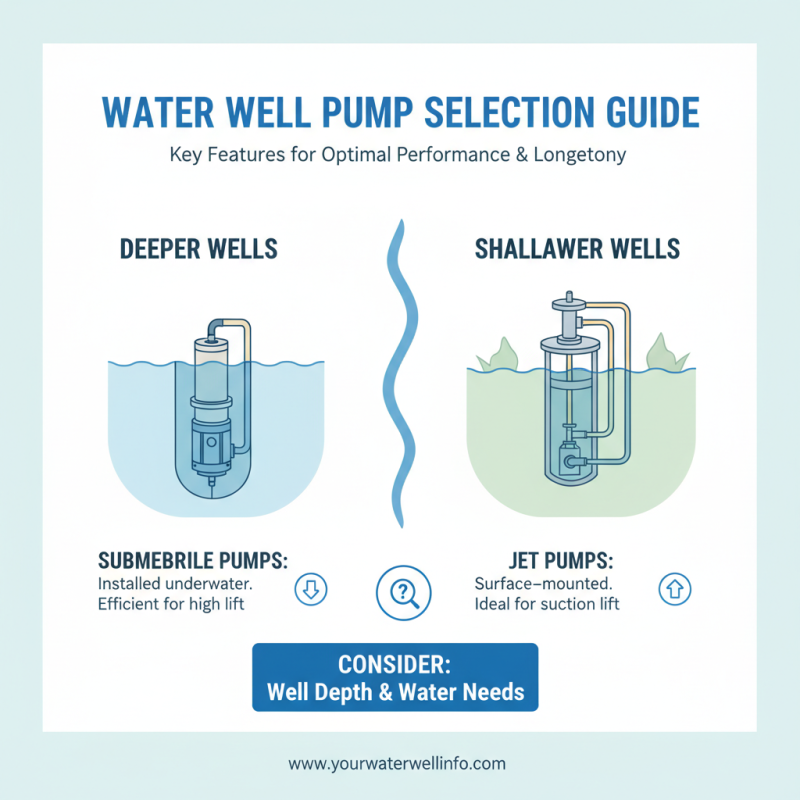
There are two primary types of pumps used: submersible pumps, which are located deep within the well, and jet pumps, which are typically installed above ground. Each type has its own unique operational mechanism, making it crucial for homeowners to familiarize themselves with the differences to select the right option for their specific needs.
Another important aspect of water well pumps is their efficiency and maintenance. Homeowners should pay attention to factors such as pump size, horse power, and flow rate, as these directly impact performance and energy consumption. Regular inspections and maintenance are vital to ensure the longevity of the pump and to prevent issues such as low water pressure or contamination.
Additionally, understanding when to call for professional assistance can save time and prevent costly repairs down the line. By gaining a solid grasp of these basic principles, homeowners can ensure a reliable water supply while also protecting their investment in the long term.
Types of Water Well Pumps: Which One is Right for You?
When selecting the right water well pump, it's crucial to understand the different types available and how they fit your specific needs. There are generally three main types of pumps to consider: submersible pumps, jet pumps, and hand pumps. Submersible pumps are typically used for deep wells and are installed underwater, making them efficient in pushing water to the surface. They are ideal for high-demand situations where a constant water supply is necessary.
On the other hand, jet pumps are more suitable for shallow wells and draw water using suction. These pumps are surface-mounted, and while they are easier to install and maintain, they may not perform well in deeper applications. For those looking at more traditional or emergency options, hand pumps provide a manual method of drawing water and are excellent for backup systems, particularly in remote areas where electricity is not available.
Selecting the right pump depends on factors like the depth of the well, the volume of water needed, and your budget. By understanding these distinctions and assessing your specific requirements, you can make a more informed decision that will ensure a reliable and efficient water supply for your home or professional use.
Top 2025 Water Well Pump Guide for Homeowners and Professionals
| Pump Type |
Depth Suitability |
Flow Rate (GPM) |
Power Source |
Best Use Cases |
| Submersible Pump |
Over 25 ft |
5-50 GPM |
Electric |
Deep wells, irrigation |
| Jet Pump |
Up to 25 ft |
3-25 GPM |
Electric |
Shallow wells, household use |
| Hand Pump |
Variable |
1-5 GPM |
Manual |
Emergencies, remote locations |
| Solar Pump |
Variable |
3-50 GPM |
Solar |
Off-grid systems, irrigation |
| Centrifugal Pump |
Up to 25 ft |
5-30 GPM |
Electric or Gas |
Irrigation, water transfer |
Key Features to Consider When Choosing a Water Well Pump
When selecting a water well pump, there are several key features homeowners and professionals should consider to ensure optimal performance and longevity. First, the type of pump is crucial. Submersible pumps, which are installed underwater, are suitable for deeper wells, while jet pumps can work effectively in shallower settings. Understanding the specific requirements of your well depth and water needs will significantly influence your choice.
Another vital aspect to consider is the pump's flow rate and pressure capabilities. Accurate flow rate measurements indicate how much water can be delivered per minute, which is critical for meeting household demands or agricultural use. Additionally, pressure ratings ensure that water reaches the desired heights, especially in multi-story homes. Lastly, energy efficiency should not be overlooked; choosing a pump with good efficiency ratings can lead to significant savings on energy costs over time, making it both an economical and environmentally friendly option for users.
Maintenance Tips to Ensure Longevity of Your Well Pump
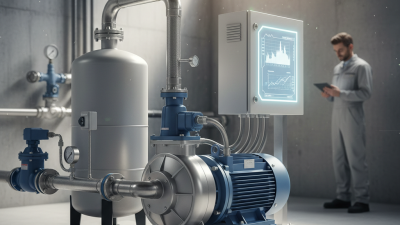
Maintaining a well pump is crucial for ensuring its longevity and optimal performance. Regular checks on the electrical connections, as well as the pressure switch and control panel, should be performed to prevent any potential issues. It's essential to keep the surrounding area clean and free of debris, as this can affect the pump's functionality. Monitoring water levels in the well and ensuring they remain within safe limits will help avoid unnecessary strain on the pump.
Additionally, routine maintenance tasks such as changing the filter and inspecting the pump for leaks or unusual noises can significantly extend its lifespan. Homeowners should also consider scheduling professional inspections at least once a year to address any signs of wear and tear. By following these maintenance tips, both homeowners and professionals can ensure their well pumps operate smoothly and efficiently for years to come.
Choosing a Professional: When to Call an Expert for Installation and Repair
When it comes to installing or repairing a water well pump, knowing when to call in a professional is crucial for homeowners and professionals alike. According to the National Ground Water Association, nearly 14 million households in the U.S. rely on private wells, and improper installation or maintenance can lead to serious issues including water contamination and pump failure. It is essential to recognize the signs that indicate you need an expert. For instance, if you notice a significant drop in water pressure or unusual noises from the pump, it’s time to consult a professional.
Tips: Always check for the right licensing and certifications when hiring an expert. This ensures they have the required knowledge and skills to handle your specific needs. Additionally, consider asking for recommendations from neighbors or friends who have had similar work done to find a reliable contractor.
Moreover, understanding the complexity of your water system is vital. A simple repair could quickly turn into a larger issue if the underlying problems are not adequately identified. The U.S. Environmental Protection Agency suggests regular maintenance checks every year to prevent costly repairs later on. If your system is showing signs of aging, such as frequent repairs or inefficiency, hiring a professional for a full evaluation can save you both time and money in the long run.
Tips: Schedule routine inspections to catch potential problems early. This proactive approach can ensure your water well system operates efficiently and safely, protecting your family and investment.
Water Well Pump Types Comparison
This chart displays the average efficiency (Gallons Per Minute - GPM) of different types of water well pumps. Selecting the right pump can significantly impact water supply and energy usage.