Top 10 Advantages of CNC Turning Centers for Precision Machining?
CNC Turning Centers have gained enormous popularity in precision machining. According to a report by MarketsandMarkets, the global CNC machine market is expected to reach $117.72 billion by 2025. This figure illustrates the increasing reliance on technology in manufacturing.
The use of CNC Turning Centers significantly enhances efficiency. They can produce complex parts with tight tolerances, reducing manual labor time. For instance, manufacturers can achieve a precision level of up to ±0.001 inches. However, the initial investment in CNC Turning technology can be daunting for small businesses.
Despite their advantages, there are challenges to consider. Operators need specialized training to manage these machines effectively. Additionally, ongoing maintenance is crucial to avoid errors. While CNC Turning Centers offer impressive benefits, these factors require careful evaluation by manufacturers.
Advantages of CNC Turning Centers in Precision Machining
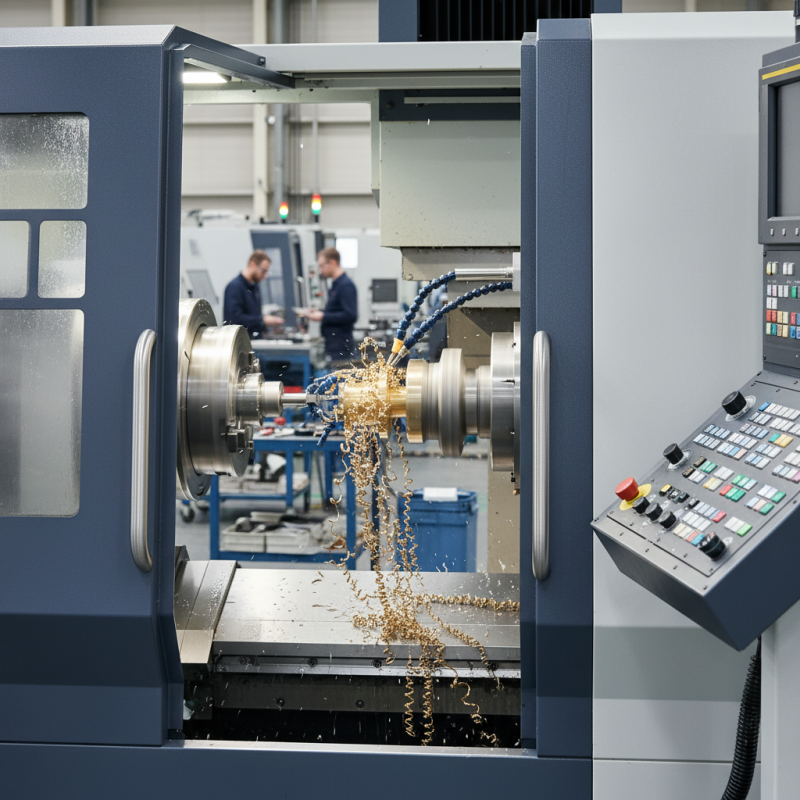
CNC turning centers revolutionize precision machining with their advanced capabilities. These machines offer unmatched accuracy in producing cylindrical parts. The ability to execute complex designs is a significant benefit. Many industries rely on this precision for critical components, such as in aerospace and medical fields.
One key advantage is efficiency. CNC turning centers reduce production time significantly. Operators can load multiple materials, streamlining the manufacturing process. However, some challenges arise. Setting up the machines can be time-consuming, requiring skilled technicians. There is also the potential for programming errors, leading to wasted materials.
Flexibility is another noteworthy feature. These centers adapt to various part sizes and shapes without extensive retooling. This adaptability makes them ideal for both small and large production runs. Yet, the initial investment can be substantial, which might deter some businesses. Balancing cost and benefits remains a critical consideration for manufacturers eyeing these technologies.
Enhanced Accuracy and Consistency in Manufacturing Processes
CNC turning centers revolutionize precision machining. They greatly enhance accuracy and consistency in manufacturing processes. According to a recent industry report, CNC machining can achieve tolerances as tight as ±0.005 mm. This level of precision is critical in industries like aerospace and medical device manufacturing. A slight error can lead to significant failures.
Moreover, these machines consistently produce high-quality parts. Studies indicate a reduction in defects by about 30% when using CNC turning centers. This consistency stems from automated processes that minimize human error. Even minor fluctuations in temperature or materials can affect outcomes. CNC turning centers adapt quickly, ensuring products meet specifications.
However, not all processes may benefit equally from automation. Some complex designs still require skilled craftsmanship. Balancing technology and human skill is essential. Industries must remain vigilant about integrating both for the best results. Continuing education on CNC and traditional techniques could optimize production efficiency.
Increased Production Efficiency and Reduced Lead Times
CNC turning centers have transformed precision machining by enhancing production efficiency. According to a recent industry report, these machines can increase speed by up to 30%. They achieve this through reduced cycle times, allowing for a quicker turnaround on projects. For manufacturers, shorter lead times mean they can respond faster to market demands. This is crucial in industries like aerospace and automotive, where timing is critical.
However, not all shops can quickly adapt to these technologies. Some face challenges, such as skilled labor shortages. While CNC turning centers automate many processes, the need for expertise remains. Without a skilled workforce, the benefits may not fully materialize. Maintaining high-quality output becomes essential. Sometimes, machine errors can lead to rework, which undermines efficiency gains.
Moreover, the initial investment in CNC turning can be daunting. Reports suggest that while costs can be offset over time, the upfront capital may deter smaller businesses. Organizations must weigh this carefully. There’s also a learning curve that can lead to temporary slowdowns as staff adjust to new systems. Balancing investment with operational needs can be complex.
Versatility in Machining Various Materials and Complex Geometries
CNC turning centers are renowned for their versatility, enabling the machining of various materials. This includes metals, plastics, and composites. According to a report by the International Journal of Advanced Manufacturing Technology, CNC turning can produce components with tolerances as tight as ±0.01 mm, providing unmatched precision.
Complex geometries are another forte of CNC turning centers. These machines can handle intricate shapes that are challenging with traditional techniques. They excel in creating features like deep grooves, threads, and varying diameters. This flexibility is crucial in industries such as aerospace and automotive, where design complexities are frequently needed. Reports suggest that approximately 80% of manufacturers favor CNC technology for these capabilities.
However, there are limitations. Not every project can benefit from CNC turning. For instance, large, bulky items may not be suitable for this method. Complexity in programming can also lead to higher lead times. It's vital for manufacturers to assess whether the benefits outweigh these challenges. Balancing precision with operational efficiency is key.
Automated Operations and Reduced Labor Costs in Machining Tasks
CNC turning centers revolutionize precision machining. They automate many operations previously done by hand. By utilizing these systems, manufacturers can significantly reduce labor costs. Automation minimizes human error and improves consistency in production. This efficiency is vital for maintaining competitive pricing.
With fewer operators needed, businesses can allocate resources to other areas. The workforce can focus on more complex tasks requiring human insight. However, there is a learning curve. Employees must adapt to the technology, which can be daunting at first. Training and transitioning can create temporary disruptions.
While the benefits of reduced labor costs are clear, challenges arise. Not all tasks are entirely automatable. Certain machining tasks still require skilled labor. Workers must learn to oversee automated systems while ensuring quality control. This balance is crucial for optimal operation and sustainability in the long run.
Conclusion
CNC Turning Centers offer numerous advantages that make them essential for precision machining. One of the primary benefits is enhanced accuracy and consistency in manufacturing processes, which ensures that each part produced meets strict tolerance requirements. Additionally, these machines significantly increase production efficiency and reduce lead times, enabling manufacturers to respond swiftly to market demands.
Versatility is another key trait of CNC Turning Centers, as they can effectively machine a wide variety of materials and complex geometries. With automated operations, these centers minimize labor costs and improve operational efficiency. Furthermore, they provide an improved surface finish and stringent quality control for machined parts, making them a preferred choice in modern manufacturing environments focused on precision and quality.