Best Solutions for Pumping in China What Is a Solution Pump?
In the rapidly evolving industrial landscape of China, the demand for efficient pumping solutions is on the rise. According to a recent report by the China National Chemical Equipment Industry Association, the pump market is projected to grow at a compound annual growth rate (CAGR) of 7.2% from 2020 to 2025. This growth is largely driven by industries requiring advanced fluid handling solutions. One such solution is the "solution pump," which is gaining traction for its ability to manage both viscous and abrasive fluids.
A solution pump is designed with specific features that enhance reliability and performance in challenging environments. These pumps are integral to sectors like chemical processing, wastewater treatment, and mining. However, understanding the exact specifications of a solution pump can be complex. Many users may overlook critical factors such as flow rate and material compatibility. A faulty choice can lead to inefficiencies and increased costs, underscoring the need for thorough research and expert guidance.
Navigating this competitive market requires acknowledging both the advancements and limitations of solution pumps. While they offer numerous benefits, not all manufacturers meet the same standards of quality. Regular evaluations and comparisons are essential to identify reliable options. By focusing on credible suppliers and accurate data, industries can improve their operational efficiency and reduce operational risks associated with improper pump selection.
Overview of Pumping Solutions in China
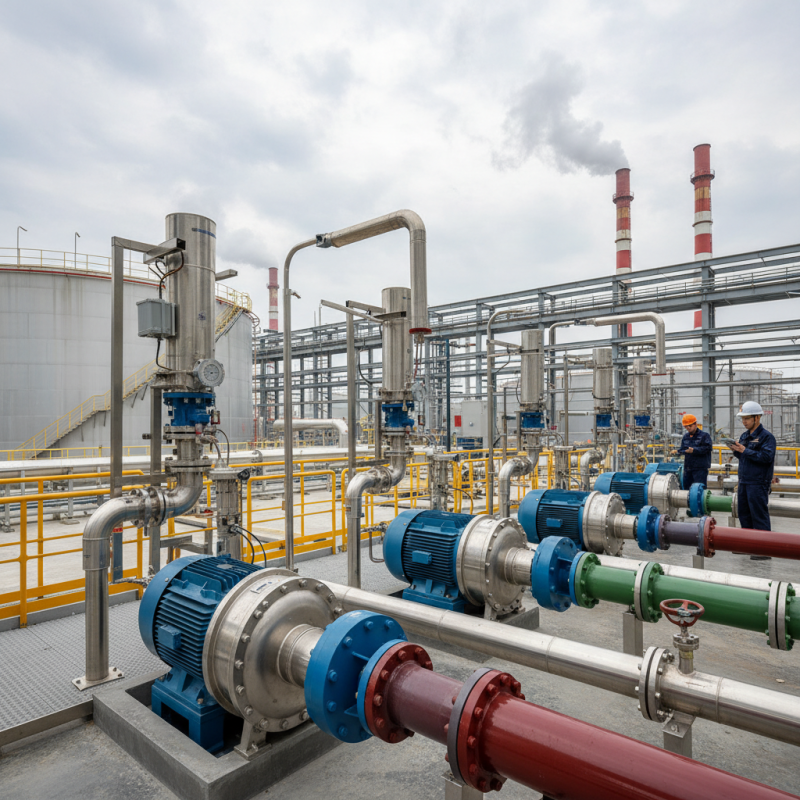
Pumping solutions in China vary widely across industries. The demand for efficient and reliable pumps is increasing. Industries such as agriculture, construction, and mining require tailored pumping systems. Understanding the specific needs of these sectors is crucial. The landscape often features both centrifugal and positive displacement pumps. Each type serves distinct purposes, influencing performance and energy consumption.
In China, many companies face challenges in selecting the right pump. Technical expertise plays a vital role here. Misunderstanding pump requirements can lead to inefficiencies. Sizing, material compatibility, and fluid characteristics matter greatly. Many companies overlook these details, leading to costly errors.
Environmental concerns are increasingly relevant. Sustainable practices in pumping are essential for future growth. However, some solutions can be inadequate if not evaluated properly. Many installations remain outdated, lacking modern efficiency. Continuous improvement and adaptation are necessary in this dynamic market. Addressing these gaps in knowledge can enhance overall effectiveness in pumping solutions.
Definition and Functionality of a Solution Pump
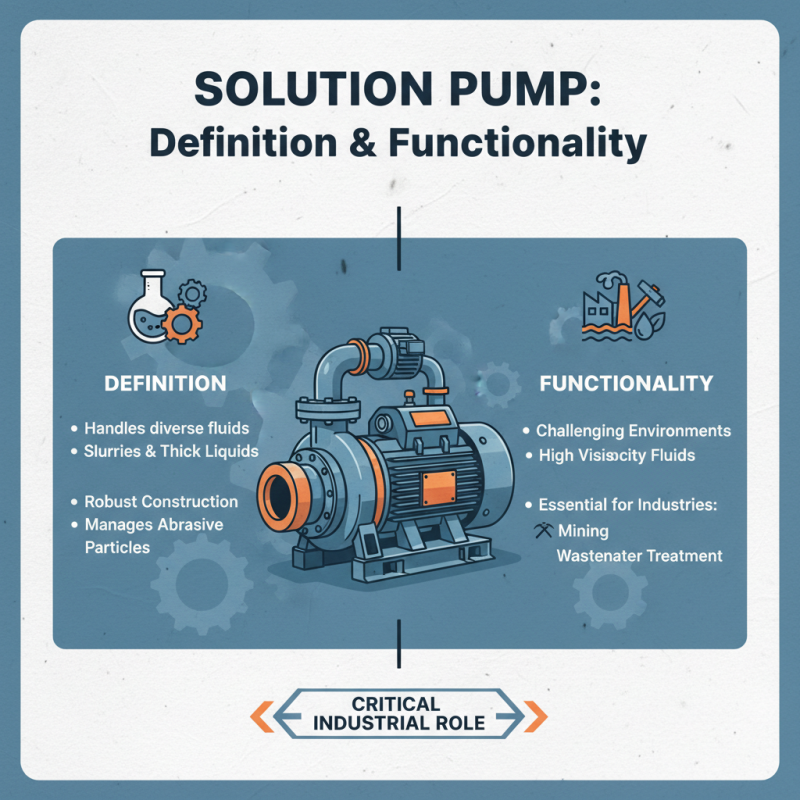
A solution pump serves a critical role in various industrial applications. It is designed to handle a wide range of fluids, including slurries and thick liquids. Unlike traditional pumps, solution pumps possess unique features that make them suitable for challenging environments. Their robust construction allows them to manage fluids with abrasive particles and high viscosity. This functionality is essential in industries like mining and wastewater treatment.
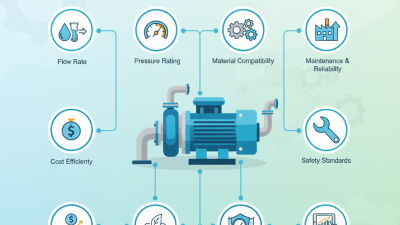
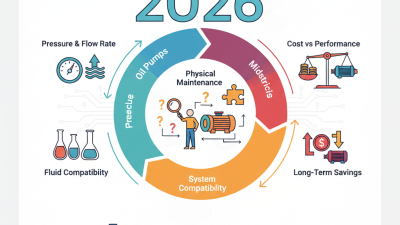
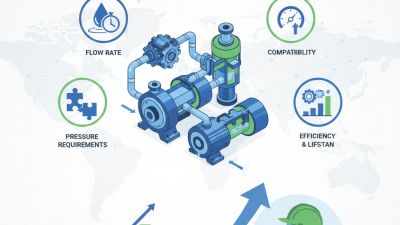
When selecting a solution pump, consider its flow rate and pressure rating. Ensure it aligns with your specific application needs. Also, pay attention to the materials used in the pump's construction. Certain materials offer better resistance to corrosion and wear. Understanding these factors can prevent costly failures in operations.
Tips: Regular maintenance is vital. Check for wear and tear frequently. Proper lubrication extends pump lifespan. Always monitor the pump’s performance metrics. If there are unusual vibrations or sounds, address them quickly to avoid larger issues later. Lastly, train your staff on safe operating procedures. Ignoring this can lead to accidents or equipment damage.
Types of Solution Pumps Commonly Used in China
In China, solution pumps play a crucial role across various industries, particularly in chemical processing. These pumps ensure the efficient movement of fluids that contain solids, slurries, or granular materials. The use of solution pumps has grown significantly, contributing to a market valued over $1 billion in 2022. This increase highlights their importance in manufacturing and mining sectors.
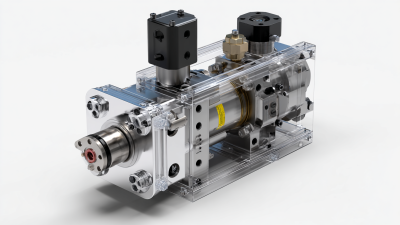
Common types of solution pumps in China include diaphragm pumps, screw pumps, and peristaltic pumps. Diaphragm pumps are favored for their ability to handle viscous fluids and solids without contamination. Meanwhile, screw pumps are known for their reliability and efficiency, especially in transferring thick or abrasive materials. Peristaltic pumps, on the other hand, are ideal for low-flow applications and are often used in laboratory settings.
Despite their advantages, solution pumps are not without challenges. Issues such as wear and tear can affect performance, especially in harsh environments. Operators must regularly monitor maintenance needs to avoid downtime. Furthermore, the selection of the right pump for specific applications remains a critical decision. Proper understanding of each pump's capabilities ensures optimal functioning and longevity in demanding conditions.
Advantages of Using Solution Pumps for Various Applications
Solution pumps are crucial in various industries due to their unique design and functionality. These pumps handle thick fluids and slurries effectively. They excel at moving materials with high solid content. Users appreciate their ability to reduce clogging, which enhances reliability.
The advantages of using solution pumps are multifaceted. They are efficient in transferring abrasive and corrosive substances. This efficiency reduces the need for maintenance, saving time and resources.
However, users must ensure that the pump selection aligns with the specific application requirements. Not all solutions are appropriate for every situation.
Efficiency comes with challenges. Proper installation is vital to avoid common pitfalls. Users might overlook compatibility with existing systems. A mismatch can lead to inefficiencies or even failures.
Regular maintenance is essential, though some users may find it cumbersome. Ensuring staff are well-trained can mitigate risks and enhance performance.
Best Practices for Selecting and Maintaining Solution Pumps
Selecting and maintaining solution pumps requires thorough consideration and expert knowledge. Understanding the specific needs of your application is key. Evaluate factors like flow rate, pressure requirements, and fluid characteristics. Each application may have unique demands that shape the decision-making process. Also, bear in mind the environment where the pump will operate. Harsh conditions can affect performance and durability.
Regular maintenance is crucial to extend the life of solution pumps. Create a maintenance schedule based on usage patterns. Inspections should include checking for wear on seals and bearings. Any signs of leakage or unusual noise should prompt immediate attention. Operators may feel tempted to overlook minor issues, but these can escalate quickly. Consider using condition monitoring tools. They provide real-time data and can alert you to potential problems early.
Training staff on proper operation and maintenance is vital. Knowledgeable operators can significantly reduce the risk of failures. Experience shows that even small mistakes lead to costly downtime. Building a culture of safety and diligence around pump operation pays off in the long run. Balancing between regular checks and on-the-spot troubleshooting is essential. Investing time in these practices fosters reliability in your pumping solutions.
Best Solutions for Pumping in China: Solution Pump Data Overview
| Pump Type |
Max Flow Rate (m³/h) |
Max Head (m) |
Efficiency (%) |
Maintenance Frequency (months) |
Typical Applications |
| Vertical Turbine Pump |
100 |
30 |
85 |
6 |
Irrigation, Water Supply |
| Centrifugal Pump |
150 |
50 |
90 |
12 |
Chemical Processing, HVAC |
| Diaphragm Pump |
50 |
20 |
75 |
8 |
Food Industry, Pharmaceuticals |
| Positive Displacement Pump |
80 |
25 |
80 |
10 |
Oil & Gas, Water Treatment |