What is the Breaking Capacity of RCD and Why Does it Matter?
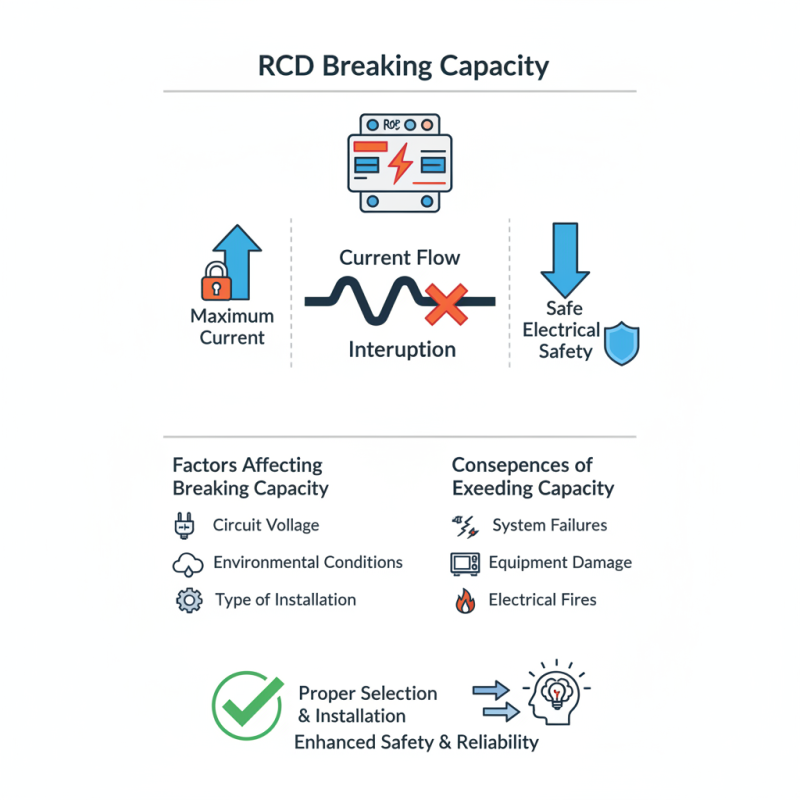
The Breaking Capacity Of Rcd (Residual Current Device) is a crucial aspect of electrical safety. It refers to the maximum current that an RCD can interrupt without failing. Understanding this capacity is vital for ensuring that electrical systems remain safe and operational under fault conditions. Choosing the right RCD involves recognizing its breaking capacity, which can be influenced by various factors including the type of installation and expected load.
When an RCD's breaking capacity is exceeded, danger may ensue. This can lead to system failures, equipment damage, or even electrical fires. Therefore, proper selection and installation are essential. Factors that affect breaking capacity include circuit voltage and environmental conditions. It is not uncommon for installers to overlook these details, leading to potential risks.
Inadequate understanding of the breaking capacity of RCD can result in serious safety issues. Knowledgeable professionals must assess each situation carefully. This involves considering both the technical specifications and real-life scenarios. Making informed choices ensures system reliability and enhances overall safety. Thus, recognizing the importance of breaking capacity cannot be overstated.
Understanding the Concept of Breaking Capacity in RCDs
Breaking capacity in Residual Current Devices (RCDs) is crucial. It refers to the device's ability to handle fault currents without failing. RCDs protect against electric shock and short circuits. Understanding their breaking capacity can save lives and prevent property damage.
When an RCD detects a leakage current, it must disconnect quickly. This action is vital during faults. If an RCD lacks sufficient breaking capacity, it risks becoming ineffective. Weak devices may not trip under heavy fault conditions. This can lead to dangerous situations.
Knowing how much current an RCD can interrupt is essential. It helps users select the right device for various applications. Industrial settings often require higher breaking capacities than residential ones. Ensuring the right choice prevents mishaps. Safety should always be a priority in electrical installations.
The Importance of RCDs in Electrical Safety
Residual Current Devices (RCDs) play a crucial role in electrical safety. These devices detect imbalances in electrical currents. They cut off power to prevent electrocution. RCDs are essential in both homes and workplaces. They respond to faults in just milliseconds. This quick action saves lives.
Installing RCDs can be complex. It's vital to have a qualified electrician perform the installation. Regular testing is necessary to ensure they function correctly. A faulty RCD can create a false sense of security. Users should check the test button monthly to ensure it trips.
Tips: Always educate yourself on the limitations of RCDs. They don’t protect against overcurrent or short circuits. Combining RCDs with circuit breakers can enhance safety. Always observe the manufacturer's guidelines for testing and maintenance.
Safety should never be taken lightly. RCDs are not a substitute for proper wiring and regular inspections. Understanding their role in your electrical system is essential for preventing accidents. Regular review of your installation can prevent potential hazards. Be proactive about your safety measures.
What is the Breaking Capacity of RCD and Why Does it Matter?
| RCD Type | Breaking Capacity (kA) | Sensitivity (mA) | Applications |
| Type AC | 6 kA | 30 mA | Domestic use |
| Type A | 10 kA | 30 mA | Commercial use |
| Type F | 25 kA | 30 mA | Ground fault protection |
| Type B | 50 kA | 30 mA | Industrial applications |
How Breaking Capacity Affects RCD Performance
The breaking capacity of a Residual Current Device (RCD) is vital for its performance. This capacity refers to the maximum fault current the RCD can interrupt without failing. When an electrical fault occurs, the RCD acts quickly. It must handle high current spikes efficiently to prevent damage. A low breaking capacity can lead to system failures or even fire hazards.
Understanding how breaking capacity affects performance is crucial for safety. If an RCD cannot handle the fault current, it may not trip. This delay can result in prolonged exposure to hazardous conditions. Users might assume their RCD is reliable. However, if the device is undersized for the application, it poses a risk. Regular testing and proper installation are essential.
It's equally important to choose the right RCD for specific applications. Electrical systems vary widely. An RCD selected for domestic use may not suffice in industrial settings. Many people overlook this while making decisions. Professionals should assess the entire system to ensure safety and reliability. Analyzing the breaking capacity can prevent potential failures and enhance security.
Breaking Capacity of RCD and Its Impact on Performance
The chart above illustrates the breaking capacity of various RCD types measured in kiloamperes (kA). Understanding the breaking capacity is crucial, as it determines the ability of the RCD to interrupt fault currents safely, ensuring better electrical safety and system reliability.
Factors Influencing the Breaking Capacity of RCDs
The breaking capacity of Residual Current Devices (RCDs) is crucial for ensuring safety in electrical systems. It defines the maximum fault current an RCD can interrupt without failure. If this capacity is exceeded, the device may not trip, potentially leading to severe electrical hazards. According to recent industry reports, a significant percentage of electrical faults occur due to inadequate RCD specifications.
Several factors influence the breaking capacity of RCDs. One primary aspect is the rated current of the device. Higher-rated RCDs can manage larger fault currents effectively. Environmental conditions, such as temperature and humidity, also affect performance. For instance, an RCD installed in damp conditions may require specific adaptations to maintain integrity. Studies show that up to 20% of installations fail in extreme conditions, prompting the need for rigorous testing.
Installation practices represent another critical factor. Incorrect wiring or poor connections can diminish an RCD’s effectiveness. It's essential for professionals to follow best practices during the installation process. Regular maintenance checks cannot be overlooked. Neglecting these practices can lead to diminishing performance over time. Ultimately, understanding these variables can enhance safety and reliability in any electrical system.
Applications of RCDs with Different Breaking Capacities
Residual Current Devices (RCDs) serve a crucial role in electrical safety. Their breaking capacity defines the maximum fault current an RCD can handle. This aspect determines how well an RCD can protect people and equipment.
Different applications require RCDs with specific breaking capacities. In residential settings, standard RCDs often suffice, handling lower fault currents. However, high-risk environments, such as construction sites, need units with higher capacities. These RCDs can manage sudden surges more effectively, reducing the risk of injury.
Despite their importance, not all installations use the correct RCDs. This oversight can lead to inadequate protection. Users must understand their environment and choose appropriately. An improperly selected RCD could fail during a fault, increasing the danger. Understanding the breaking capacity of RCDs is essential for ensuring safety in every application.