How to Choose the Best CNC Machining Center for Your Needs?
When selecting a Cnc Machining Center, the decision can be overwhelming. Many models exist, each with unique features and specifications. You must consider what fits your specific needs. The right CNC Machining Center can significantly impact your production efficiency and output quality.
Consider your operating environment and the materials you'll work with. A high-quality CNC Machining Center should handle a variety of tasks, but not all machines are equal. Some may excel in precision, while others excel in speed. Understanding these differences is crucial for making an informed choice.
Moreover, take the time to evaluate the manufacturer's reputation. Established brands offer reliability and technical support. However, newer brands may bring innovative features. Reflect on what balance you need. Prioritize factors that align with your production goals and available budget. The right CNC Machining Center is an investment that requires careful thought and research.
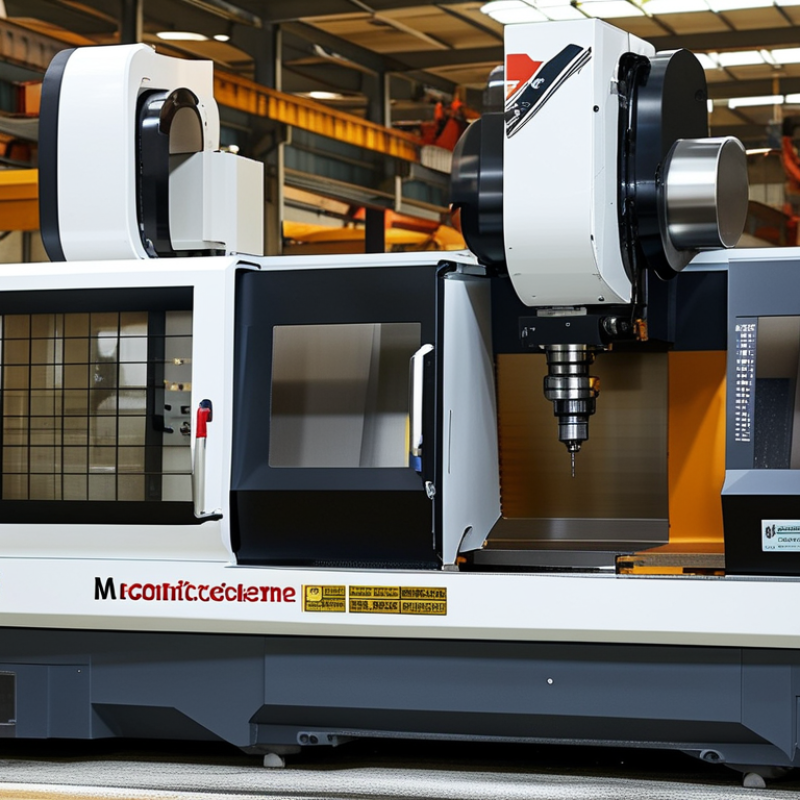
Understanding CNC Machining Centers: Types and Functions
CNC machining centers come in various types, each designed for specific functions. Vertical machining centers, for example, feature a vertical spindle and are effective for milling operations. They excel in tasks such as cutting and shaping materials, making them a popular choice for many manufacturers. Horizontal machining centers, on the other hand, provide increased stability and can handle larger workpieces. This design allows for more extensive milling capabilities and often leads to better surface finishes.
The choice of CNC machining center depends greatly on the intended applications. Some centers specialize in precision work, while others focus on speed and efficiency. Understanding these distinctions is crucial. For instance, if you require intricate designs, a high-speed machining center might be beneficial, but it may also lack the strength needed for tougher materials. Reflection on your specific needs is essential.
Each machine has its strengths and weaknesses, and assessing your typical projects can reveal much about what you truly require.
Key Factors to Consider When Choosing a CNC Machining Center
Choosing the right CNC machining center is crucial for successful manufacturing. Key factors influence this decision. Workpiece size is paramount. A machining center must accommodate the dimensions of the parts you intend to produce. Research indicates that 70% of manufacturers prioritize machine size to prevent workflow bottlenecks.
Another critical element is spindle speed. Higher speeds enable faster production times. Industry data shows that a 10% increase in spindle speed can reduce cycle times by up to 20%. This leads to enhanced productivity. Operators should also consider the tool change time; quicker tool changes reduce downtime and maximize efficiency. Standard tool change times can vary from 1 to 10 seconds, impacting your output significantly.
Complexity of operations can be a double-edged sword. While advanced features allow for intricate designs, they also come with a steep learning curve. Operators might struggle without adequate training. Moreover, reliability plays a key role; even high-tech machines can fail without proper maintenance. Research reveals that machines with a history of unreliability can lead to a 15% increase in overall production costs. Weigh the benefits and challenges before making a decision.
Evaluating Your Production Needs and Specifications
Choosing the right CNC machining center starts with understanding your production needs. Evaluate the materials you plan to work with. For example, aluminum requires different handling than titanium. Each material has specific cut speeds and feeds. According to industry data, machining titanium can slow production by up to 50%. This affects your efficiency and potential output.
Consider your component sizes and shapes. Larger parts need more robust machines, while intricate designs require precise controls and tooling. A report from the Manufacturing Technology Association shows that 70% of challenges are linked to machine capability. Selecting a center with the right specifications directly impacts quality and turnaround times.
Think about automation needs as well. Automation can reduce labor costs and improve consistency. However, it may increase initial investments. High degrees of customization may not always benefit from automation, leading to waste. Reflect on how much flexibility you need. Balancing immediate production goals with long-term strategy is key. The right CNC center should align with your unique requirements and future aspirations.
Budgeting for Your CNC Machining Center Purchase
When budgeting for your CNC machining center purchase, consider both immediate and long-term costs. It is essential to account for the machine's price, installation fees, and maintenance expenses. Misjudging these costs can lead to financial strain. Analyze your production demands to choose a suitable model that meets your needs without overpaying.
Tips: Research different financing options. Look for flexible payment plans that suit your cash flow. Pay attention to warranty terms as well. A solid warranty can save you money on repairs later.
Don't overlook the costs related to tooling and accessories. These expenses can accumulate quickly. Be realistic about what you need versus what you want. This approach can help avoid overspending on advanced features that may not be necessary for your tasks.
Remember that investing in quality often means a higher upfront cost, but this can lead to greater efficiency and fewer issues over time. Assess your priorities seriously to make a wise decision while staying within budget.
Maintenance and Support Options for CNC Machining Machines
When selecting a CNC machining center, maintenance and support options are crucial. A well-maintained machine enhances precision and extends its lifespan. Regular checks on coolant levels and tool wear can drastically influence output quality. Neglecting these aspects might lead to unexpected breakdowns, causing delays in production.
It's essential to evaluate the support services available. Some suppliers offer training and troubleshooting resources, ensuring your team can address minor issues promptly. However, not all manufacturers provide robust support. This disparity can impact your operations. A lack of reliable support may leave operators stuck during critical production phases. Be sure to assess the responsiveness of the customer service team before making a decision.
Additionally, consider the availability of spare parts. Delays in obtaining parts can severely disrupt workflows. Some machines have more accessible parts than others. This can be a deciding factor when choosing a CNC center. Regular maintenance and proper training are pillars of reliability. Investing in these areas will yield better performance over time.