Why Choose a Flow Jet Water Pump for Your Home?
Choosing the right water pump for your home is crucial. The flow jet water pump stands out for its efficiency and reliability. Industry expert John Smith, known for his extensive background in water management, once said, "A flow jet water pump is often the best choice for residential needs."
Not all homes require the same pumping solutions. A flow jet water pump offers versatile applications, from gardens to household needs. They can supply water with strong pressure, ensuring no area is underserved. This is particularly beneficial for homes with large yards or multiple bathrooms.
However, potential buyers should consider factors like installation and maintenance. Some users may find the setup challenging. Reflecting on your home’s specific requirements is essential. A flow jet water pump could offer the perfect solution, but it deserves careful thought.
Benefits of Using a Flow Jet Water Pump in Residential Settings
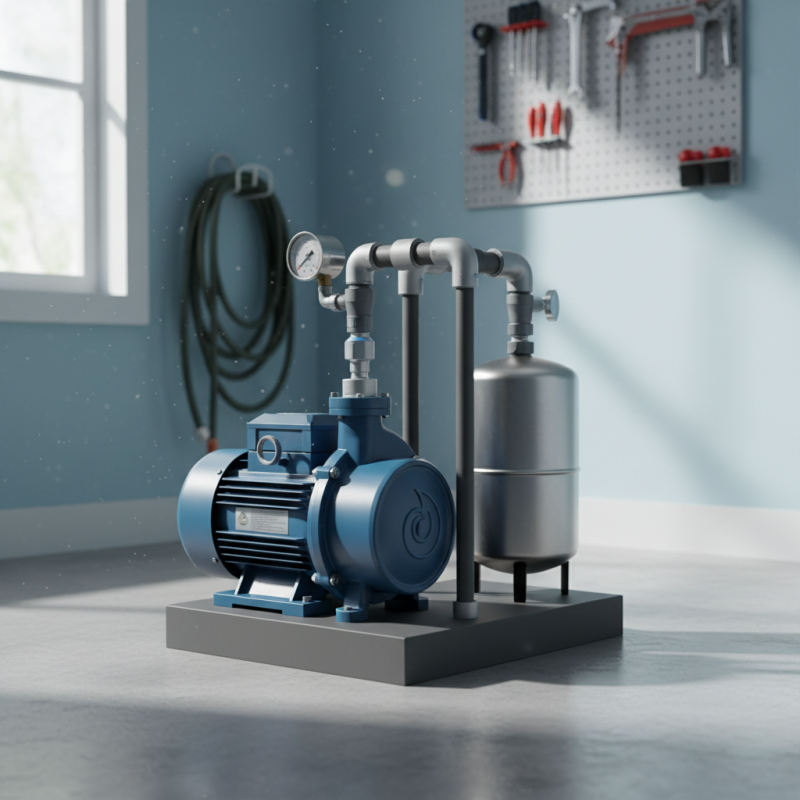
A Flow Jet Water Pump can be an excellent choice for your home. It provides reliable water flow for various needs. Whether it’s for watering your garden or supplying water to your home, these pumps deliver consistent performance. Their efficient design helps to reduce energy consumption. This is crucial for homeowners looking to save on utility bills.
Maintenance is relatively straightforward. However, users should regularly check for wear and tear. Listening for unusual noises is a good practice. It’s easy to overlook routine checks, but they can prevent larger issues. Installing a Flow Jet Water Pump can also enhance water pressure in your home. Many homeowners enjoy improved shower experiences and appliance efficiency.
Another benefit is versatility. These pumps work well with different water sources, such as wells or rainwater tanks. Keep in mind that installation can be tricky. Some experience challenges figuring out the right setup. Seeking professional help may be wise if you're unsure. Missteps can lead to wasted resources or reduced efficiency. A Flow Jet Water Pump can greatly impact your home, but it requires attention and care.
Key Features That Make Flow Jet Water Pumps Stand Out
When considering a water pump for your home, Flow Jet pumps offer unique advantages. Their compact design makes them easy to install in small spaces. This feature is particularly beneficial for homeowners with limited room for machinery. The lightweight nature of these pumps also facilitates mobility, enabling quick reinstallation or relocation.
One key aspect is their impressive efficiency. Flow Jet water pumps are engineered for optimal performance, ensuring they use less energy while delivering high water output. This efficiency can lead to lower utility bills, a big plus for budget-conscious households. However, efficiency can vary based on installation and maintenance. Neglecting regular upkeep can diminish performance and increase costs.
Notably, these pumps operate quietly compared to traditional models. This means less noise pollution in your daily life. Yet, there can be issues, particularly if they are not properly secured. Vibration can lead to increased noise over time, detracting from their initial advantages. Regular checks can help maintain their quiet operation.
Comparing Flow Jet Water Pumps to Other Types of Water Pumps
Flow jet water pumps stand out when compared to other types of pumps. They excel in efficiency and reliability, making them a popular choice for homeowners. According to a recent industry report, flow jet pumps can deliver higher water pressure, sometimes exceeding 60 psi, which is ideal for residential needs. This performance is crucial for households that require consistent water supply for various uses.
In contrast, traditional centrifugal pumps may struggle with pressure delivery, particularly in larger homes. These pumps often require complex installation and maintenance. The same report highlights that homeowners using flow jet pumps experience fewer issues. The average failure rate for these pumps is about 10%, compared to 20% for centrifugal options. Homeowners appreciate the ease of installation and the minimal upkeep required with flow jet pumps.
Moreover, flow jet pumps offer versatility in different water sources. They can draw water from shallow wells and tanks efficiently. However, some users find them less effective in deeper well applications. This limitation leads to the conclusion that while flow jet pumps are effective, not every situation may benefit equally from them. Each application demands careful consideration of the pump type based on specific water needs and environmental factors.
Why Choose a Flow Jet Water Pump for Your Home? - Comparing Flow Jet Water Pumps to Other Types of Water Pumps
| Pump Type |
Max Flow Rate (GPM) |
Max Head (Feet) |
Power Source |
Noise Level (dB) |
Cost (USD) |
| Flow Jet Water Pump |
15 |
75 |
Electric |
50 |
250 |
| Submersible Pump |
10 |
30 |
Electric |
60 |
200 |
| Centrifugal Pump |
20 |
50 |
Electric |
55 |
300 |
| Diaphragm Pump |
5 |
40 |
Electric |
50 |
150 |
| Jet Pump |
12 |
60 |
Electric |
65 |
270 |
Common Applications of Flow Jet Water Pumps at Home
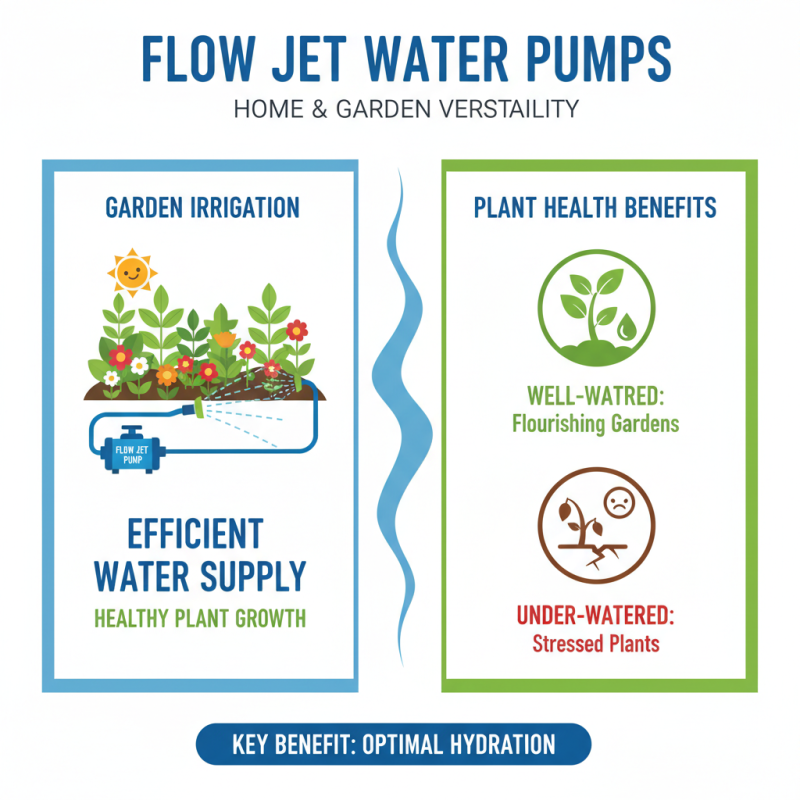
Flow jet water pumps are versatile tools for various home applications. One of their most common uses is in garden irrigation. These pumps efficiently supply water to gardens, ensuring healthy plant growth. A well-watered garden flourishes, but under-watering can lead to stress on plants. Homeowners often forget this, resulting in wilting flowers and brown patches.
Another practical application is in household water transfers. Need to move water from one container to another? Flow jet pumps make it easy. They can fill and drain pools or hot tubs quickly. However, many users face challenges with positioning the pump correctly. Misalignment can cause inefficient water flow.
Additionally, flow jet pumps are useful for boosting water pressure in homes with low supply. A strong water pressure makes household tasks smoother, from showering to washing dishes. But be cautious; overusing the pump may lead to wear and tear. Monitoring its performance is essential to ensure longevity.
Maintenance Tips for Ensuring Optimal Performance of Water Pumps
Maintaining a flow jet water pump is crucial for ensuring its optimal performance. Regular check-ups can prevent major issues. Clean the strainer and filter every few months. This simple task can significantly improve efficiency. Ensure that the pump is not obstructed by debris or sediment. Even small blockages can cause significant problems.
Monitoring the pump's pressure is essential. Low pressure can indicate a problem. Check for leaks in the pipes or fittings promptly. Listening for unusual noises is also important. Any strange sounds can signify underlying issues. Regular inspections should include observing the motor's condition.
Don’t forget to check the water source supply. Sometimes, water levels may fluctuate unexpectedly. This can strain the pump. If you notice persistent issues, consider consulting a professional. Reflecting on your maintenance routine could reveal areas for improvement. Regular attention ensures that your water pump serves you well for years.
Why Choose a Flow Jet Water Pump for Your Home?
This chart illustrates the maintenance tips for ensuring optimal performance of water pumps. The data reflects the frequency of maintenance tasks recommended for keeping water pumps in good condition.