How to Choose the Right Water Well Pressure Pump for Your Needs
Choosing the right water well pressure pump is an important decision that can significantly impact the efficiency and reliability of your water supply system. Whether you're filling a swimming pool, irrigating a garden, or supplying water to your home, the right pump ensures that you have consistent water pressure and flow. With a variety of options available on the market, understanding the specific needs of your application is essential for selecting the most suitable water well pressure pump.
When evaluating different pumps, consider factors such as the depth of your well, the desired flow rate, and the pump's power requirements. Additionally, it’s crucial to assess the materials and technology used in the pump’s construction, as these can affect durability and maintenance needs. This decision not only influences your immediate water supply but also impacts long-term operational costs and water quality. By taking the time to understand these elements, you can make an informed choice that meets your unique demands and enhances the overall performance of your water system.
Factors to Consider When Selecting a Water Well Pressure Pump
When selecting a water well pressure pump, several key factors should be taken into account to ensure you choose the right model for your needs. Firstly, consider the pump's capacity, which is measured in gallons per minute (GPM). The required flow rate depends on the number of outlets you will be using simultaneously, such as sinks, showers, and irrigation systems. It’s crucial to calculate your peak water usage to avoid underperformance during high-demand periods.
Another important consideration is the depth of your well and the water level. Different pumps are designed to operate at varying depths and with different lifting capabilities. Submersible pumps, for instance, are ideal for deep wells, while jet pumps are suitable for shallower ones. Additionally, pay attention to the pump’s efficiency ratings and energy consumption. An efficient pump will save you money in the long run by reducing energy costs. Lastly, think about the installation and maintenance requirements of the pump. Some models may require specialized tools or professional assistance for installation, while others are designed for more straightforward DIY setups. By carefully evaluating these factors, you can select a water well pressure pump that meets your specific needs effectively.
Comparison of Water Well Pressure Pump Types
This chart displays the average flow rates (in gallons per minute) of different types of water well pressure pumps. Understanding these flow rates can help you choose the right pump for your specific needs.
Types of Water Well Pressure Pumps and Their Applications
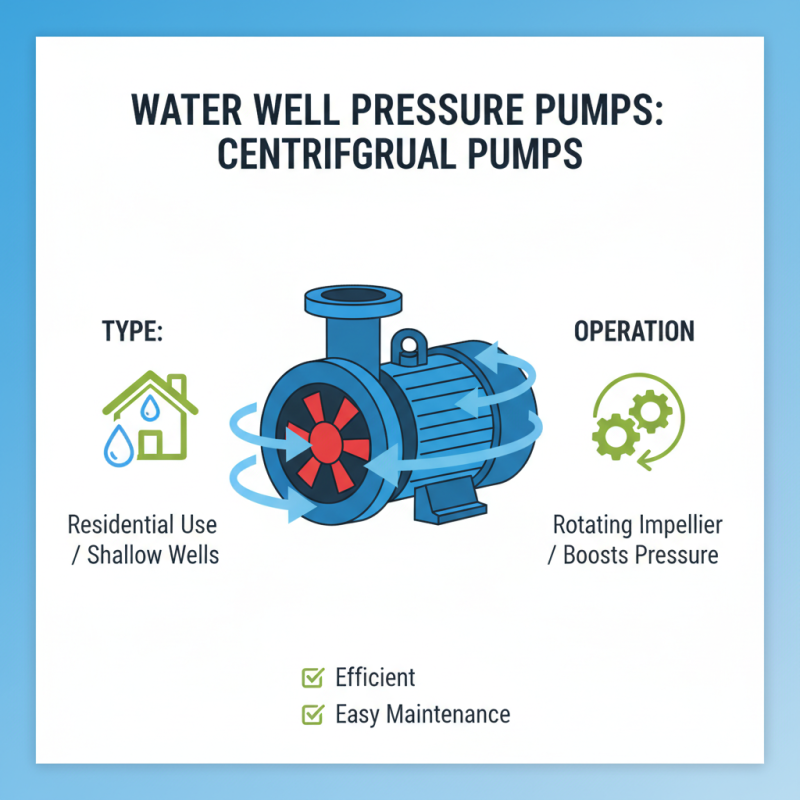
When selecting the appropriate water well pressure pump, it’s essential to understand the various types available and their applications. Centrifugal pumps are among the most common types used for residential settings. They operate by using a rotating impeller to increase water pressure, making them ideal for supplying water from shallow wells. These pumps are efficient and easy to maintain, making them a favorite among homeowners.
Another option is the submersible pump, which functions underwater and is typically used for deeper wells. This type of pump is encased in a waterproof housing, allowing it to operate more quietly and efficiently at greater depths compared to centrifugal pumps. Submersible pumps are excellent for providing a consistent water supply, particularly in areas where water levels fluctuate.
**Tips:** When choosing between these options, consider the depth of your well and the volume of water needed. Additionally, it's wise to assess the power source available to you; electric pumps are common but may not be practical in remote locations. Always consult with a professional to ensure you select the best pump for your specific requirements.
Understanding Pump Specifications and Performance Ratings
When selecting a water well pressure pump, understanding the pump specifications and performance ratings is crucial for ensuring you choose the right equipment for your needs. Key specifications to consider include the pump's flow rate, which is typically measured in gallons per minute (GPM). This rating indicates how much water the pump can deliver within a specific timeframe and is critical for determining whether the pump can meet your household or agricultural demands. Additionally, consider the total dynamic head (TDH), which measures the height water must be lifted, including factors such as elevation and friction loss in the piping system.
Performance ratings also play a significant role in the selection process. Most pumps come with a performance curve that illustrates their efficiency at different flow rates. It's essential to select a pump that operates well within the desired flow range you need without excessive energy consumption. Furthermore, look for ratings that indicate energy efficiency, as this can affect both operational costs and environmental impact over time. By carefully evaluating these specifications and performance ratings, you can make an informed decision that ensures optimal performance tailored to your water supply needs.
Evaluating Your Water Demand and Pressure Needs
When selecting the right water well pressure pump, it is essential to first evaluate your water demand and pressure needs. Understanding how much water your household or facility requires on a daily basis is crucial. This includes considering various factors such as the number of occupants, the types of water-consuming appliances and fixtures, and peak usage times. Calculating the gallons per minute (GPM) you need will help in determining the appropriate pump capacity. A household with high water demand, such as multiple bathrooms or irrigation systems, will require a pump that can deliver a higher GPM, ensuring sufficient pressure and flow during peak times.
In addition to determining your water demand, assessing your pressure needs is equally important. Water pressure is measured in pounds per square inch (PSI), and the required pressure can vary based on the system and its intended use. For example, domestic applications may require a pressure of around 40-60 PSI, while irrigation systems could need higher pressure for effective coverage. Evaluating the elevation and distance from the well to the point of use can also impact pressure needs. Ensuring that the selected pump can provide not only the necessary volume but also the correct pressure will lead to a reliable and efficient water supply.
How to Choose the Right Water Well Pressure Pump for Your Needs
| Pump Type |
Flow Rate (GPM) |
Max Pressure (PSI) |
Horsepower |
Ideal Depth |
| Submersible Pump |
5-25 |
40-60 |
0.5-2 |
Up to 300 ft |
| Jet Pump |
3-20 |
30-50 |
0.5-1.5 |
Up to 100 ft |
| Centrifugal Pump |
10-30 |
50-80 |
1-3 |
Varied |
| Diaphragm Pump |
2-15 |
20-40 |
0.25-1 |
Shallow wells |
Installation and Maintenance Tips for Longevity and Efficiency
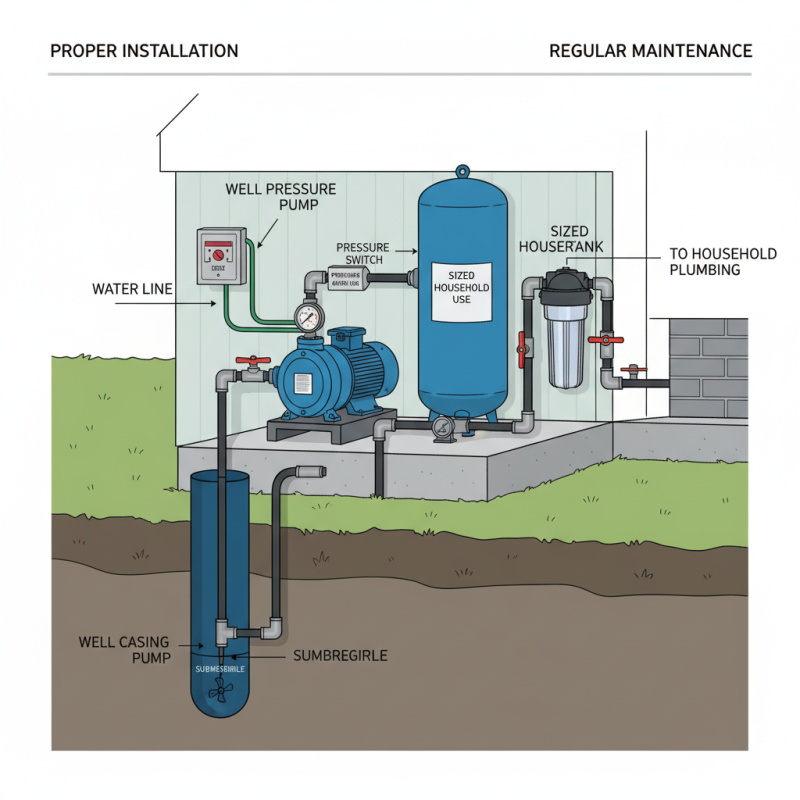
Proper installation and maintenance of your water well pressure pump are essential for ensuring its longevity and efficiency. When installing the pump, consider the specific requirements of your well, such as depth, yield, and water quality. Make sure to follow the manufacturer’s guidelines and local codes, as incorrect installation can lead to premature wear or failure. Pay close attention to the positioning of the pump, ensuring it is secured and elevated above potential flooding. Additionally, install a pressure tank that is correctly sized for your household needs, as this will help manage pressure fluctuations and extend the life of the pump.
Routine maintenance is key to keeping your water well pressure pump operating smoothly. Regularly check for signs of wear, such as leaks or unusual noises, and gather information on the pump's performance through pressure gauges. Flush out the system periodically to remove any sediment buildup that could impair functionality. Consider scheduling professional inspections at least once a year to address potential issues before they become significant problems. Additionally, maintain clear access to the pump for any necessary repairs or adjustments, and ensure that all components, including electrical connections and pressure settings, are in optimal condition for efficient operation.