
How to Choose the Best Flow Jet Pump in 2026
Choosing the best flow jet pump in 2026 starts with the job it must perform, not the biggest number on a product page. Define the required flow rate, total head, suction lift, and operating hours. Then compare those needs with the manufacturer’s pump curves. A pump that meets the target under ideal test conditions may deliver less in a real installation. Pipe length, fittings, water temperature, and inlet conditions all matter. Small details matter.
Also consider the liquid being pumped. Clean water and water containing grit place different demands on the nozzle, body, and seals. Check material compatibility, maintenance access, noise, power supply, and available service support. For systems with changing demand, ask whether the pump can operate efficiently across the expected range. Energy use over several seasons may outweigh a modest difference in purchase price. Numbers can mislead.
A careful choice balances performance, durability, and the conditions at your site. Confirm assumptions with the supplier, and request data for the exact model and configuration—not just a similar product family. If the application is unusual, a qualified pump engineer can review the duty point and installation plan. I would not treat any single rating as a guarantee; field conditions are rarely that tidy. This guide outlines the practical checks that help buyers compare options and choose a flow jet pump with confidence.
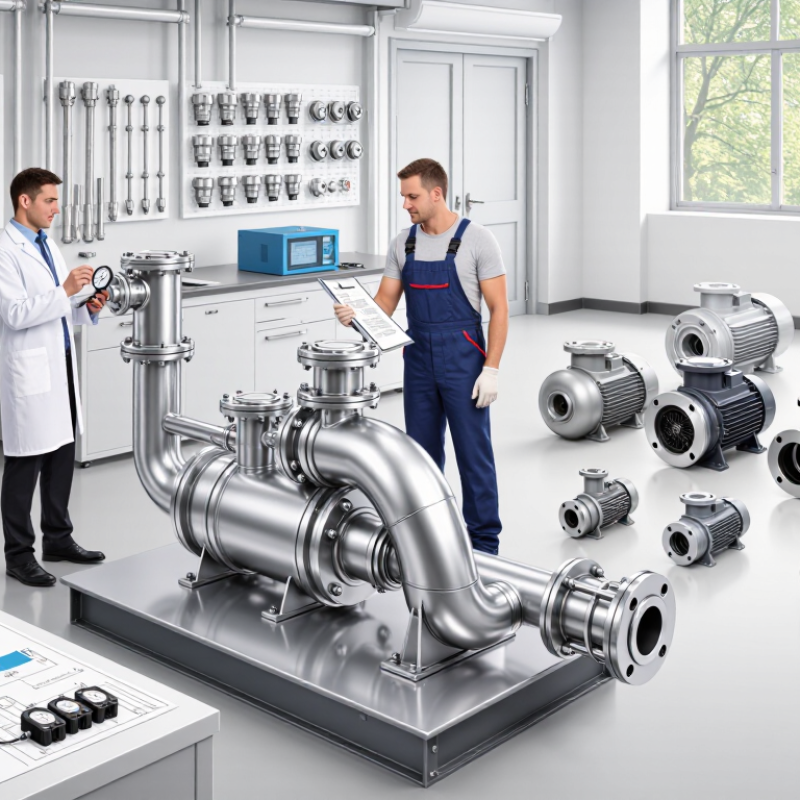
Understand How Flow Jet Pumps Work and Where They Are Used
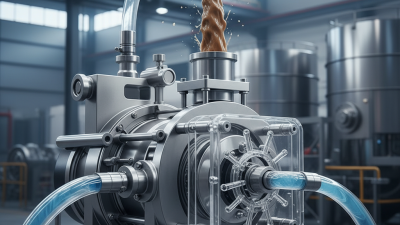
A flow jet pump moves water through a nozzle, creating a fast jet that lowers pressure and draws more water into the flow. A diffuser then slows the mixture and builds pressure for delivery. The mechanism is simple, but installation details matter. In shallow-well systems, the jet assembly is typically in the pump; deep-well arrangements place an ejector below ground. These pumps can serve homes with suitable wells, small water systems, and some tank-transfer setups. They need priming and a tight suction line. Even a small air leak can disrupt water delivery.
The U.S. Geological Survey’s 2015 water-use report estimated groundwater withdrawals at 82.3 billion gallons per day, about 25% of total U.S. freshwater withdrawals. That figure describes a major water source, not jet-pump sales or performance. The U.S. Department of Energy’s pumping-system sourcebook notes that pumping systems account for nearly 20% of global electricity demand. Correct sizing matters. Match the pump curve to required flow, total lift, and pressure, then allow for seasonal water-level changes. A unit selected only by horsepower may run inefficiently or fail to meet demand. A little caution helps. I would still verify the well’s tested yield and the manufacturer’s performance curve before choosing a model.
How to Choose the Best Flow Jet Pump in 2026 - Understand How Flow Jet Pumps Work and Where They Are Used
| Pump type | How it works | Common uses | Depth and installation guidance | Key selection checks |
|---|---|---|---|---|
| Shallow-well jet pump | A motor-driven impeller circulates water through a nozzle and venturi. The resulting high-velocity jet creates suction and draws well water into the pump. | Domestic water supply, small irrigation systems, and other applications drawing from a nearby well or cistern. | The pump is installed above the water source. Practical suction lift is commonly limited to about 25 ft (7.6 m); actual capacity depends on altitude, piping, and pump design. | Confirm the vertical lift from the pumping water level, required flow and pressure, suction-pipe diameter, and whether the pump can be primed and kept airtight. |
| Deep-well jet pump | A jet assembly (ejector) is placed down in the well. Pressurized drive water passes through its nozzle; the jet entrains well water, and the mixture returns to the surface. | Water supply from wells whose pumping water level is beyond the practical suction lift of a surface-only pump. | The ejector is installed below the water level. Maximum operating depth is model- and system-specific; check the pump curve and installation instructions rather than relying on a universal depth figure. | Match the ejector, pump, well diameter, water level, and pipe arrangement. Account for drive-water flow, total dynamic head, and the required delivery pressure. |
| Convertible jet-pump system | A surface pump can be configured with a shallow-well or deep-well ejector, depending on the system design. | Installations where well conditions may require different jet arrangements, or where a compatible configuration is needed for an existing system. | The applicable lift depends on the installed ejector and plumbing configuration. Conversion is only appropriate when the pump and ejector are designed to work together. | Verify compatibility, nozzle and venturi specifications, pipe connections, and the manufacturer’s performance curve for the chosen configuration. |
| Industrial liquid-jet ejector | A pressurized motive liquid flows through a nozzle and entrains another liquid or gas. A mixing section and diffuser convert part of the flow velocity into pressure. | Liquid transfer, gas removal, mixing, and other process duties where a simple ejector arrangement is suitable. | Installed in-line or as part of a process system; performance depends on motive-fluid conditions, suction pressure, and discharge backpressure. | Specify motive-fluid pressure and flow, entrained-fluid properties, required suction and discharge conditions, materials, and process compatibility. |
Selection note: Jet-pump capacity is not determined by pump type alone. Compare the pump curve with the required flow, total dynamic head, delivery pressure, and the water level while pumping. For well systems, also check well yield, pipe losses, priming requirements, and local electrical and plumbing requirements. Practical suction lift varies with site conditions; at sea level, atmospheric pressure sets a theoretical limit of roughly 34 ft (10.3 m) for water, while real systems must operate below that limit.
Related Posts
-
5 Essential Tips for Choosing the Right Surface Jet Pump for Your Needs
-
How to Choose the Best Flo Jet Pump for Your Needs?
-
What is a Surface Jet Pump and How Does It Work?
-
What is an Ultra Jet Pump and How Does it Work?
-
2026 Best Flo Jet Pump Options for Global Buyers?
-
Top 10 Flow Jet Pump Options for Global Buyers?