What is a Flow Jet Water Pump and How Does It Work?
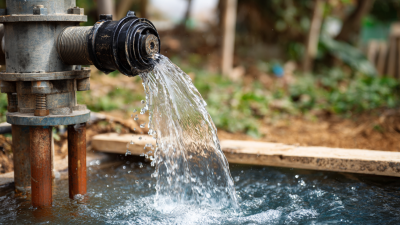
In recent years, the flow jet water pump has gained attention for its efficiency and versatility in various applications. This innovative technology works by utilizing high-pressure water jets to create a vacuum, drawing in additional water from a source. Experts like Dr. Emily Carter, a leading engineer in fluid dynamics, emphasize its significance, stating, “The flow jet water pump transforms how we think about pumping systems.”
The mechanism of a flow jet water pump is straightforward yet effective. It employs the Venturi effect, where water flows through a nozzle, increasing its speed and creating low pressure. This pressure differential allows the pump to draw in water from another source, making it suitable for irrigation, drainage, and industrial processes. Many users, however, overlook maintenance, which can lead to performance issues over time.
Challenges exist in understanding the complete dynamics of flow jet water pumps. Users often underestimate the importance of proper installation and regular checks. Without these considerations, efficiency decreases, leading to increased costs. As Dr. Carter explains, “Understanding the nuances of flow jet technology is crucial for optimal performance.” Thus, a deeper exploration into how flow jet water pumps work can pave the way for better utilization and reliability.
What is a Flow Jet Water Pump?
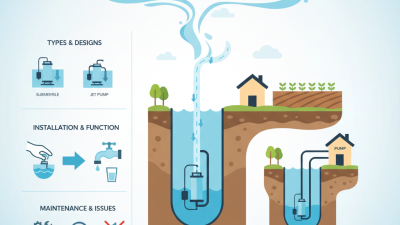
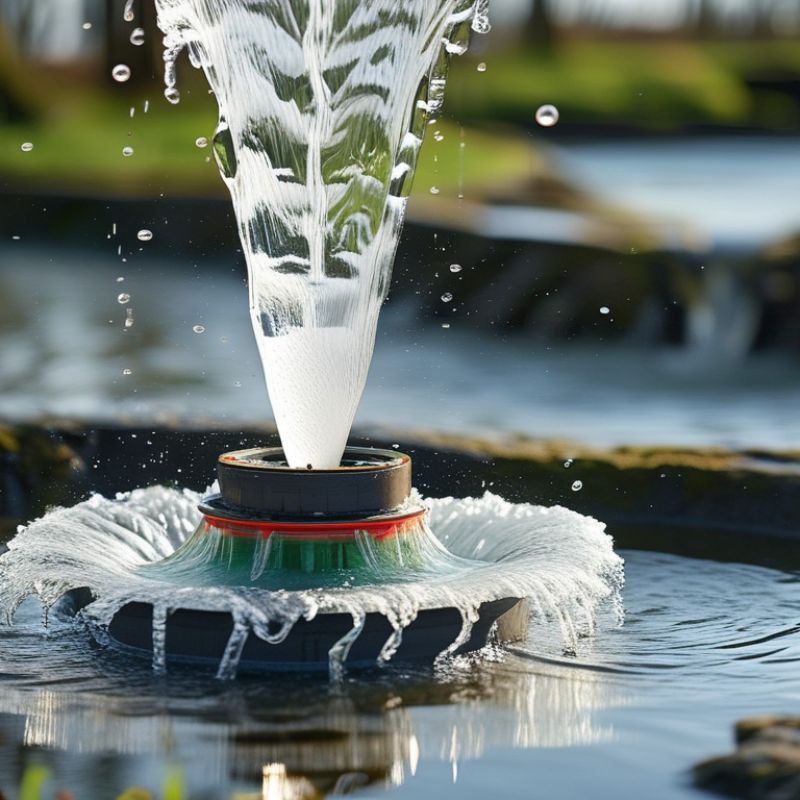
A Flow Jet Water Pump is a versatile tool widely used for various water transfer tasks. It operates using a jet system that efficiently moves water from one location to another. Unlike traditional pumps, the Flow Jet integrates an innovative design that enhances water flow. This makes it ideal for applications like irrigation, drainage, and even household water supply.
The pump functions by utilizing a motor-driven impeller. As the impeller spins, it creates a vacuum that draws water into the pump. The water is then forced through a nozzle, which increases its velocity. This process maintains a steady and powerful flow, ensuring efficient water movement. In certain situations, users might notice fluctuations in performance. This could be due to clogs or improper installation, which can impact reliability.
One interesting aspect is the ease of maintenance. Regular checks can prevent many common issues that users face. Still, it might be tempting to overlook minor adjustments. Identifying and addressing these can save time and improve functionality. Understanding the Flow Jet Water Pump and its workings is crucial for maximizing its potential in various settings. Users should pay attention to operational guidelines to ensure long-lasting performance.
Flow Jet Water Pump Performance Comparison
This bar chart compares the flow rates of different flow jet water pumps, showcasing their performance in gallons per minute (GPM). The data represents typical values for commonly used models.
Key Components of a Flow Jet Water Pump
A Flow Jet Water Pump is a versatile device used in various applications. Understanding its key components can help users appreciate its functionality better.
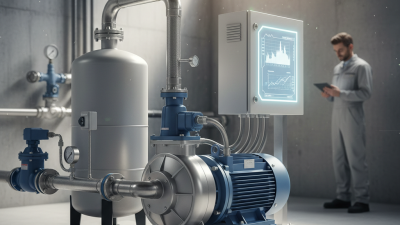
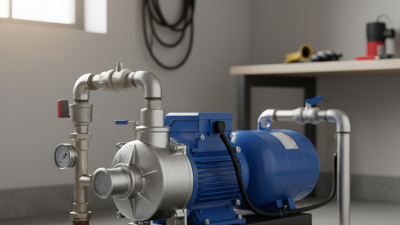
The heart of a Flow Jet Water Pump is the motor. It provides the necessary power to drive the pump. This motor usually operates on electricity, enabling efficient water movement. Connected to the motor is the impeller. The impeller plays a crucial role in drawing water into the pump and pushing it out at a higher pressure. The design influences both the flow rate and pressure produced.
Another vital component is the pressure switch. This device ensures that the pump turns on and off at the right times. It reacts to changes in water pressure. A malfunctioning pressure switch can cause water flow issues. Additionally, the pump may include a check valve, preventing backflow. This component safeguards the system from potential damage. Each part must work harmoniously. If one fails, the overall efficiency declines, prompting users to reflect on their maintenance habits. Overall, understanding these components leads to better usage and care.
How Flow Jet Water Pumps Operate
Flow Jet water pumps are designed for various applications, including gardening and irrigation. Understanding how these pumps operate is crucial for effective usage. The basic principle involves drawing water through an inlet and expelling it through an outlet with significant force.
The operation of a Flow Jet water pump relies on a motor that creates suction. As the motor runs, it spins an impeller. This action generates low pressure at the inlet. According to a 2023 industry report, these pumps can achieve flow rates of up to 10 gallons per minute (GPM). This makes them suitable for small-scale farming and domestic use.
However, the efficiency of Flow Jet pumps can vary. Factors such as the depth of water and the pump's design significantly impact performance. An overworked pump can lead to overheating. In some cases, users may overlook maintenance steps, which can further reduce efficiency. Regular inspection and routine care are essential for optimal operation. Keeping these elements in check ensures that the benefits of Flow Jet pumps are fully realized.
Common Applications of Flow Jet Water Pumps
Flow Jet water pumps are versatile devices used in a variety of settings. One common application is irrigation systems. They efficiently deliver water to agricultural fields, boosting crop yields. According to industry reports, these pumps can improve irrigation efficiency by up to 30%, which is crucial in regions facing water scarcity.
Another significant application is in residential settings. Homeowners use Flow Jet pumps for garden watering and swimming pool filling. The convenience and reliability of these pumps are essential for maintaining these outdoor spaces. A recent survey indicated that nearly 60% of homeowners prefer these pumps for their quiet operation and energy efficiency.
Flow Jet pumps also find use in construction. They provide a reliable water source for concrete mixing and dust control. However, it's worth noting that while these pumps are effective, improper usage can lead to inefficiencies. For instance, selecting the wrong pump size can result in inadequate water pressure. Thus, careful consideration is essential for optimal performance.
Maintenance Tips for Flow Jet Water Pumps
Flow Jet water pumps are essential for many water management needs, from irrigation to residential water supply. To prolong their life and efficiency, regular maintenance is crucial. Proper care prevents breakdowns and ensures reliable operation.
One tip is to check the pump’s strainer regularly. A clogged strainer can reduce water flow and efficiency. Clean it often to avoid pump stress. Additionally, inspect hoses and connections for leaks or wear. Addressing small issues quickly can prevent larger, costly repairs down the line.
Changing the oil in the pump is another good practice. Regular oil changes keep the motor running smoothly. It’s also wise to listen for unusual noises. Any strange sounds might indicate underlying problems. Keeping an ear out can save time and money. By following these tips, you can enhance your Flow Jet water pump’s performance and reliability.