Top Guides for Choosing the Best Well Pump for Your Home
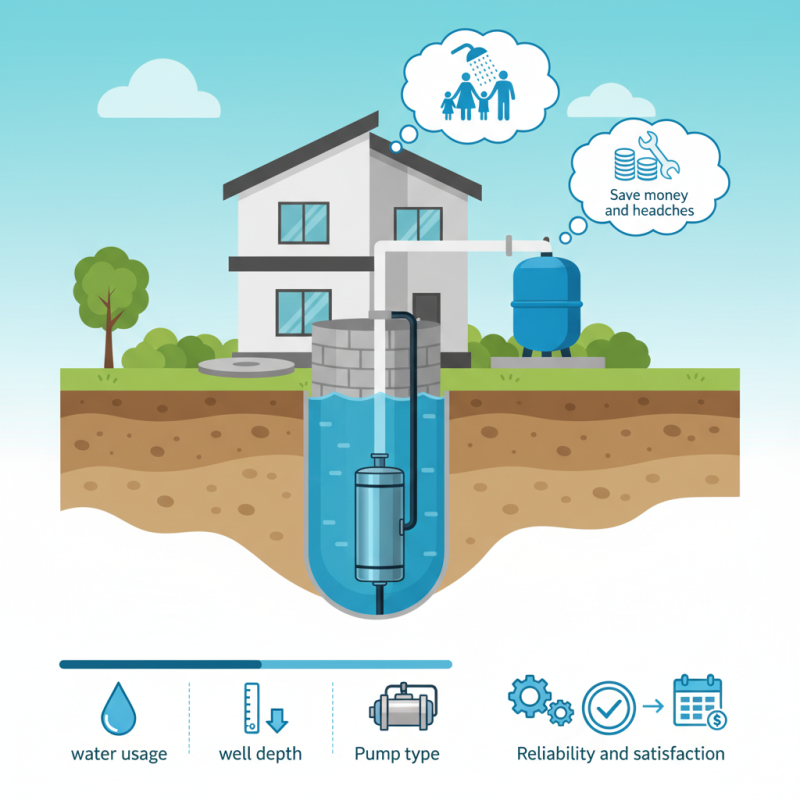
When selecting the best well pump for your home, expert advice can make a significant difference. John Thompson, a well pump specialist at Home Water Solutions, once stated, "Choosing the right well pump can save you money and headaches." His insight highlights the importance of making an informed decision.
Homeowners often overlook vital aspects when choosing a well pump. They may rush through the selection process or rely on unreliable sources. Understanding the specific needs of your household can lead to a more appropriate choice. Factors like water usage, depth of the well, and pump type play crucial roles.
Investing time in this decision pays off. The wrong well pump can lead to inefficiencies and extra expenses. A good well pump will ensure consistent water supply and reduce maintenance costs. Ultimately, the aim is to ensure reliability and satisfaction.
Understanding Well Pump Types: Submersible vs. Jet Pumps
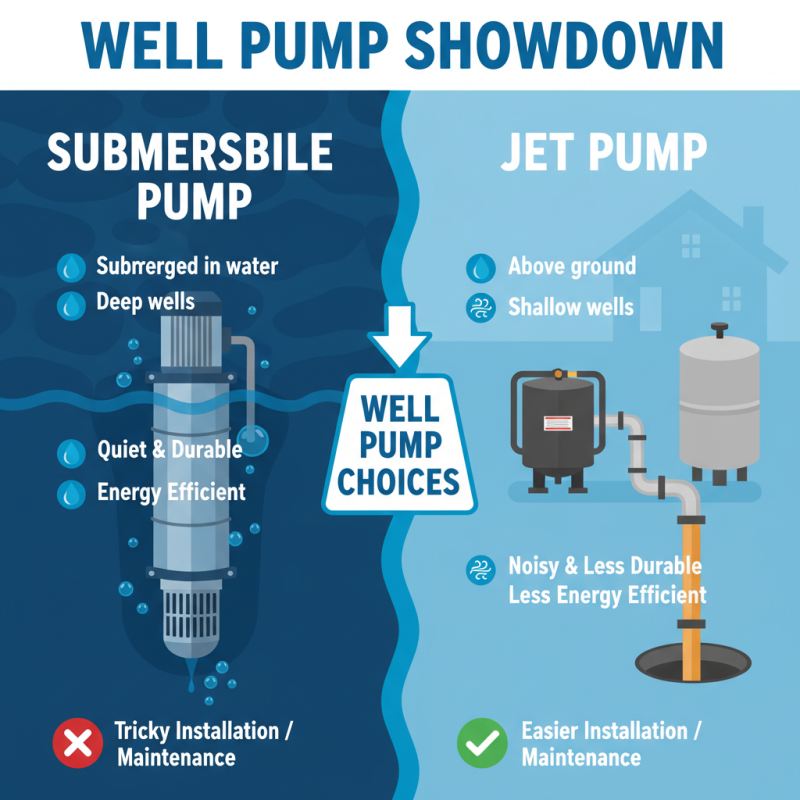
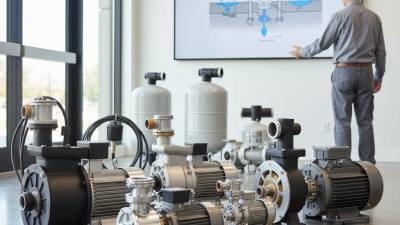
When choosing a well pump, it's essential to understand the difference between submersible and jet pumps. A submersible pump is designed to be submerged underwater. It is efficient and can move water from deep wells. These pumps are usually quieter, and they tend to be more durable. They also require less energy to operate, making them cost-effective in the long run. However, installation can be tricky, and maintenance might require pulling the pump out of the well.
On the other hand, jet pumps are typically installed above ground. They draw water from a well using suction. This type of pump is easier to install and maintain than a submersible pump. Yet, jet pumps can be less efficient for deeper wells. They may struggle to pull water from depths beyond 25 feet. This can lead to reduced water pressure. Some jet pumps rely heavily on pressure switches, which can wear out over time. It's crucial to weigh these factors before making a decision.
Key Factors to Consider: Depth, Flow Rate, and Horsepower
Choosing the right well pump involves understanding crucial factors like depth, flow rate, and horsepower. The depth of your well directly impacts the type of pump you need. For instance, shallow wells may require submersible pumps with lower horsepower, while deep wells often need pumps with greater power. According to the Water Systems Council, about 15% of U.S. households rely on well water, making depth a critical consideration.
Flow rate is another key factor. It determines how much water you can access per minute. A standard flow rate for residential use is around 5-25 gallons per minute (GPM). If your household needs exceed this, you might face shortages during peak usage times. It's important to know your flow requirements. Some homes, especially those with irrigation or multiple bathrooms, may require higher rates. Reflecting on current usage can help identify potential gaps in supply.
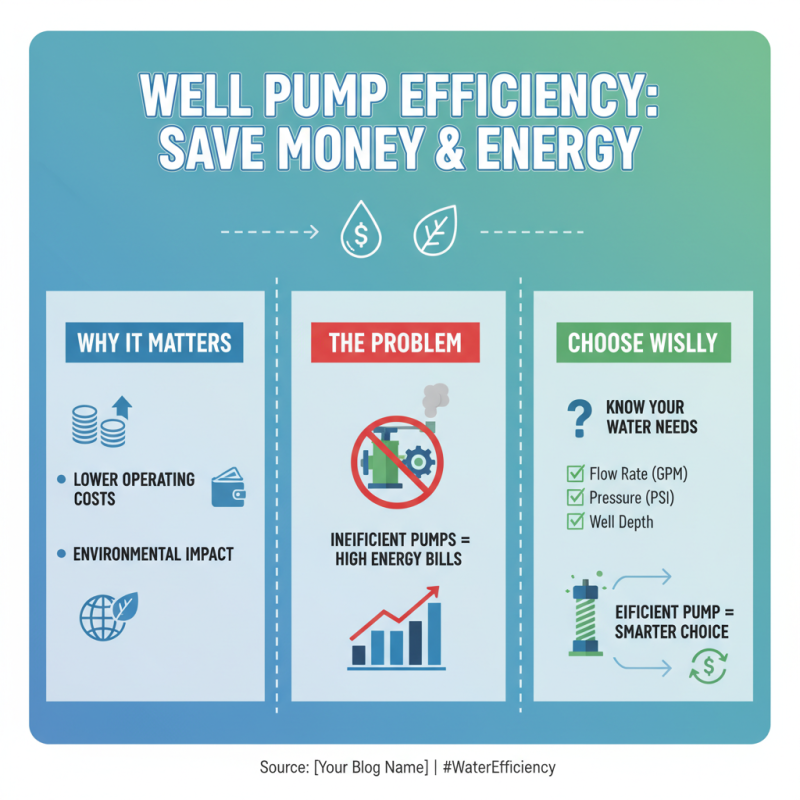
Horsepower is also vital. Most residential well pumps range from 0.5 to 2.0 HP. Selecting the right horsepower improves efficiency. Oversized pumps can waste energy, while undersized models may struggle, leading to breakdowns. Balancing these elements isn't always simple. Relying solely on manufacturer data can lead to poor choices. It's worth consulting with experts or diving into local water reports for accurate assessments.
Assessing Installation Requirements: Professional vs. DIY Setup
Installing a well pump is a significant decision for homeowners. It often comes down to whether to hire a professional or tackle the job yourself. According to a study by the National Ground Water Association, nearly 60% of homeowners opt for professional installation. They cite the complexities involved in the setup, such as electrical connections and plumbing requirements.
Still, DIY setups can save money. However, they demand a solid understanding of local regulations and safety standards. It’s critical to assess your ability to handle these challenges. The Environmental Protection Agency warns that improper installation can lead to contamination risks. Balancing cost savings and safety is key.
Homeowners should also consider their experience level. An inexperienced installer might face issues, like improper sizing or placement. In fact, nearly 30% of DIY installations lead to problems within the first year. Awareness of common pitfalls is vital. Recognizing your limits can help avoid costly mistakes down the line, benefiting both your finances and the functionality of your system.
Maintenance Tips for Longevity: Proactive Care for Your Well Pump
When it comes to maintaining your wells pump, proactive care is key for longevity. Regular checks can help prevent larger issues. Start with the power supply; ensure it’s consistently working. It’s essential to listen for unusual noises, like rattling or humming. These sounds may indicate internal problems. Ignoring them can lead to costly repairs later.
Water quality directly impacts your pump’s lifespan. Test the water periodically for contaminants. Sediment buildup can clog filters and reduce efficiency. Change the filters routinely to avoid performance drops. If your water has a foul smell or discoloration, seek assistance. These signs might indicate underlying issues needing immediate attention.
Regular maintenance may seem tedious, but it pays off. Documenting service dates and water tests helps track the pump’s health. If you notice sudden changes in water pressure, it’s time for a closer examination. A well-maintained pump will serve you reliably, but neglect can bring frustration. Be proactive. Your pump’s health reflects your commitment to home care.