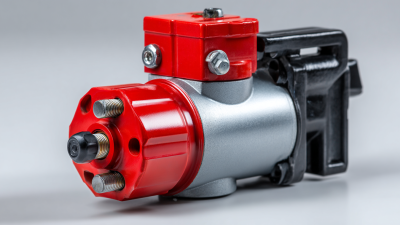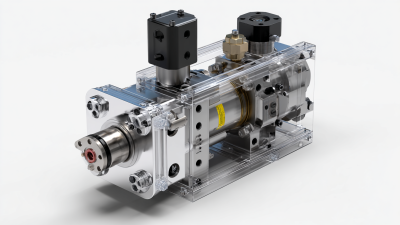
A hydraulic fluid pump is a vital component in many machinery and systems. Its primary role is to convert mechanical energy into hydraulic energy, using pressurized fluid to perform work. This process is fundamental in various industries, including manufacturing, construction, and automotive. Understanding the intricacies of hydraulic fluid pumps is essential for professionals working with these systems.
Hydraulic systems rely on the hydraulic fluid pump to generate the necessary pressure for operations, such as lifting heavy loads or powering machinery. The efficiency of these pumps can vary based on design and usage. Some may find that certain pumps are not ideal for specific applications, leading to inefficiencies. Moreover, regular maintenance is crucial; neglecting it can result in performance issues or pump failure.
Investigating the working mechanism of a hydraulic fluid pump reveals fascinating details. These pumps often use gears, pistons, or vanes to move hydraulic fluid. Each type has its unique advantages and disadvantages that professionals must evaluate. Knowledge of these factors enhances reliability in various applications, ensuring optimal performance and longevity. Understanding these nuances can make a significant difference in an operator’s experience with hydraulic systems.
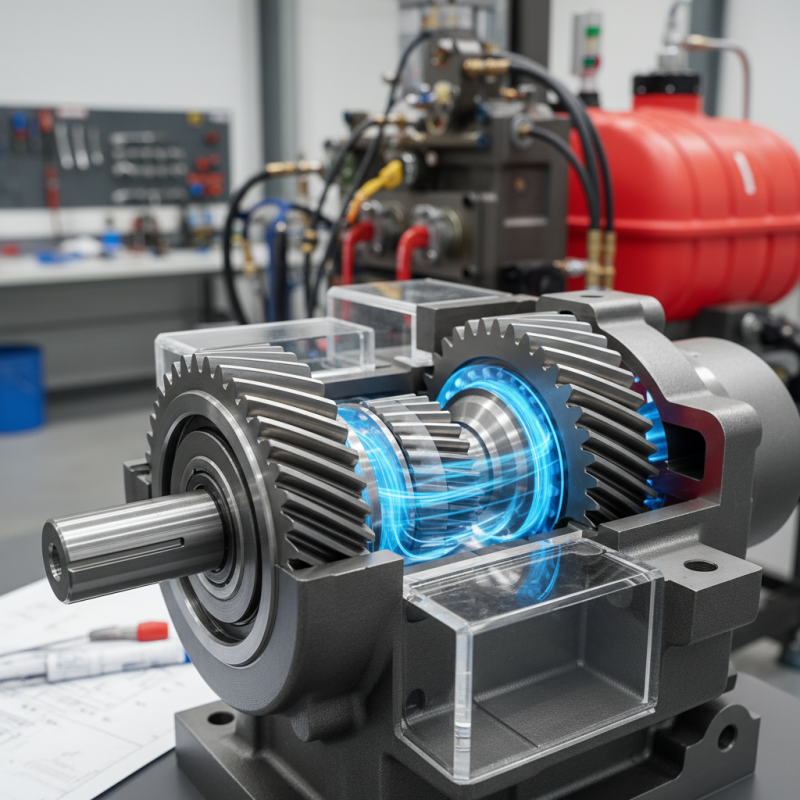
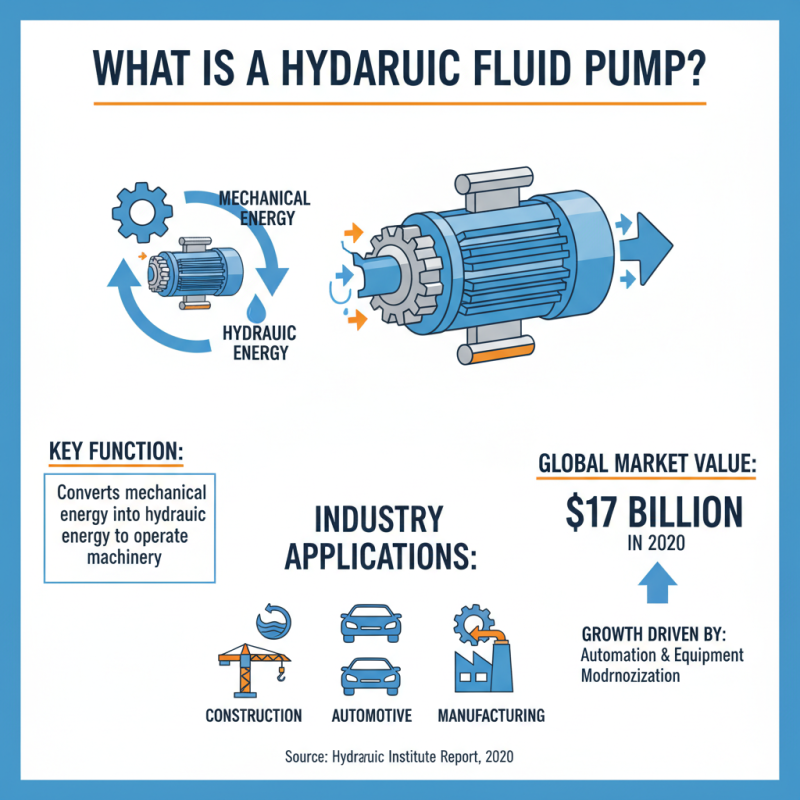
A hydraulic fluid pump is a key component in hydraulic systems. It converts mechanical energy into hydraulic energy, enabling various machinery to operate efficiently. These pumps are widely used in industries, including construction, automotive, and manufacturing. According to a report by the Hydraulic Institute, the hydraulic pump industry was valued at approximately $17 billion in 2020, with a significant growth forecast driven by increasing automation and equipment modernization.
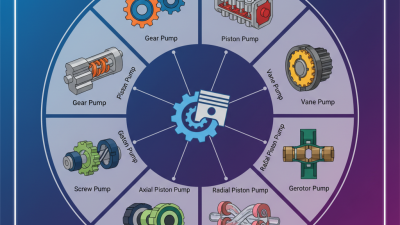
Hydraulic fluid pumps come in various types, including gear pumps, piston pumps, and vane pumps. Each type serves different applications based on pressure and flow requirements. For example, gear pumps are known for their durability and simple design, making them suitable for low-viscosity fluids. A study from Research and Markets highlighted that the demand for gear pumps is expected to grow due to their extensive usage in compact hydraulic systems.
While hydraulic fluid pumps are efficient, they are not without challenges. Issues like cavitation, leakage, and contamination can affect performance. Maintenance is crucial but often overlooked, leading to unexpected downtimes. An industry survey indicated that nearly 30% of hydraulic system failures are linked to pump-related problems. This underscores the importance of regular inspections and proper fluid management to ensure optimal functionality.
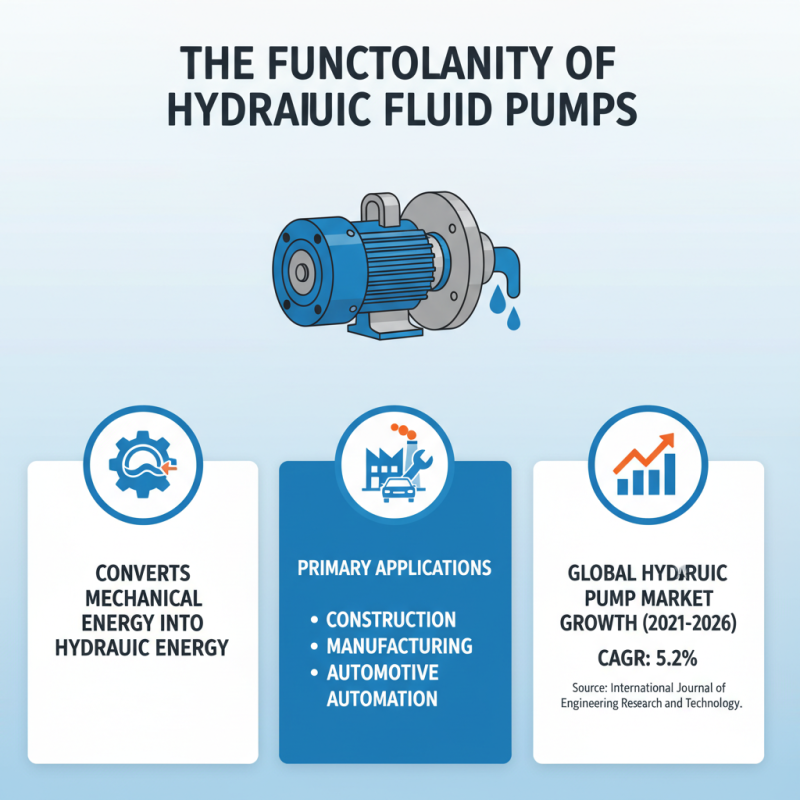
Hydraulic fluid pumps play a crucial role in hydraulic systems, enabling machinery to operate smoothly. Their primary function is to convert mechanical energy into hydraulic energy. In many industries, hydraulic systems are used for automated processes, including construction, manufacturing, and automotive applications. According to a report by the International Journal of Engineering Research and Technology, the global hydraulic pump market is expected to grow at a CAGR of 5.2% from 2021 to 2026, highlighting increasing reliance on hydraulic technologies.
These pumps are designed to move fluids (liquids) through a system, applying pressure to perform work. They can be classified into various types, including gear pumps, piston pumps, and vane pumps. The efficiency of a hydraulic fluid pump is vital; typically, these pumps operate at around 85% efficiency. However, many systems experience losses due to leaks or heat, suggesting a need for regular maintenance. A report from the Hydraulic Institute indicates that poor maintenance can lead to efficiency drops of up to 30% in hydraulic systems.
Despite advancements in pump technology, challenges remain. For instance, fluid selection is critical. The wrong hydraulic fluid can cause wear, leading to decreased performance. Users must be vigilant and educate themselves about fluid properties. Therefore, understanding the functionality and operational parameters of hydraulic fluid pumps is essential for maximizing their applications.
Hydraulic fluid pumps play a crucial role in various industries. They convert mechanical energy into hydraulic energy, enabling machines to perform heavy work. Understanding the types of hydraulic fluid pumps can help in selecting the right one for specific applications.
Gear pumps are among the most common types. They are reliable and relatively simple in design. These pumps work by using interlocking gears to move fluid. They create consistent flow rates, making them ideal for applications in construction and manufacturing. However, they may struggle with high-viscosity fluids.
Vane pumps are another type. They are known for their versatility and efficiency. Vane pumps adjust to variations in flow and pressure, which can be beneficial in many situations. Yet, they may not perform well under extreme conditions. Piston pumps offer high pressure and efficiency, especially in mobile equipment. They are powerful but can be more complex and costly.
Choosing the right pump type depends on the specific requirements of the task. An understanding of each pump's strengths and weaknesses is essential for optimal performance in hydraulic systems. This knowledge can guide users in making informed decisions.
| Pump Type | Operation Principle | Applications | Advantages | Disadvantages |
|---|---|---|---|---|
| Gear Pump | Uses gears to pump fluid by displacement. | Excavators, forklifts, and hydraulic presses. | Simple design, good for high-viscosity fluids. | Limited efficiency at higher speeds. |
| Piston Pump | Uses pistons to create a pumping action with high pressure. | High-pressure hydraulic systems, industrial applications. | High efficiency and pressure capabilities. | More complex and expensive. |
| Vane Pump | Uses vanes that slide in and out of a rotor to pump fluid. | Construction equipment, automotive applications. | Smooth and steady flow, less noise. | Lower pressure capabilities compared to piston pumps. |
| diaphragm Pump | Uses a diaphragm to pump fluid through mechanical movement. | Chemical processing, food and beverage industry. | Can pump corrosive fluids, less maintenance. | Not suitable for high-pressure applications. |
A hydraulic fluid pump plays a vital role in various machinery and equipment. Understanding its key components is essential for effective operation. The primary parts include the pump housing, pistons, and valves. Each of these elements has a specific function that contributes to fluid movement.
The pump housing contains the hydraulic fluid and creates a sealed environment for the components to work efficiently. Inside the housing, pistons move back and forth, transferring mechanical energy into hydraulic energy. These pistons are carefully designed to minimize wear and tear, though they can still suffer from leaks over time. Valves control fluid flow direction, ensuring that the system operates smoothly.
Maintenance of these components is crucial. A worn-out piston can lead to decreased efficiency and increased operational costs. It’s also essential to regularly check for any damage in the housing. Over time, even minor imperfections can result in significant performance issues. Understanding these details can help operators make informed decisions regarding servicing and repairs.
Hydraulic fluid pumps play a critical role in machinery and systems requiring hydraulic power. Regular maintenance is essential for optimal operation. Start by checking the fluid levels frequently. Low fluid can cause overheating and pump damage. Contaminated fluid can lead to serious issues. Change the fluid as per the manufacturer's recommendations.
Listen for unusual noises. Grinding or whining sounds may indicate wear or misalignment. Inspect connections for leaks. Even minor leaks can escalate into larger problems. A simple tightening may resolve some issues. However, persistent leaks might require a detailed inspection of seals and fittings.
Understanding common troubleshooting techniques is also beneficial. If the pump fails to start, check power sources and fuses. Ensure that control systems are functioning. Inconsistent pressure could signify a damaged component. Testing each part systematically can help isolate the issue. Remember, neglecting these signs can result in costly repairs. Being proactive with maintenance and troubleshooting strengthens your hydraulic system's reliability and longevity.