What is a Hydraulic Fluid Pump and How Does it Work?
Hydraulic fluid pumps play a crucial role in various industries, from manufacturing to aerospace. According to a recent market report by Research and Markets, the global hydraulic equipment market is projected to reach $50 billion by 2025. This growth highlights the importance of hydraulic systems and, specifically, hydraulic fluid pumps in facilitating essential functions across sectors.
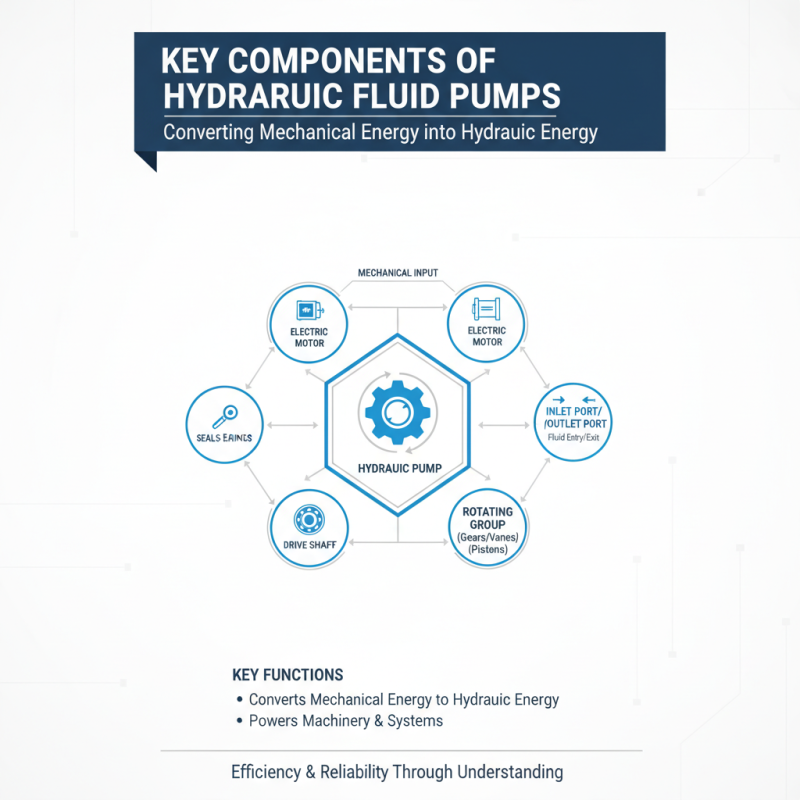
These pumps convert mechanical energy into hydraulic energy, allowing fluid to flow and perform work. Understanding their design and operation is vital for engineers and technicians. However, many users overlook the maintenance of hydraulic fluid pumps, which can lead to failures and costly downtime. A lack of regular inspections often results in reduced efficiency and performance issues.
Despite their robust design, hydraulic fluid pumps have limitations. Operating conditions can affect their lifespan. Proper knowledge of these aspects is essential for maximizing output and ensuring safety. As industries continue to evolve, understanding the role and functioning of hydraulic fluid pumps becomes even more significant.
What is a Hydraulic Fluid Pump?
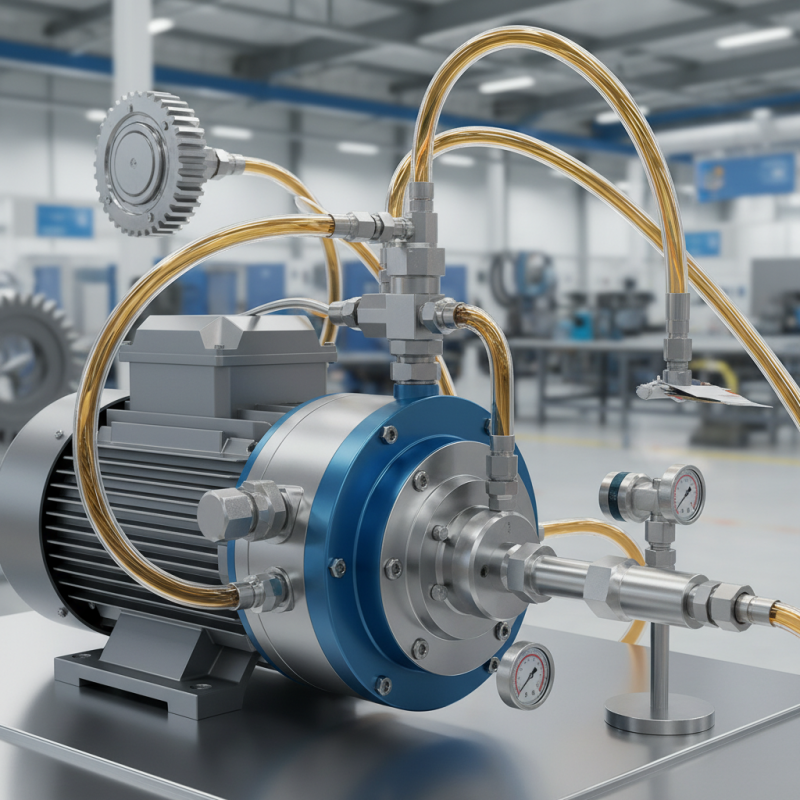
A hydraulic fluid pump is an essential component in hydraulic systems. It transforms mechanical energy into hydraulic energy. This process relies on the movement of hydraulic fluid, which transmits force. Hydraulic fluid pumps find applications across industries, including manufacturing, construction, and transportation.
According to the Hydraulic Institute, nearly 75% of all industrial machinery uses hydraulic systems. These pumps are pivotal for operating heavy equipment, like excavators and forklifts. A common type is the gear pump, known for its straightforward design and reliable performance. It utilizes two gears to create a flow of hydraulic fluid, making it efficient in compact spaces.
Despite their effectiveness, hydraulic fluid pumps can face challenges. Issues like cavitation or leakage can disrupt their operation. Regular maintenance is essential to mitigate these risks. Hydraulics are powerful, but they require precise engineering to avoid failures. The performance of these systems can vary based on the quality of the fluid used and the pump's design. This complexity highlights the importance of expertise in hydraulic engineering and system design.
Types of Hydraulic Fluid Pumps and Their Applications
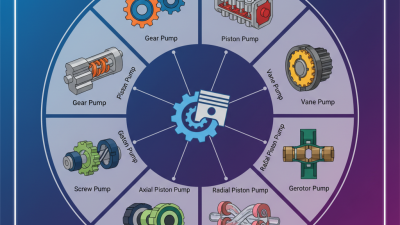
Hydraulic fluid pumps are essential components in various industries. They function by converting mechanical energy into hydraulic energy, primarily used to transmit power. There are several types of hydraulic pumps, each suitable for different applications.
Gear pumps are one common type. They use gears to move fluid and are known for their simplicity and reliability. These pumps excel in low to medium pressure applications.
Vane pumps are another variety, providing a smooth flow of fluid. They are often used in systems requiring relatively high flow rates.
Lastly, piston pumps are designed for high-pressure operations. These pumps are ideal for applications that demand significant force, such as construction machinery.
Selecting the right pump is crucial. Simply choosing a pump type without understanding the system's needs can lead to inefficiencies. Errors can occur if the wrong specifications are applied. Regular maintenance is necessary, as even minor malfunctions can affect performance. Recognizing these factors can ensure effective operation and extend the lifespan of hydraulic systems.
Principles of Operation for Hydraulic Fluid Pumps
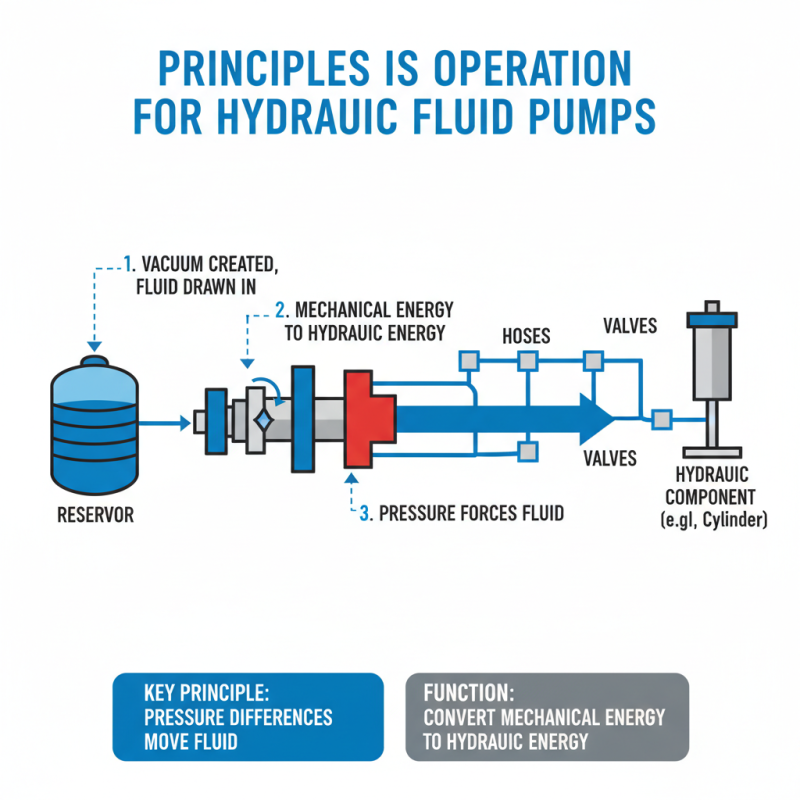
Hydraulic fluid pumps play a crucial role in a variety of machinery, operating on fundamental principles that govern their function. These pumps convert mechanical energy into hydraulic energy by moving fluid through a system. The principle of operation lies in using pressure differences to facilitate fluid movement. When the pump is activated, it creates a vacuum that draws hydraulic fluid from the reservoir. The pressure then forces the fluid through hoses and valves, powering various hydraulic components.
TIPS: Always check fluid levels regularly. Low fluid can cause pump failure.
The efficiency of a hydraulic pump is highly dependent on its design and maintenance. Factors such as the type of fluid, pump size, and the cleanliness of components affect performance. Regular inspection of seals and hoses can prevent leaks, which often indicate wear or damage. Operators should consider these factors to ensure optimal pump operation.
TIPS: Clean the system regularly. Contaminants can damage sensitive components.
Understanding how hydraulic fluid pumps work helps in troubleshooting issues. Many problems arise from improper maintenance or using the wrong fluids. Being aware of these factors can save time and costs. Reflecting on your pump's operation can lead to better performance and reliability in hydraulic systems.
Common Issues and Maintenance of Hydraulic Fluid Pumps
Hydraulic fluid pumps play a crucial role in various machinery. Like any mechanical component, they can encounter issues that affect performance. Regular maintenance is vital to prolong their lifespan. Common problems include leaks, unusual noises, and inconsistent pressure.
To address leaks, check the connections and seals regularly. If you notice fluid buildup around the pump, it signals an issue. Unusual noises may indicate wear within the pump. A thorough inspection can reveal if parts need lubrication or replacement. Consistent pressure levels are essential for smooth operation. Fluctuations can highlight air in the system or filter blockages.
Tips: Regularly check fluid levels. Low fluid can lead to overheating. Clean filters and lines to ensure a steady flow. Keep the area around the pump clean. Dirt can enter through small openings, causing wear. If you experience frequent problems, it might be time for a professional assessment. A proactive approach saves time and money in the long run.
What is a Hydraulic Fluid Pump and How Does it Work? - Common Issues and Maintenance of Hydraulic Fluid Pumps
| Dimension |
Description |
Common Issues |
Maintenance Tips |
| Type |
Gear, Piston, Vane |
Leaking, Overheating |
Regularly check seals |
| Operating Pressure |
500 - 5000 psi |
Pressure spikes |
Monitor pressure gauges |
| Fluid Used |
Mineral Oil, Water-based fluids |
Contaminated fluid |
Use filters and regular fluid changes |
| Temperature Range |
-20°C to 80°C |
Cavitation |
Ensure proper cooling |
| Lifespan |
5-10 years |
Increased noise, vibrations |
Schedule regular maintenance |