Maximize Oilfield Jet Pump Efficiency with These 7 Essential Tips and Industry Insights
In the ever-evolving landscape of the oil and gas industry, maximizing the efficiency of oilfield jet pumps has become a critical focus for operators looking to enhance production and reduce costs. According to a recent report by the International Energy Agency (IEA), effective utilization of jet pump technology can lead to up to a 30% increase in overall oil recovery rates. This potential gain underscores the importance of adhering to best practices and industry insights for optimizing oilfield jet pump performance.
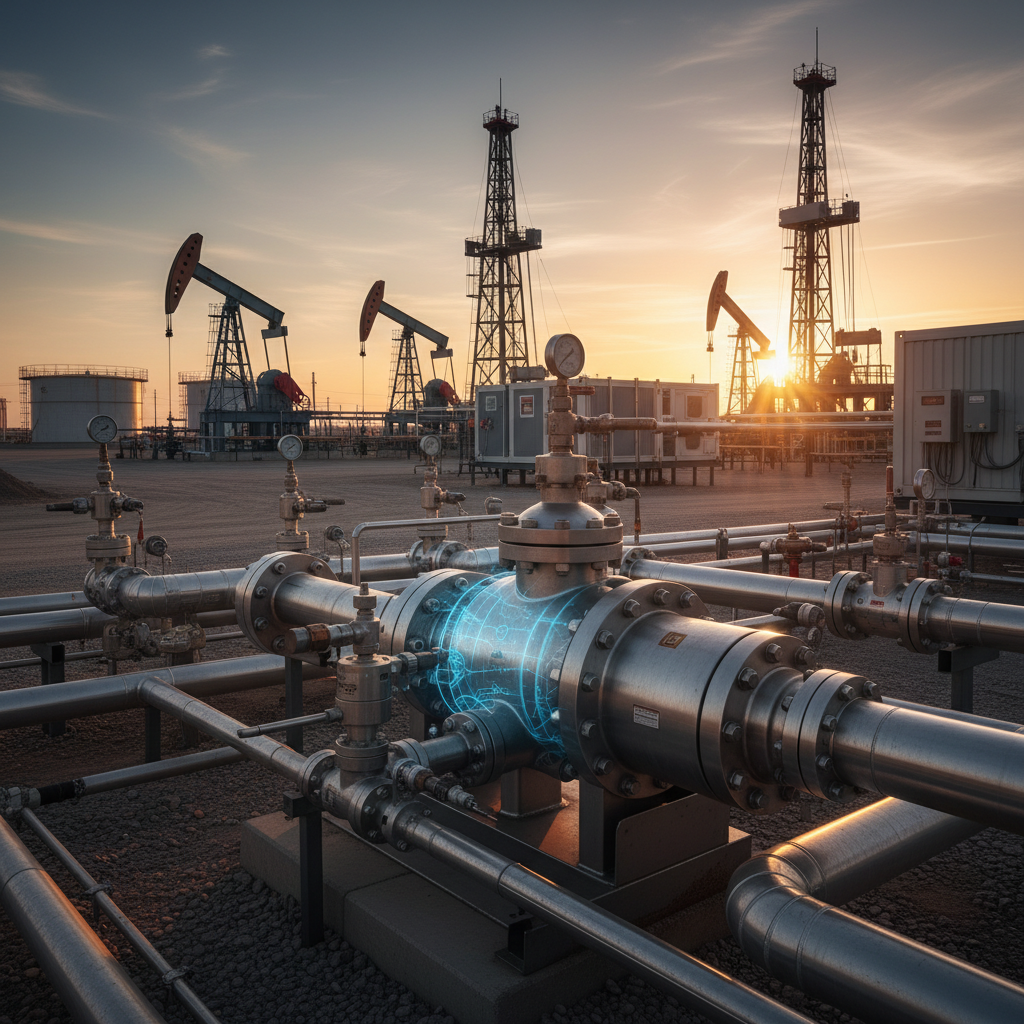
Dr. Emily Chen, a leading expert in oilfield production technology, emphasizes the significance of efficiency in her research, stating, "Enhancing the performance of oilfield jet pumps is not just about selecting the right pump—it's about understanding the entire system and its operating environment." Her insights highlight the necessity of a comprehensive approach, incorporating various operational parameters to achieve optimal results.
As we delve into the critical strategies and insights laid out in the following sections, we will explore essential tips that can help operators harness the full potential of their oilfield jet pumps, driving both productivity and profitability in the increasingly competitive market.
Understanding the Basics: How Jet Pumps Work in Oilfields
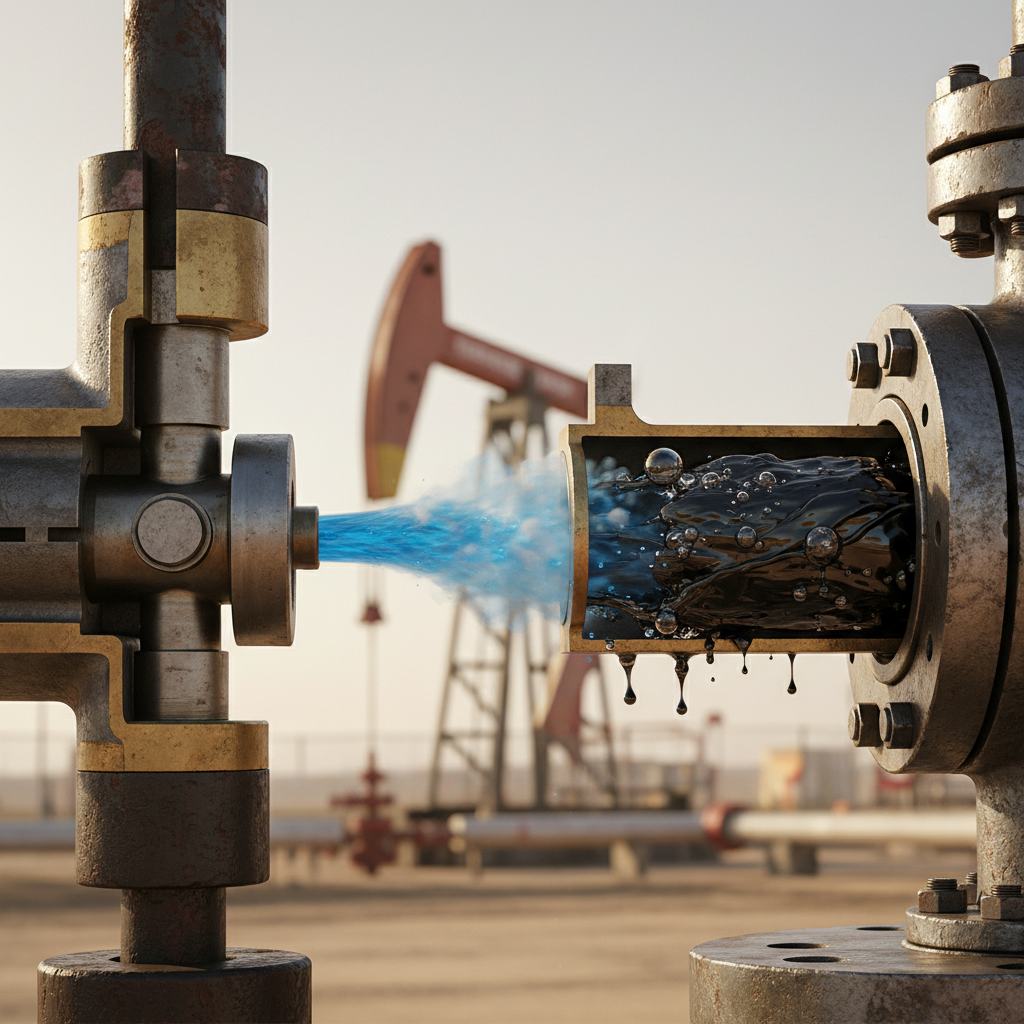
Jet pumps are a crucial technology in the oilfield, enabling effective extraction of hydrocarbons from reservoirs. Operating on a principle of fluid dynamics, jet pumps utilize a high-pressure fluid to create suction, drawing oil and gas from the well. The system consists of a pump head, nozzle, and ejector, where the high-velocity fluid is expelled through the nozzle and creates a low-pressure zone. This dynamic allows formation fluids to flow into the pump, making jet pumps particularly advantageous in low-pressure wells or situations where traditional methods might falter.
Understanding how jet pumps work enables oilfield operators to optimize their performance. Key factors include the design and positioning of the pump, as these can significantly impact the efficiency of fluid extraction. Furthermore, regular maintenance and monitoring of the jet pump system are essential to prevent declines in performance. Effective operation not only maximizes output but also prolongs the lifespan of the equipment, contributing to more sustainable oilfield practices.
Key Factors Influencing Jet Pump Performance and Efficiency
Maximizing the performance and efficiency of jet pumps in oilfields is influenced by several key factors. One of the most significant elements is the design of the pump itself; optimizing the nozzle and impeller configuration can greatly enhance flow rates and reduce energy consumption. Additionally, the fluid properties, such as viscosity and density, must be taken into consideration, as they directly impact how effectively the pump operates.
To improve jet pump efficiency, operators can implement a few essential tips. Regular maintenance is critical; ensuring that the pump components are clean and functional will prevent leaks and inefficiencies. Another effective strategy is to optimize the operating conditions by monitoring the pump's performance regularly and adjusting parameters as needed. Furthermore, it’s advisable to leverage advanced monitoring technologies to gain real-time insights into the pump's health and performance metrics, enabling proactive decision-making.
Lastly, collaboration between engineering teams and field operators can lead to valuable improvements. Sharing knowledge about field conditions and operational challenges allows for tailored solutions that enhance jet pump performance. By focusing on these critical factors and implementing strategic tips, oilfield operators can achieve significant gains in jet pump efficiency.
Essential Maintenance Practices for Optimal Jet Pump Operation
To ensure optimal performance of jet pumps in oilfields, regular and comprehensive maintenance practices are vital. Just as athletes require rest and recovery for building strength, jet pumps need systematic upkeep to operate efficiently. Neglecting maintenance can lead to inefficient operations and costly downtimes.
One essential maintenance practice is to routinely check the pump's mechanical components, such as seals and bearings. These parts endure significant wear and tear, and timely replacements can prevent sudden failures. Additionally, regularly inspecting the pump’s intake and discharge lines helps to identify clogs or leaks that could hinder performance.
Another critical tip is to monitor the operational data of the pump closely. By analyzing performance metrics, operators can detect abnormal patterns that may indicate underlying issues. Establishing a routine for data logging and review allows for proactive interventions before minor problems escalate into major ones, ensuring smoother operations. Implementing these measures can significantly enhance the longevity and efficiency of jet pumps in the field.
Maximize Oilfield Jet Pump Efficiency with These 7 Essential Tips and Industry Insights
| Tip |
Description |
Frequency |
Impact on Efficiency |
| Regular Inspections |
Routine checks for wear and tear to prevent downtime. |
Monthly |
High |
| Optimal Fluid Levels |
Maintain appropriate oil and water levels for efficient operation. |
Daily |
Critical |
| Pump Calibration |
Regularly calibrate pumps to ensure they are operating within specifications. |
Quarterly |
High |
| Vibration Analysis |
Monitor vibration signatures to detect issues early. |
Bi-weekly |
Moderate |
| Seal and Gasket Maintenance |
Inspect and replace seals and gaskets to prevent leaks. |
Semi-annually |
High |
| System Cleaning |
Clean the system to remove deposits and contaminants. |
Annually |
Critical |
| Performance Monitoring |
Use sensors to continuously monitor performance metrics. |
Continuous |
Essential |
Latest Technological Innovations to Enhance Jet Pump Effectiveness
Recent advancements in jet pump technology have significantly improved operational efficiency in oilfields. According to a report by the Society of Petroleum Engineers (SPE), the integration of variable frequency drives (VFDs) with jet pumps has led to an efficiency increase of up to 25%. These systems allow for optimal control of pump speeds, adapting to varying production conditions, which reduces energy consumption while maximizing fluid recovery.
In addition to VFDs, the development of advanced materials and coatings for jet pump components has been transformative. A study published in the Journal of Petroleum Technology indicates that the use of corrosion-resistant alloys can enhance the lifespan of pumps by 30%, thereby decreasing maintenance costs and downtime. Furthermore, incorporating artificial intelligence (AI) and machine learning into monitoring systems has enabled real-time data analysis. This innovation helps operators predict equipment failure and optimize performance, resulting in a potential output increase of 15% as reported by an industry survey. These technological insights are crucial for oilfield operators looking to maximize jet pump effectiveness in today’s competitive market.
Industry Trends: Future Outlook on Jet Pump Enhancements in Oilfields
The future outlook on jet pump enhancements in oilfields highlights significant trends driven by advancements in technology and rising demand for efficient production methods. The global digital oilfield market is set to grow substantially, projected to expand from $31.21 billion in 2025 to $44.05 billion by 2032, showcasing a compound annual growth rate (CAGR) that reflects a robust transformation in the industry. This growth is largely attributed to the integration of digital technologies, which enhances monitoring, data analytics, and operational efficiency across oilfield processes.
In Saudi Arabia, the oilfield chemicals market is expected to rise from a valuation of USD 966 million in 2024, with a strong CAGR of around 5.34% leading into 2033. This growth indicates an increasing investment in specialized chemicals that optimize jet pump performance and overall operation. Similarly, the electric submersible pumps market is on an upward trajectory, with projections of growth from USD 9.1 billion in 2025 to USD 13.0 billion by 2035, demonstrating ongoing innovation and improved efficiencies. These trends underline the industry’s commitment to enhancing jet pump technology and overall operational excellence in the oilfields.
Maximize Oilfield Jet Pump Efficiency