Why Choose Microinverter Solar Off Grid Systems for Your Home?
As the world shifts towards sustainable living, many homeowners explore energy independence. One promising solution is the microinverter solar off grid system. These systems allow users to harness solar power even in remote areas. They provide a reliable energy source, reducing dependence on traditional utility services.
microinverter solar off grid systems work by converting sunlight into energy at each panel. This unique approach enhances efficiency and maximizes energy capture. Homeowners can experience fewer energy losses, offering an attractive option for those wanting reliable power.
Choosing such a system does come with challenges. Initial costs might seem high, and installation can be complex. However, the long-term benefits often outweigh these hurdles. Investing in a microinverter solar off grid system can contribute to a more sustainable future for your home and the environment. Considering these factors carefully may lead you to a more informed decision.
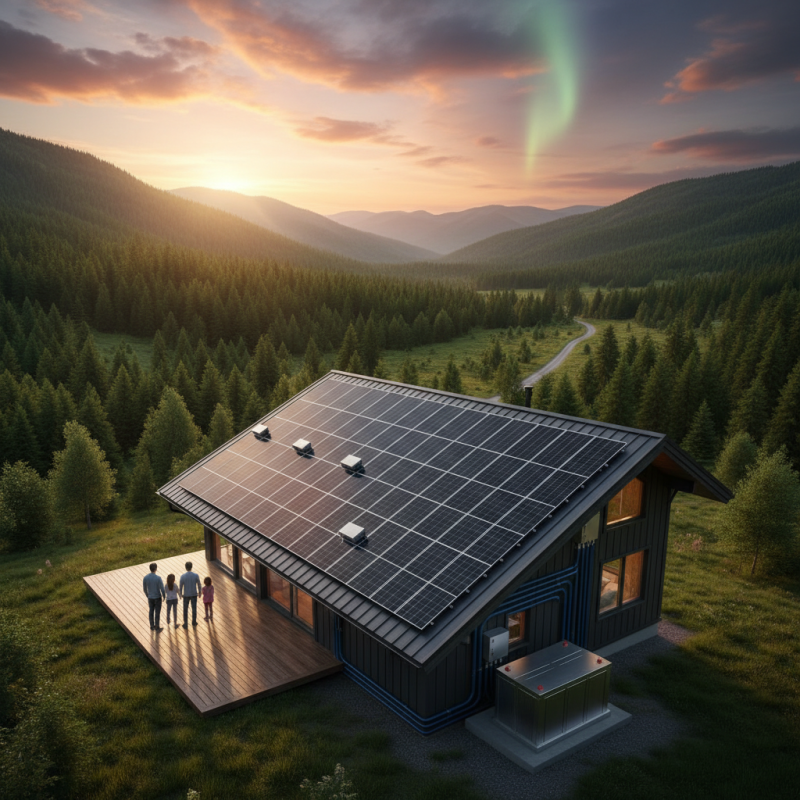
Understanding Microinverter Technology and Its Benefits
Microinverter technology stands out in the realm of solar energy. Instead of using one central inverter, microinverters operate on a panel-by-panel basis. This offers unique advantages. A study from the National Renewable Energy Laboratory indicated that microinverters can increase energy production by up to 25%. This gain is vital, especially in areas with shading or variable sunlight.
Efficiency is not the only benefit. Microinverters provide real-time monitoring for each solar panel. This allows homeowners to pinpoint issues quickly. Knowing which panel is underperforming can mean saving resources and avoiding costly repairs. A report from Solar Power World noted that systems with microinverters often have lower maintenance costs over time compared to traditional inverters.
However, with all these benefits come considerations. Microinverter systems can be more expensive upfront. Homeowners may question if the investment pays off long-term. Additionally, installation requires skilled workers familiar with this technology. Not everyone has access to such expertise, leading to varied performance outcomes. Balancing these factors is crucial for smart energy choices.
Advantages of Off-Grid Solar Systems for Homeowners
Off-grid solar systems are gaining popularity among homeowners seeking energy independence. These systems allow users to generate their power, reducing reliance on the grid. This is especially beneficial in remote areas. A recent report indicated that off-grid solar energy could save homeowners up to 60% on their energy bills.
Microinverter technology enhances the efficiency of these systems. Each panel operates independently, optimizing energy production. This can lead to higher overall output, especially in partially shaded conditions. A study found that incorporating microinverters can increase energy production by 20% compared to traditional systems.
Tip: Consider factoring in the long-term savings. Over 25 years, the return on investment can be significant. Analyze local sunlight conditions to determine the ideal setup for your home.
However, off-grid systems require careful planning. Storage capacity is crucial. Homeowners must ensure adequate battery storage. A lack of energy during night hours or cloudy days can be challenging. Also, installation can be complex, needing professional guidance.
Tip: Regular maintenance is essential. Check connections and battery health to ensure optimal performance. Ignoring these tasks can lead to decreased efficiency and unexpected costs.
Comparing Microinverters to Traditional String Inverters
When choosing solar systems, microinverters stand out against traditional string inverters. Microinverters convert solar energy at each panel. This means each panel operates independently. If one panel has shade or dirt, others will continue working efficiently. The energy loss is minimized, ensuring optimal performance.
In contrast, string inverters connect multiple panels. Their performance depends on the weakest link. If one panel isn’t producing, it affects the entire system. This can be frustrating. Microinverters also allow for better monitoring. Homeowners can check performance remotely for each panel, rather than just the whole system. Such transparency can simplify maintenance.
Installation is another factor. Microinverters can be installed in various locations. This flexibility can be a game changer for irregular rooftops. However, some may find the additional complexity of having multiple inverters challenging. Microinverters are typically more costly upfront. This can leave homeowners pondering the overall value. Despite these concerns, many find the benefits outweigh the negatives.
Factors to Consider When Choosing a Microinverter System
When considering a microinverter solar off-grid system, several factors are crucial. Microinverters convert solar energy from each panel individually. This increases efficiency, especially in partially shaded areas. According to the National Renewable Energy Laboratory, systems with microinverters can achieve up to 20% more energy production compared to traditional string inverters in certain conditions.
Battery compatibility is another important factor. Choosing a system that works well with various battery types is essential. Most microinverter systems can integrate easily with lithium-ion batteries. This combination enhances overall energy storage and usage. However, ensure the battery size fits your home’s needs. Oversizing may lead to wasted energy and costs.
Tips: Regular monitoring of your system's performance is vital. This can help in identifying issues early. Also, consider your location's climate. Some areas have more sunlight; this affects your energy output. Remember, no system is perfect. Each has its pros and cons based on unique household requirements. Be sure to reflect on long-term goals for energy independence.
Comparison of Microinverter and String Inverter Efficiency
Microinverter systems generally provide higher efficiency compared to string inverters. They allow for better performance in partially shaded conditions and optimizing the energy output from each solar panel.
Long-Term Cost Savings and Environmental Impact of Microinverters
Microinverter solar off-grid systems present a compelling choice for homeowners. They provide unique advantages in long-term cost savings. Unlike traditional systems, microinverters optimize energy output on a panel-by-panel basis. This means each panel operates at its best. If one panel is shaded or dirty, others continue to perform well. This efficiency can lead to notable energy savings over the lifespan of the system.
Environmental impact is another significant aspect. Microinverters help maximize renewable energy use. By generating more energy, they reduce reliance on fossil fuels. This contributes positively to the fight against climate change. However, some might question the initial investment costs. It can be daunting upfront. Yet, when considering the overall savings, the long-term benefits often outweigh these concerns. The technology may not be perfect, but its growing adoption indicates a shift toward a more sustainable future. Flexibility in energy production could pave the way for a greener world.