How to Optimize Sucker Rod Pump Efficiency for Better Performance?
Sucker rod pumps are widely used in oil production to lift fluids. Their efficiency directly impacts well performance and operational costs. However, many operators overlook key optimization techniques.
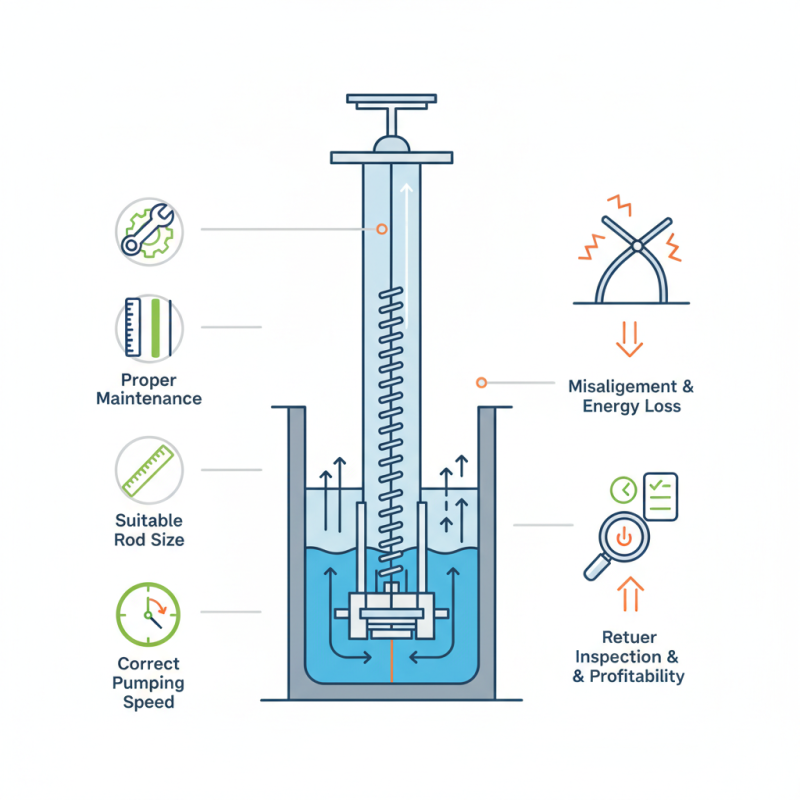
Efficiency improvements can yield significant benefits. Proper maintenance, suitable rod size, and correct pumping speed are crucial factors. Misalignment can cause wear and energy loss. Many systems operate without considering these elements.
Optimizing a sucker rod pump requires a hands-on approach. Regular inspections and adjustments can enhance performance. Operators must remain vigilant to potential issues. A proactive strategy can lead to better production outcomes and increased profitability.
Understanding Sucker Rod Pumps and Their Mechanism
Sucker rod pumps play a vital role in the oil extraction process. Their mechanism operates using a series of rods connected to a pump jack. This jack converts rotary motion into linear motion, allowing the pump to draw oil from underground reservoirs. The system relies on a balance of pressure and the rod's weight, making efficiency optimization crucial.
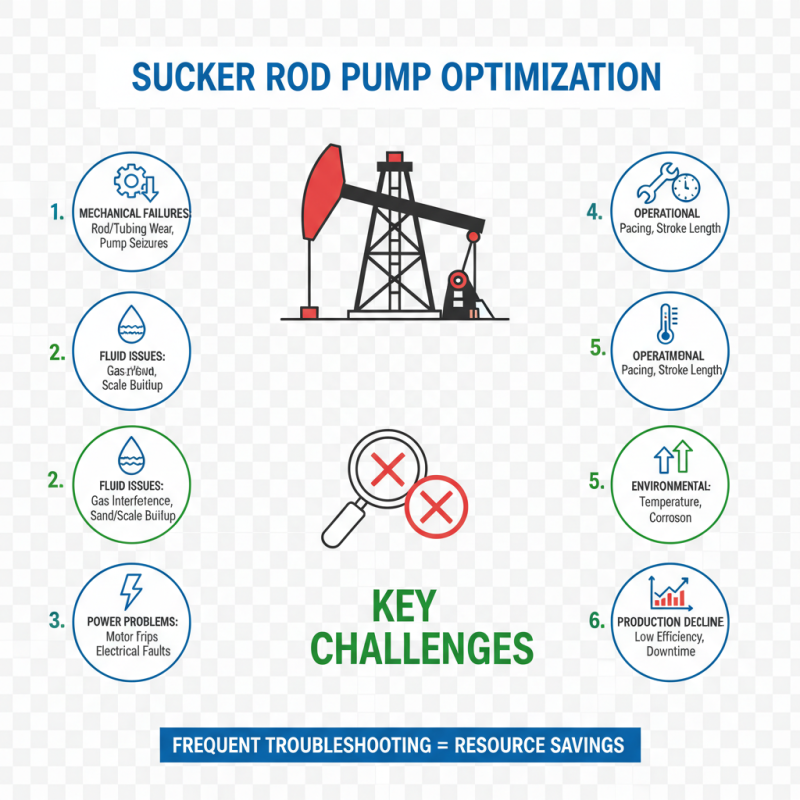
However, inefficiencies often arise during operation. A report by the American Petroleum Institute indicates that poorly maintained sucker rod pumps can lose up to 15% of their overall efficiency. Common issues include rod wear, alignment problems, and improper spacing. In some cases, up to 25% of maintenance costs come from frequent repairs due to these inefficiencies. Regular inspections and timely replacements can help, but many operators still overlook these critical steps.
The dynamic nature of sucker rod pumps demands constant attention. Operators must consider factors such as fluid viscosity and temperature. These can significantly affect performance. For instance, oils with higher viscosity require more energy to pump, often leading to decreased efficiency. Reflecting on these aspects can lead to improved practices and, ultimately, better performance in oil extraction operations.
Key Factors Influencing Sucker Rod Pump Efficiency
Sucker rod pump efficiency is vital for optimal oil extraction. Several key factors influence this efficiency. Maintaining proper alignment of the pumping unit ensures smooth operation.
Misalignment can lead to increased wear and energy losses. Regular inspections can catch misalignment early.
Tip: Regularly check the alignment using a laser system. This can save time and costs associated with repairs.
Fluid properties also play a critical role. Viscosity must be suitable for effective pumping. High viscosity can cause flow restrictions and reduced efficiency. It’s essential to monitor the fluid's characteristics regularly. Adjustments may be needed based on temperature changes.
Tip: Use a viscometer to measure fluid viscosity accurately. This helps in making necessary adjustments promptly.
The condition of the sucker rod and pump must not be overlooked. Wear and tear can diminish performance. Over time, even subtle damage accumulates. Routine maintenance can extend equipment life and improve efficiency.
Tip: Implement a scheduled maintenance program. This can help catch small issues before they escalate into major problems.
Techniques for Enhancing Pump Performance
Optimizing sucker rod pump performance involves several techniques that can significantly enhance efficiency. One effective method is adjusting the stroke length. Industry data indicates that an increased stroke length can reduce the number of strokes per minute, thereby lowering operational costs. However, this must be balanced carefully, as overly long strokes can cause excessive wear on the pump components.
Another technique is to optimize the viscosity of the fluid being pumped. According to research, maintaining viscosity between 50 to 100 cP can significantly improve pump efficiency. It allows the fluid to flow more freely, reducing the energy required for pumping. Monitoring temperature and pressure can help ensure optimal viscosity levels.
Regular maintenance is also crucial. Misalignments and wear can lead to inefficiencies. A report from an industry study noted that improper alignment can decrease efficiency by as much as 10%. Routine inspections can catch these issues early, but many operators overlook this aspect. Attention to these details can drastically impact performance.
How to Optimize Sucker Rod Pump Efficiency for Better Performance?
This chart illustrates the pump efficiency at various stages: initial efficiency, after maintenance, after implementing optimization techniques, and the target efficiency. These stages depict the importance of regular maintenance and optimization methods in enhancing sucker rod pump performance.
Regular Maintenance Practices for Sucker Rod Pumps
Regular maintenance is essential for sucker rod pumps. Neglect can lead to inefficiencies and costly repairs. Start with routine inspections. Look for wear on rod joints and supports. Daily visual checks can prevent bigger issues. A small crack can grow over time if not addressed.
Lubrication is another key practice. Rod guides and bearings require proper greasing. Insufficient lubrication causes excessive friction. This can lead to overheating and failures. Adjust the maintenance schedule based on usage. Some pumps may need more frequent attention.
Listening to the pump can be revealing. Unusual noises often signal problems. These sounds can indicate misalignment or internal wear. Documenting these observations helps in tracking performance over time. Each pump has its quirks. Reflecting on these details can enhance efficiency.
How to Optimize Sucker Rod Pump Efficiency for Better Performance? - Regular Maintenance Practices for Sucker Rod Pumps
| Maintenance Practice |
Frequency |
Impact on Efficiency |
Notes |
| Inspection of Rods and Tubing |
Monthly |
High |
Early detection of wear and tear. |
| Lubrication of Bearings |
Quarterly |
Medium |
Reduces friction and wear. |
| Checking for Leaks |
Weekly |
High |
Prevents loss of efficiency. |
| Adjustment of Pumping Speed |
Biweekly |
High |
Optimizes energy consumption. |
| Replacement of Worn Parts |
As Needed |
Very High |
Critical for maintaining performance. |