How to Select the Right Water Well Pressure Pump for Optimal Performance and Efficiency

In the contemporary landscape of agricultural and residential water supply systems, selecting the appropriate water well pressure pump is crucial for ensuring optimal performance and efficiency. As the demand for sustainable and reliable water resources continues to rise, industry experts are emphasizing the need for informed decision-making in pump selection. According to a report published by the National Ground Water Association (NGWA), the efficiency of a pressure pump can directly affect operating costs, accounting for up to 30% of the total energy expenditure for water delivery systems.

Renowned water systems expert Dr. Emily Carter has noted, "Choosing the right water well pressure pump not only enhances operational efficiency but also extends the longevity of the entire water supply system." This assertion underscores the importance of understanding specific pump characteristics, including flow rate, horsepower, and energy consumption. With advancements in pump technology and a growing focus on energy efficiency, the 2025 focus on "Top+ Digital Types" highlights the integration of smart solutions in optimizing water well pressure pump performance. By adopting these innovations, users can achieve significant reductions in both operational costs and environmental impact, paving the way for smarter water resource management.
How to Select the Right Water Well Pressure Pump for Optimal Performance and Efficiency

Understanding the Different Types of Water Well Pressure Pumps Available Today

When selecting a water well pressure pump, it’s essential to understand the different types available today. The two major categories are submersible pumps and jet pumps. Submersible pumps are designed to operate underwater, making them ideal for deep wells. They are efficient and provide a consistent water supply, but installation can be more complex. On the other hand, jet pumps are suited for shallower wells and are typically installed above ground. They are easier to maintain but may not be as efficient for deeper applications.

### Tips:
1. **Assess Well Depth**: Before making a decision, measure the depth of your well to determine which type of pump is most suitable. This will optimize efficiency and performance.
2. **Consider Flow Rate**: Evaluate your household water needs to choose a pump with an appropriate flow rate. A pump that’s too small will struggle to meet your demands, while an oversized pump can lead to unnecessary energy costs.
3. **Check Energy Efficiency Ratings**: Look for pumps that have high energy efficiency ratings. This will save you money in the long run and reduce your environmental impact.

Understanding these differences will help you select the right pump that meets your specific needs and ensures optimal performance.

How to Select the Right Water Well Pressure Pump for Optimal Performance and Efficiency

Pump Type Max Flow Rate (GPM) Max Head (Feet) Power Requirement (HP) Optimal Use
Submersible Pump 10-100 100 0.5-5.0 Deep wells with varying water levels
Jet Pump 5-50 75 0.5-2.0 Shallow wells and small applications
Centrifugal Pump 10-200 150 1.0-10.0 Large irrigation and industrial applications
Diaphragm Pump 2-30 50 0.5-1.5 Applications requiring high pressure and low flow
Turbine Pump 50-500 400 5.0-50.0 Deep wells and large volume needs

Key Factors to Consider for Optimal Pump Size and Capacity

When selecting the right water well pressure pump, it's crucial to consider several key factors that affect both the size and capacity. The first aspect to evaluate is the water demand of your household or application. Calculate the total gallons per minute (GPM) needed for your daily activities, such as showering, washing dishes, and irrigation. This calculation will guide you in choosing a pump that can meet your specific needs without overworking the motor, which can reduce efficiency and increase wear.

Another important factor is the depth of the well. The deeper the water source, the more powerful the pump must be. Be sure to choose a submersible pump if your well exceeds 25 feet in depth, as this type is designed to operate underwater efficiently. If your well is shallower, a jet pump might be appropriate.

Tips: Always check the pump's flow rate and pressure ratings to ensure they match your well's output and your household requirements. Additionally, consider the pump's energy efficiency; opting for an Energy Star certified model can save money on utility bills long-term. Regular maintenance checks will also help in preserving pump performance and extending its lifespan.

Evaluating Pump Efficiency Ratings and Performance Metrics

When selecting a water well pressure pump, evaluating pump efficiency ratings and performance metrics is crucial for ensuring optimal operation. Efficiency ratings, often expressed as a percentage, indicate how much of the energy consumed by the pump is converted into useful hydraulic energy. A higher efficiency rating means lower energy costs and less wear on the pump components over time. Regularly checking these ratings can help maintain the long-term performance of your system.

Tip: Look for pumps with a minimum efficiency of 60-70% for residential applications. This range strikes a balance between cost and performance, providing dependable water delivery without excessive energy consumption.

Performance metrics such as flow rate, head pressure, and the pump's capability to handle varying water sources are also essential considerations. Flow rate, measured in gallons per minute (GPM), determines how much water the pump can deliver, while head pressure indicates how high the water can be lifted. Assessing these factors ensures that the pump meets your specific needs, avoiding underperformance or inefficiency.

Tip: Choose a pump that comfortably exceeds your maximum required flow rate to accommodate peak usage times without strain on the system.

Essential Installation Tips for Maximizing Pump Longevity and Efficiency

When installing a water well pressure pump, understanding the installation process is critical for maximizing both longevity and efficiency. Proper positioning of the pump is key; it should be as close to the water source as possible to minimize suction lift, ideally within a vertical lift of 25 feet or less. According to the Water Well Technology Institute, inadequate installation can decrease pump efficiency by over 15%, leading to higher energy consumption and increased wear on the pump system.

Furthermore, selecting the correct size and type of pump is vital. Data from the National Ground Water Association shows that an oversized pump can cycle excessively, leading to premature failure. It's essential to match the pump capacity with the usage requirements—an average household requires a pump that can deliver around 7 to 10 gallons per minute. Utilizing a pressure tank can also prevent rapid cycling, thereby extending the pump's lifespan and maintaining optimal performance. Maintaining quality piping and utilizing proper electrical connections during installation ensures your pump runs smoothly, as faulty wiring can compromise efficiency significantly, sometimes by up to 20%.

Water Well Pressure Pump Performance Comparison

Common Maintenance Practices for Sustaining Pump Performance Over Time

How to Select the Right Water Well Pressure Pump for Optimal Performance and Efficiency

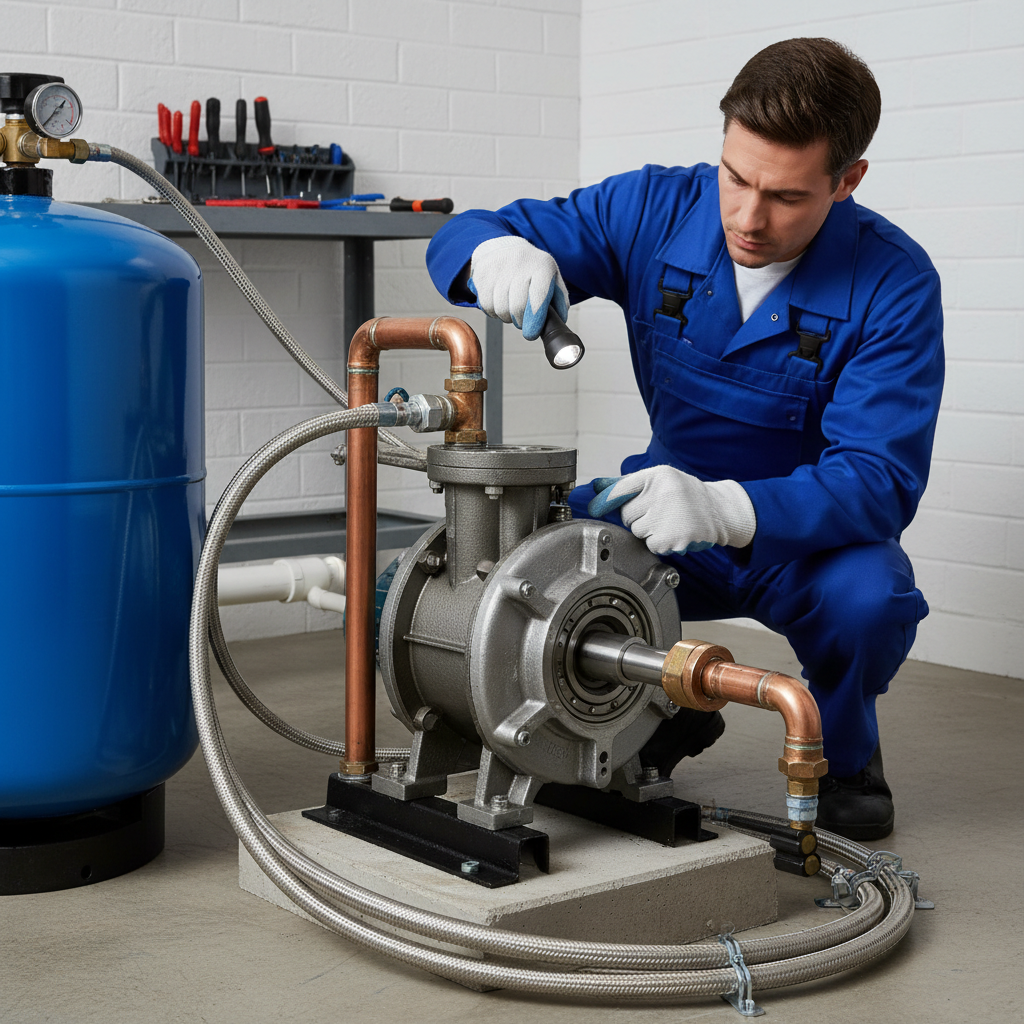
Regular maintenance is essential for ensuring the long-term performance of your water well pressure pump. One of the most critical practices is to routinely inspect the pump and its components for any signs of wear or damage. This includes checking the seals, bearings, and impellers, as these parts are vital for the pump's efficiency. A small problem, if left unattended, can escalate into a more significant issue, leading to costly repairs and downtime. Therefore, scheduling periodic inspections can help identify these concerns early and mitigate potential disruptions in water supply.

In addition to inspections, maintaining proper water levels and monitoring the pressure settings can significantly impact pump efficiency. Ensuring that the pump operates within its designated range prevents overheating and reduces the risk of mechanical failure. Regularly cleaning the intake filters and well screens is also crucial, as debris buildup can obstruct water flow and strain the pump. By adhering to these maintenance practices, you can sustain your water well pressure pump's performance over time, ensuring it operates efficiently and reliably for years to come.