7 Tips for Choosing the Best Gas Well Pump
Choosing a gas well pump starts with the well, not the catalog. Production rate, fluid level, setting depth, and gas content all affect performance. A pump that suits one well may struggle in another. Small differences matter. A changing water level, abrasive sand, or corrosive fluids can alter the demands placed on equipment.
The right choice also depends on power availability, operating costs, maintenance access, and the manufacturer’s performance data. Compare pump curves with measured well conditions, and ask how the unit handles expected gas interference and solids. Check materials, seals, motor requirements, and service support before narrowing your options. A low purchase price can look appealing, yet frequent repairs may make it more costly over time. Details matter. Even a careful estimate can miss seasonal changes or incomplete well data, so avoid treating a checklist as a guarantee.
These seven tips will help you evaluate a gas well pump with practical questions in mind. They cover sizing, pump type, materials, efficiency, installation, maintenance, and supplier support. Use them to organize your review, then confirm key assumptions with qualified well professionals and current operating records. There is no universal best pump. The best fit is the one that meets the well’s real requirements, performs reliably within its operating range, and can be maintained safely over its service life.
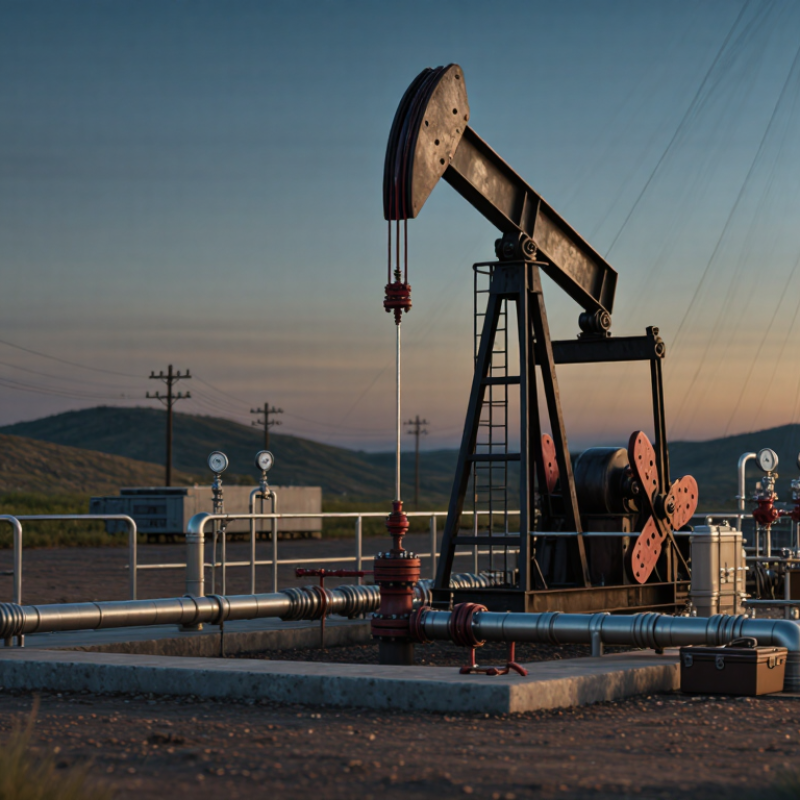
Assess Well Conditions and Production Requirements
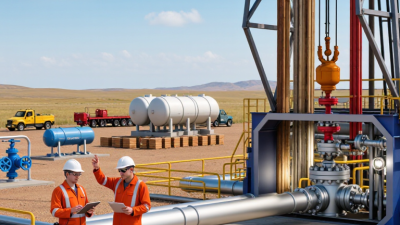
Before selecting a gas well pump, build a clear picture of the well itself. Record measured depth, casing and tubing dimensions, bottom-hole pressure, and fluid level. Check how these readings change over time, not just on one inspection day. A falling fluid level can suggest a different pumping need than a brief production dip. Small details matter.
Estimate water and condensate volumes across normal and peak conditions. Note gas rate, expected drawdown, and any sand or scale in produced fluids. High gas content can interfere with some pump designs, while abrasive solids may accelerate wear. Ask whether the pump can handle the required flow without drawing the fluid level too low. That assumption can fail. Production records are not always tidy, so compare operator logs with recent field measurements where possible. If readings conflict, investigate before treating an average as reliable.
Well geometry and operating conditions also shape installation and maintenance choices. Review deviation, temperature, available power, and access for servicing. Consider start-up behavior and likely changes in water production as the well matures. A pump sized only for today’s rate may struggle later, but oversizing can create inefficient operation. No single calculation settles every case. Have qualified production and artificial-lift specialists verify the data, document uncertainties, and confirm the proposed operating range against actual well conditions.
Compare Pump Types for Gas-Well Applications
Gas-well pump selection starts with the liquid, not the equipment catalog.
The U.S. Energy Information Administration reported dry gas production averaging about 103 billion cubic feet per day in 2023, but national output says little about one well’s water load or pressure. Measure liquid rate, flowing pressure, depth, deviation, and solids before comparing options.
A neat selection chart can mislead.
Rod pumps suit steady liquid loads and are familiar to field crews, but free gas can reduce fillage and damage performance.
Progressing-cavity pumps handle viscous fluids and some solids; gas, temperature, and elastomer compatibility need careful review.
Hydraulic jet pumps have no moving downhole parts and can work in deviated wells, though surface power demand and lower efficiency may matter.
Plunger lift is not a pump, yet it may remove accumulated liquids using the well’s own gas energy.
The Gas Well Deliquification literature and API’s sucker-rod pump standards offer useful technical context, but neither replaces well-specific testing.
Watch the fluid level.
Check it again after operating conditions change.
My first choice may be wrong.
That is why operating history matters as much as a design sheet.
Match Pump Capacity to Flow and Pressure Needs
Choosing pump capacity starts with the well’s expected liquid flow, not the largest number on a product sheet. Estimate the required rate from recent production records, including low-flow periods and peak demand. Small details matter. A pump that moves too much fluid can cycle frequently, waste energy, or draw the well down faster than intended.
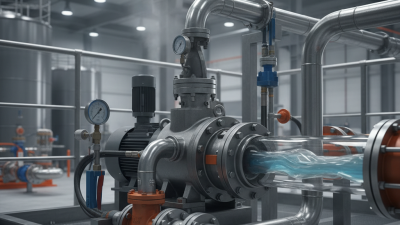
Flow alone is not enough. Calculate the pressure needed at the discharge point, accounting for fluid lift, tubing friction, and any downstream equipment. Then compare that duty point with the pump’s performance curve. Check that the required flow and pressure fall within its stable operating range. Measure under load. Gas content can also affect delivery, so note whether free gas is present and how production changes during the day.
The first estimate is rarely perfect. Real wells fluctuate, and operating data may be incomplete. Avoid sizing around a single peak reading; use representative measurements and leave a reasonable operating margin. An oversized pump can be as troublesome as an undersized one. Review the assumptions with a qualified pump specialist, especially when pressure limits or changing fluid conditions could alter performance.
7 Tips for Choosing the Best Gas Well Pump: Match Pump Capacity to Flow and Pressure Needs
Compare illustrative flow-and-pressure duty points using calculated hydraulic power. The values show the power transferred to the fluid; actual pump input power will be higher because of pump and motor losses.
Hydraulic power = flow rate × pressure rise. These are illustrative calculations, not universal well requirements; confirm the required flow and pressure from well tests and the system curve before selecting a pump.
Evaluate Materials, Efficiency, and Operating Costs
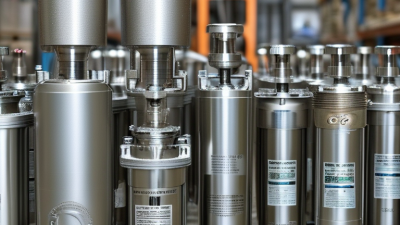
A gas-well pump should match the fluid, not just the nameplate. Check fluid chemistry, solids, temperature, pressure, gas content, seal materials, and maintenance access. Abrasive sand can wear wet ends; corrosive water can shorten seal life. Small details matter. Confirm the pump curve against measured flow and total head, then check efficiency near the actual operating point.
The U.S. Department of Energy’s 2006 Improving Pumping System Performance: A Sourcebook for Industry estimates that pumping uses nearly 20% of global electricity. It also identifies potential energy savings of 25–50% through improvements to industrial pumping systems.
These are broad benchmarks, not guarantees for a particular well. Measure, then compare.
Estimate operating costs across the expected service life. Include electricity, routine parts, labor, and the cost of downtime—not only the purchase price. Ask for expected performance with the well’s real fluid and operating range; a clean-water test may not tell the whole story. Compare motor load and flow at normal conditions, and check whether variable-speed control suits changing demand.
A lower-cost pump can become expensive when it runs far from its efficient range or needs frequent repairs. One weakness in many estimates is the assumed duty cycle: actual production can shift. Revisit that assumption with field data before choosing.
Check Safety Features, Serviceability, and Supplier Support
A gas well pump must fit the site’s safety conditions, not just its flow and pressure targets. Check that its materials, seals, and electrical components suit the expected fluids and operating environment. Ask for clear documentation on pressure limits, protective guards, emergency shutdown options, and any required area ratings. Get the details in writing. A feature listed in a brochure is not enough if its limits remain unclear.
Serviceability matters when a pump needs attention in a tight, dusty field location. Look for accessible wear parts, practical inspection points, and instructions that technicians can follow without guesswork. Confirm which seals, valves, and bearings are replaceable, and whether common spares can be stocked nearby. Maintenance schedules should reflect actual site conditions, not an ideal workshop. That distinction is easy to miss.
Supplier support can affect downtime as much as pump design. Ask who handles technical questions, how quickly parts can ship, and whether installation or operator training is available. Request sample manuals and a written parts list before ordering. A slow answer before purchase may be a warning, though not proof of poor service. I would compare specific commitments, not friendly promises.