Top 10 Oilfield Jet Pump Solutions for Global Procurement?
In the competitive landscape of the oil and gas industry, oilfield jet pumps play a crucial role in enhancing extraction efficiency. According to a report by Grand View Research, the global oilfield jet pump market is projected to reach USD 1.5 billion by 2027. This growth underscores the increasing reliance on efficient pumping solutions for upstream operations.
Despite advancements, the market faces challenges. Many operators still struggle with selecting the best jet pump solutions for their specific needs. The right choice can significantly impact production rates and operational costs. Research indicates that improper pump selection can lead to a 30% decrease in efficiency, highlighting the importance of informed decision-making.
Industry leaders emphasize the necessity of understanding the unique demands of each oilfield. Different formations and fluid characteristics require tailored jet pump configurations. This variability prompts a thorough assessment of available technologies and manufacturers. As procurement processes become more globalized, identifying the top solutions remains a pressing concern for operators aiming for sustained production and profitability.
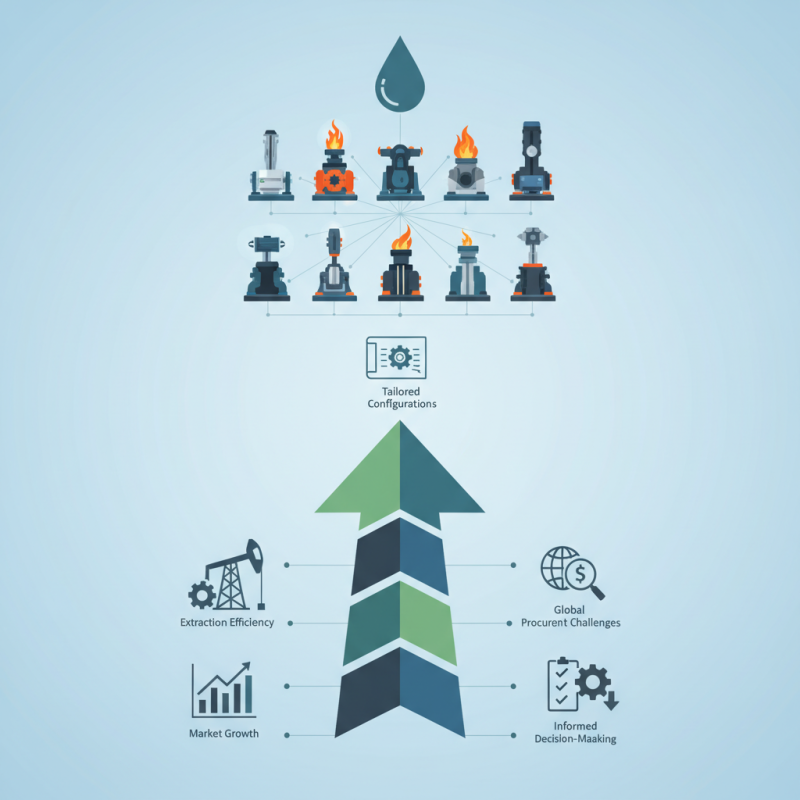
Overview of Oilfield Jet Pump Technology
Jet pump technology is a crucial element in oilfield operations. It enables efficient fluid extraction from wells. The working principle involves creating a pressure differential, which pulls fluids from the reservoir. This system uses kinetic energy to enhance fluid movement and maintain production levels. The design focuses on adaptability and ease of maintenance, which are key for remote drilling sites.
Many operators face challenges with jet pump systems. Common issues include wear and tear on components and inefficiencies in fluid dynamics. Regular monitoring can help identify these problems early. However, operators often overlook maintenance schedules. This could lead to costly downtime. Investing in quality materials and technologies can improve reliability. Anomalies in pressure readings can provide insights into performance issues.
In choosing jet pump solutions, companies must consider several factors. Compatibility with existing systems is crucial. Operators should evaluate the expected production rates and energy consumption levels. Additionally, environmental impact assessments are necessary. Understanding local regulatory requirements can prevent legal complications. This approach ensures that oilfield jet pump systems are not only effective but also sustainable over time.
Key Factors Influencing Jet Pump Selection for Procurement
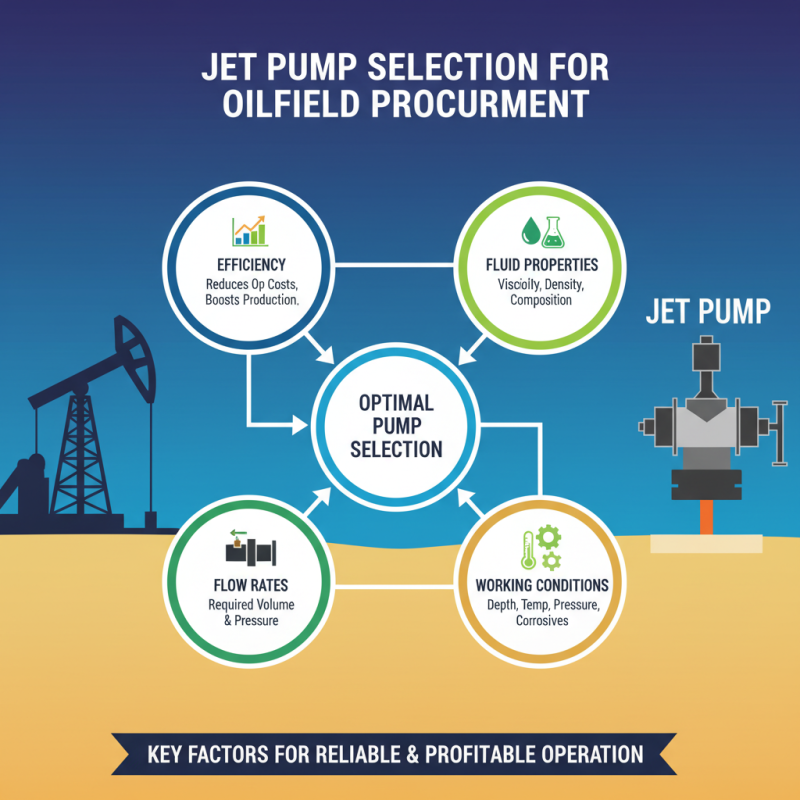
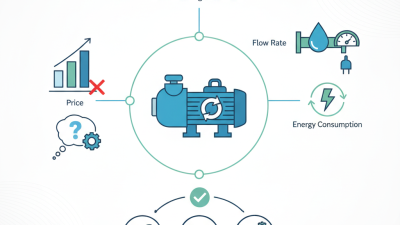
Selecting the right jet pump solution for oilfield procurement involves several critical factors. One of the foremost considerations is the pump's efficiency. A high-efficiency pump can significantly reduce operational costs and enhance production rates. Factors such as fluid properties, flow rates, and working conditions must be evaluated. Understanding these variables ensures the selected pump meets specific operational demands.
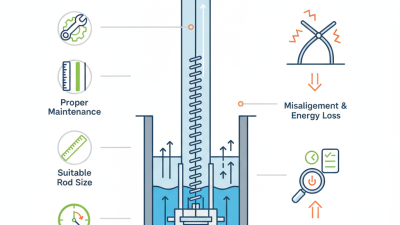
Durability is another key aspect. Jet pumps operate in harsh environments. They face pressure, temperature extremes, and corrosive materials. Therefore, materials used in pump construction should be robust enough to withstand wear and tear. Regular maintenance is essential, but even the best pumps can fail without proper care.
Cost-effectiveness also influences selection. While price is a consideration, cheaper pumps may lead to higher long-term costs. Companies must invest in solutions that balance initial expenditures with reliability and maintenance needs. Creating a transparent procurement strategy is crucial. Engaging with experienced professionals can help refine choices and evaluate the long-term impact of selected jet pumps.
Top Ten Jet Pump Solutions: Features and Benefits
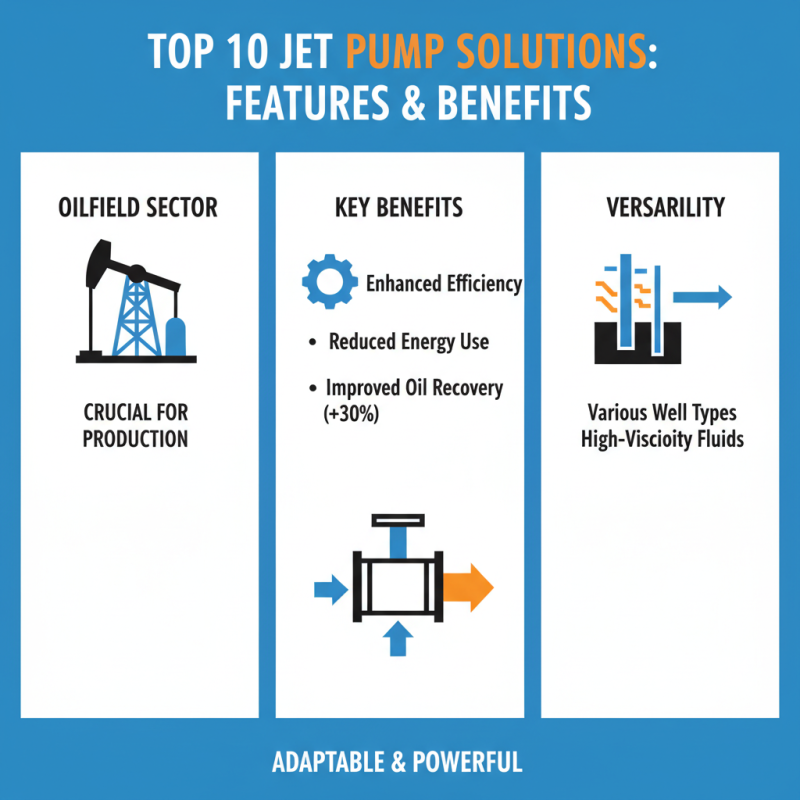
Jet pumps are crucial in the oilfield sector. They enhance production efficiency while minimizing energy consumption. Recent studies indicate that jet pumps can improve oil recovery rates by up to 30%. Such pumps operate effectively in various conditions, making them versatile for different well types. Their ability to handle high viscosity fluids is particularly noteworthy.
Feature-wise, these pumps are compact and lightweight, offering easier installation and reduced maintenance. For example, the average longevity of a jet pump in active operation is about five years, which is competitive in the industry. The ease of replacement parts can streamline processes, thus decreasing downtime. Some reports suggest that automated monitoring systems can further boost reliability and efficiency, reducing human error.
Despite these advantages, challenges persist. Variable flow rates can lead to performance inconsistencies. Continuous advancements are needed in pump design to enhance adaptability. Research continues to focus on optimizing jet pump technologies to manage diverse reservoir conditions. This ongoing evolution is essential for meeting the demands of an ever-changing global energy landscape.
Comparative Analysis of Global Suppliers in Jet Pump Market
The jet pump market is evolving rapidly. Companies are looking for innovative solutions to meet diverse oilfield needs. A comparative analysis of global suppliers reveals varying strengths. Some excel in efficiency, while others focus on cost-effectiveness. Choosing the right supplier requires understanding specific operational needs.
Not all suppliers offer the same quality. Some products may underperform in extreme conditions. Reliability is a key factor, often overlooked. Customers must evaluate performance metrics rigorously. This ensures long-term success and minimizes downtime in operations.
Supplier certifications can indicate reliability. However, certifications do not guarantee performance. This poses a risk for procurement teams. Demand for transparency is increasing. Manufacturers must provide detailed performance data. Ultimately, informed decision-making is vital for optimizing procurement.
Future Trends in Oilfield Jet Pump Technology and Applications
The oilfield jet pump technology is rapidly evolving, driven by the need for efficient energy extraction. As energy demands increase, innovative designs are emerging. Recent industry reports highlight a projected growth of the jet pump market by approximately 5.7% CAGR between 2023 and 2030. This growth underscores the technology's importance in optimizing fluid movement in various oil and gas operations.
Advancements in materials science are significant. Lightweight and corrosion-resistant materials are now utilized, enhancing durability and efficiency. Integrated AI technology is also gaining traction. Smart jet pumps can now analyze real-time data, allowing for predictive maintenance and optimizing operational performance. For operators, this means reduced downtime and increased recovery rates.
However, challenges remain. The initial investment for advanced jet pump systems can be substantial. Smaller operators may struggle with affordability. There is also a need for continuous training for personnel to work with these high-tech systems. As the industry adapts, balancing innovation and cost-efficiency will be essential for widespread adoption.