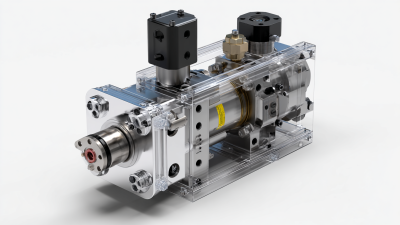
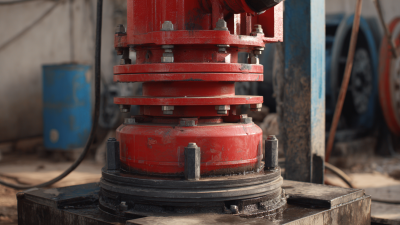
The Ultimate Guide to Choosing the Best Water Well Jet Pump
When it comes to ensuring a reliable and efficient water supply for your home or agricultural needs, choosing the right water well jet pump is crucial. This ultimate guide is designed to help you navigate the complexities of selecting the perfect jet pump that caters to your specific requirements. Water well jet pumps are an integral part of groundwater extraction, providing the necessary power to draw water from deep within the earth. With a wide variety of options available in the market, understanding the essential features and factors to consider is paramount in making an informed decision.
In the following sections, we will delve into the key aspects that define the best water well jet pumps. From horsepower and flow rates to installation requirements and maintenance, our comprehensive analysis will equip you with the knowledge needed to choose a pump that meets your needs. Whether you are a homeowner looking to improve your water system or a farmer aiming to enhance irrigation capabilities, understanding the nuances of water well jet pumps will ultimately lead you to greater efficiency and satisfaction. Join us as we explore this vital topic in detail, ensuring you make the best investment for your water-related endeavors.
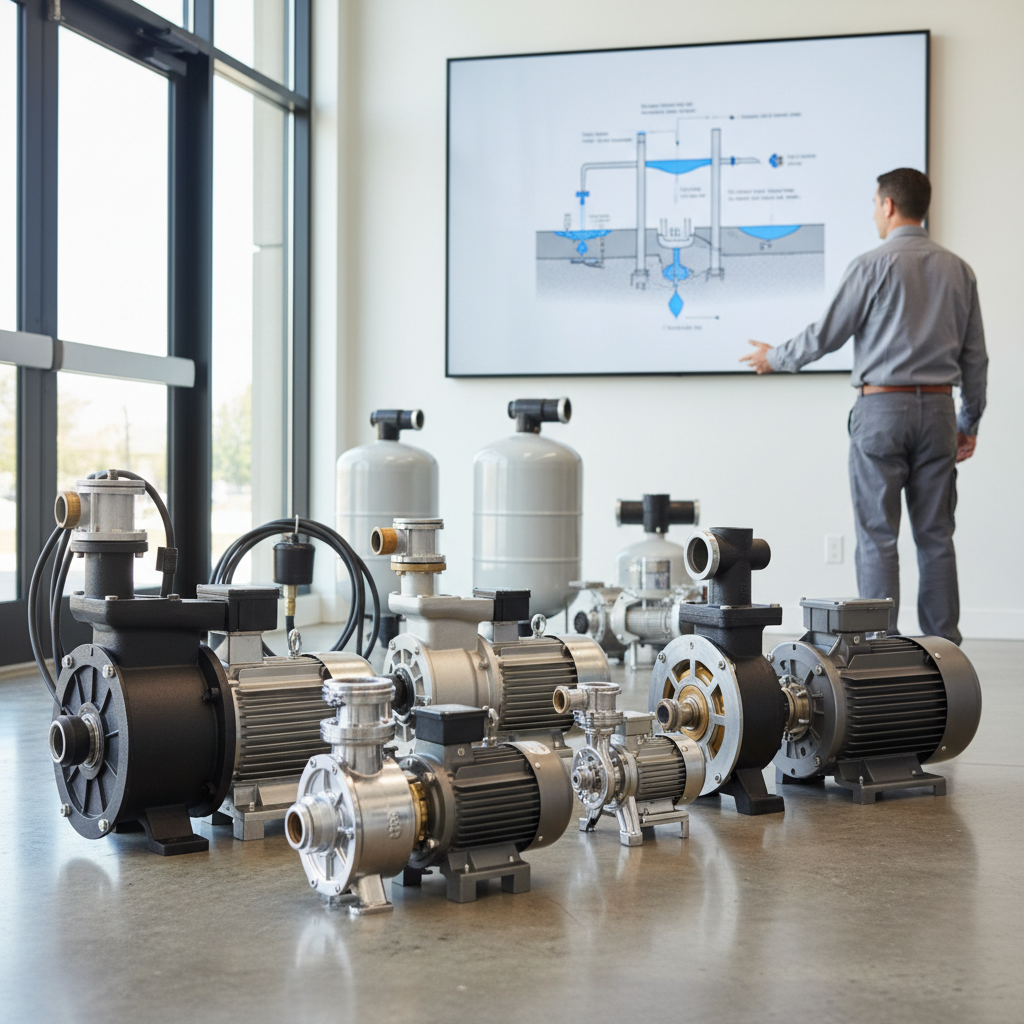
Understanding Water Well Jet Pumps: Function and Applications
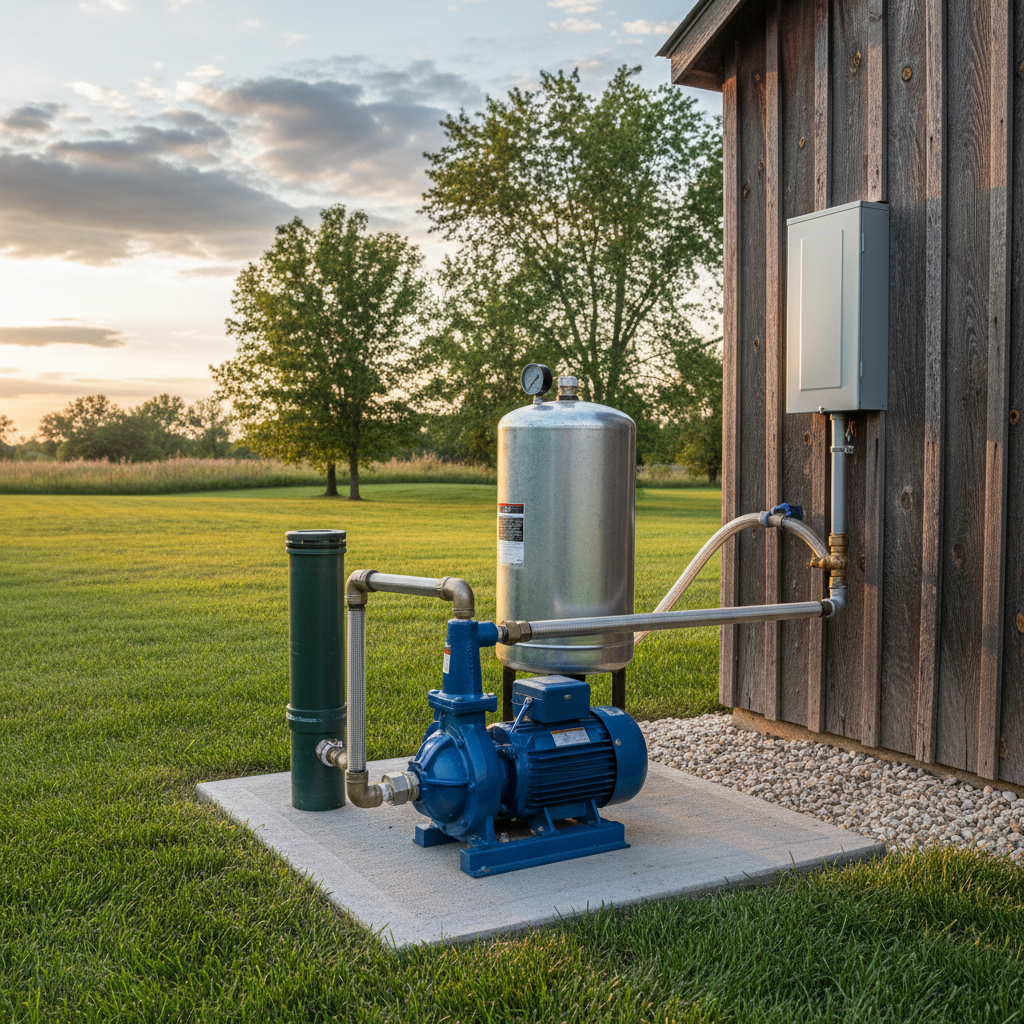
Water well jet pumps are integral to various applications, functioning primarily to lift water from underground sources. They operate by creating a vacuum that pulls water into the pump and then propelling it upward through a discharge pipe. This mechanism is essential in agricultural irrigation, residential water supply, and industrial operations where consistent water access is critical. Recent advancements in optimizing jet pump efficiency, such as the use of drag-reducing polymers, highlight the continuous evolution of this technology, making it increasingly efficient for users across multiple sectors.
Tips for Choosing a Water Well Jet Pump:
- Assess the depth of your well and the required flow rate to ensure you select a pump that meets your specific needs.
- Consider the material and design of the pump—look for corrosion-resistant options that can withstand harsh operating conditions for enhanced longevity.
- Be aware of the efficiency ratings of available pumps; modern designs can significantly reduce energy consumption while improving performance.
Utilizing jet pumps also extends beyond simple water delivery. Innovations in jet pump technology are making strides in industrial applications, particularly in fluid mixing and transport processes. These developments not only enhance operational efficiency but also contribute to improved environmental sustainability. Consider how these enhanced features can benefit your application to maximize the effectiveness of your water well system.
Key Factors to Consider When Choosing a Water Well Jet Pump
When selecting the best water well jet pump for your needs, there are several key factors to consider. First, assess the depth of your well. Jet pumps are typically more effective for shallower wells, usually up to 25 feet. If your well is deeper, you might need a submersible pump instead. Additionally, consider the pump’s flow rate and pressure, as these will determine how effectively the water can be delivered to your home or irrigation system.
Tips: Always check the specifications of the pump to ensure it meets your flow rate requirements. For households, you should look for a pump that can deliver at least 5-10 gallons per minute for adequate supply.
Another critical factor is energy efficiency. Look for a pump that provides optimal performance while minimizing energy consumption. This not only reduces your electricity bill but also has a positive impact on the environment.
Tips: Investing in a high-efficiency pump may have a higher initial cost, but it can save you money in the long run through reduced operating costs. Be sure to read customer reviews to gauge reliability and performance over time.
Comparing Different Types of Water Well Jet Pumps
When selecting the best water well jet pump, it’s crucial to compare the various types available on the market. Generally, water well jet pumps can be categorized into two main types: single-jet and double-jet pumps.
Single-jet pumps are typically easier to install and maintain, making them ideal for shallow wells. They function efficiently at depths of up to 25 feet, but their water delivery rate may not be as high as that of double-jet pumps.
Double-jet pumps, on the other hand, are designed for deeper wells, allowing them to extract water from depths exceeding 25 feet. These pumps utilize two jets to create a more powerful suction, which can significantly increase water flow rates. However, they tend to be more complex, often requiring professional installation.
Each type has its advantages, and the right choice largely depends on factors such as well depth, desired flow rate, and overall installation requirements. Assessing these factors will help ensure you select the most suitable water well jet pump for your needs.
Installation and Maintenance Tips for Water Well Jet Pumps
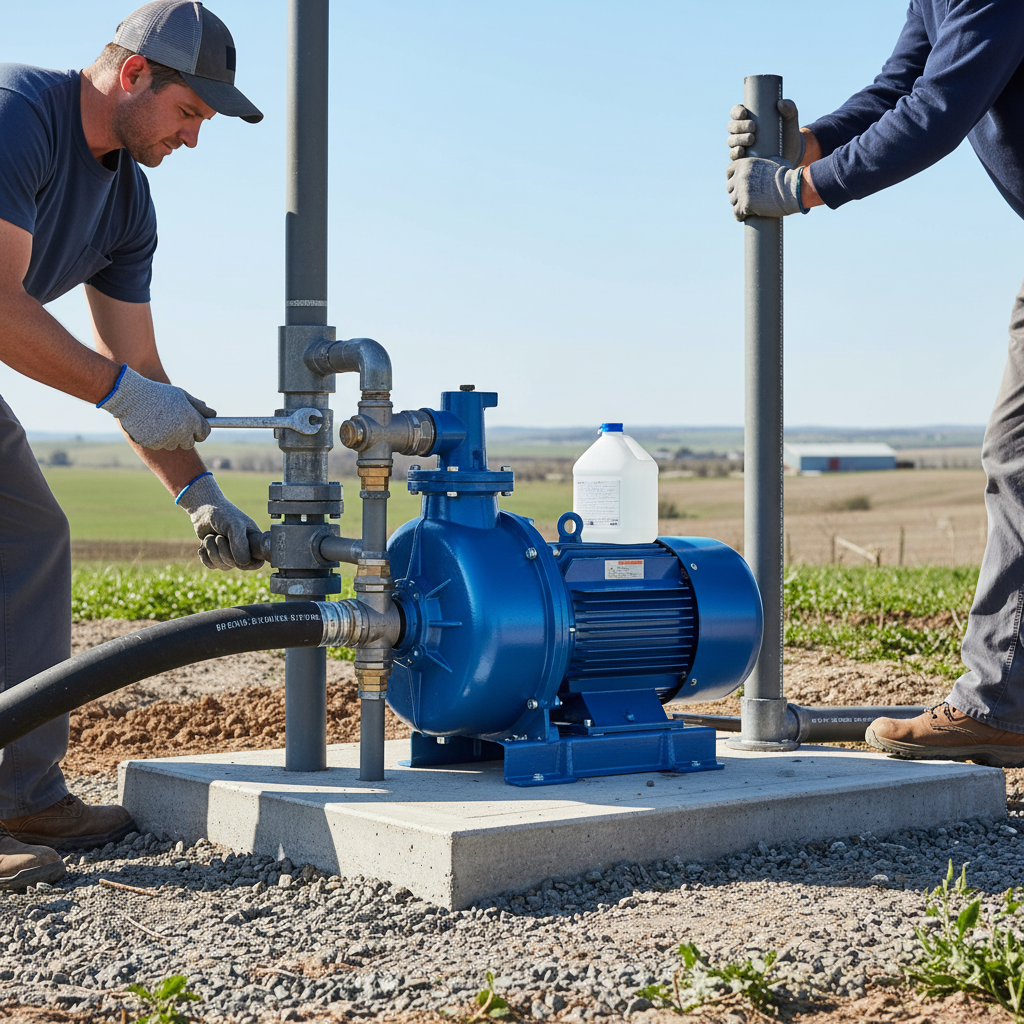
Installing a water well jet pump requires careful attention to detail to ensure optimal performance. Begin by selecting a suitable location near your well. Ensure the area is accessible for maintenance and not prone to flooding. When setting up the pump, make sure all connections are secure to prevent leaks. Properly align the pump with the piping system to minimize strain on the connections. Priming the pump is crucial; fill it with water before starting to avoid damage and airlock, which can hinder performance.
Once installed, regular maintenance is key to extending the life of your water well jet pump. Check the pump and surrounding components for signs of wear or damage, paying close attention to seals and fittings. Periodically inspect the pressure switch and control box for any irregularities. Cleaning the filter regularly will help maintain efficient operation by preventing debris accumulation. Additionally, consider flushing the system annually to remove sediment. Proper care and timely interventions can enhance performance and prolong the lifespan of your pump, ensuring a consistent supply of water for your needs.
Common Problems and Solutions for Water Well Jet Pumps
When utilizing water well jet pumps, common problems can often hinder their performance. A significant issue is cavitation, which occurs when air bubbles form in the pump due to low water levels or excessive suction. According to the National Ground Water Association, cavitation can cause severe damage to the pump impellers, leading to costly repairs or replacements. To address this, ensure that the pump is installed at an adequate depth and is compatible with your well's water level conditions.
Another prevalent problem is the pump failing to build adequate pressure. This issue may arise from air leaks in the suction line, a clogged filter, or improper sizing of the pump for the well’s output. A study from the American Water Works Association indicates that nearly 30% of well pump issues stem from improper installation. Regular maintenance, such as checking for leaks and ensuring clean filters, can significantly extend the life of your pump.
**Tips:** Always conduct regular inspections of your water well jet pump system, focusing on the suction lines and connections. Additionally, consider investing in a pressure gauge to monitor system performance and catch potential problems early. Keeping a log of maintenance activities can also help identify recurring issues and prevent future failures.
The Ultimate Guide to Choosing the Best Water Well Jet Pump - Common Problems and Solutions for Water Well Jet Pumps
| Dimension |
Details |
| Pump Type |
Jet Pump |
| Common Problem |
Loss of Prime |
| Solution |
Check for air leaks in the suction pipe. |
| Common Problem |
Insufficient Water Pressure |
| Solution |
Clean or replace the filter screen. |
| Common Problem |
Pump Won't Start |
| Solution |
Check the electrical connections and verify the power supply. |
| Common Problem |
Overheating |
| Solution |
Ensure the pump is operating in accordance with manufacturer's specifications. |