What is a Water Well Pump and How Does It Work?
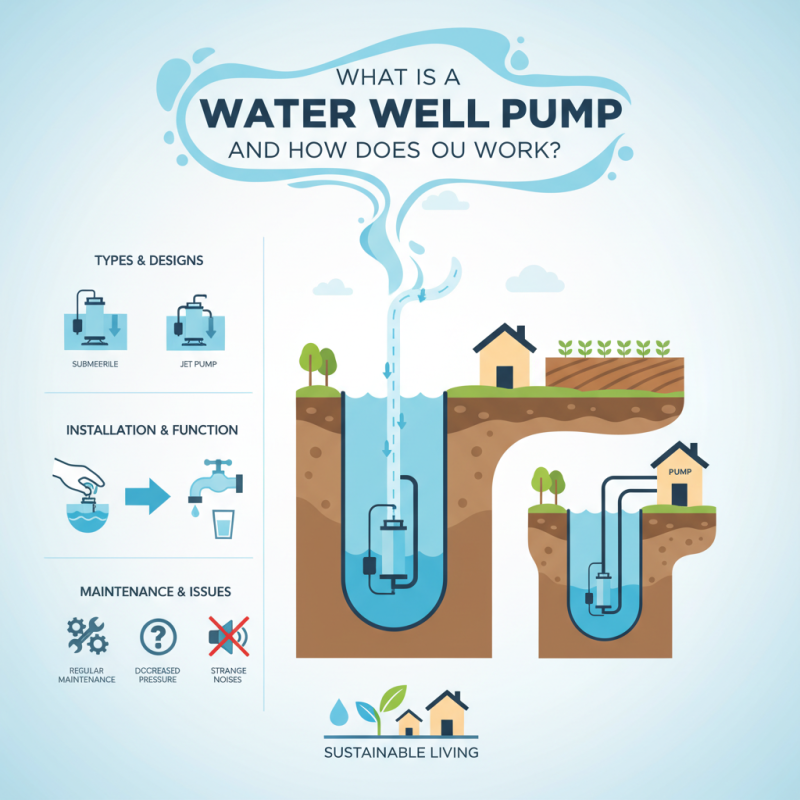
A water well pump is essential for accessing groundwater. It plays a crucial role in bringing clean water to homes and farms. Understanding how this device works can help in maintaining it effectively.
Water well pumps can vary in types and designs. Some are submersible, while others are jet pumps. The choice depends on the depth of the water source and the specific needs of the user. When installed correctly, a water well pump draws water from underground and pushes it to the surface.
However, issues can arise. Pumps may malfunction or become less efficient over time. Regular maintenance is necessary to ensure they operate correctly. Homeowners should be aware of possible problems, such as a decrease in water pressure or strange noises. Keeping an eye on these signs can prevent larger issues in the future. A water well pump is a vital component of sustainable living that requires ongoing attention.
What is a Water Well Pump?
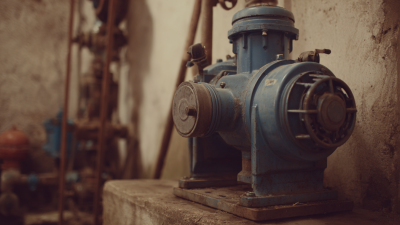
A water well pump is an essential device for accessing groundwater. It pulls water from underground aquifers to provide a reliable supply for homes and farms. The mechanism involves a motor that drives a pump, which creates suction. This suction pulls water up from below the surface. The design can vary, with submersible pumps placed underwater and jet pumps located above ground.
Water well pumps operate based on simple principles. When activated, the motor spins, and the impeller inside the pump moves water. It's fascinating how this process works, yet it seems rudimentary. For those unfamiliar, understanding the intricacies can be daunting. Not everyone realizes there are various types of pumps, each suited for specific depths and water levels. Some pumps struggle with heavy sediments or varying water pressure.
When maintaining a water well pump, awareness is key. Issues like pump failure can lead to significant inconveniences. Routine checks can prevent unexpected breakdowns. However, many people overlook this aspect. They often assume everything will work perfectly, leading to disappointment. It’s vital to recognize that while these pumps simplify our lives, their complexity requires regular attention.
Types of Water Well Pumps and Their Applications
Water well pumps are essential for accessing groundwater. Understanding the different types can help you choose the right one. There are three main types of water well pumps: jet pumps, submersible pumps, and centrifugal pumps.
Jet pumps are often used for shallow wells. They work by creating a vacuum to draw water up. Installation can be tricky. They require proper elevation. If not set correctly, they may lose efficiency. Submersible pumps sit underwater. They push water to the surface. They are suitable for deeper wells, but higher repair costs can be an issue. Regular maintenance is crucial to ensure longevity.
Centrifugal pumps are efficient and versatile. They are effective in transferring water quickly. However, they are less effective in deep settings. It's easy to overlook the right pump for specific needs. Misjudging the well depth can lead to inefficiencies. It’s vital to assess your options carefully. The implications of a wrong choice can be significant.
How Water Well Pumps Function and Operate
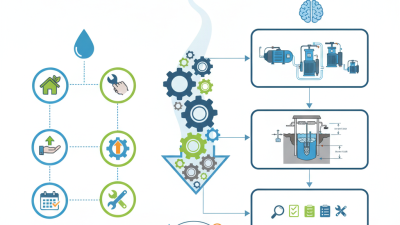
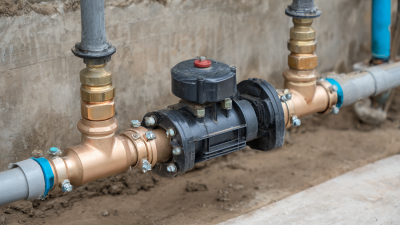
Water well pumps are essential devices that draw water from underground sources. They work by creating a pressure difference, allowing water to flow from the well into storage tanks or directly to faucets. The mechanics may seem straightforward, but several components interact to ensure efficiency.
When the pump is activated, it helps to lift water from depths that can reach hundreds of feet. A motor powers the pump, and this energy is converted into kinetic force. Different types of pumps are used depending on the depth of the water and the volume needed. In many cases, maintenance is required to keep the pump functioning well; failures can occur if the wiring is damaged or if debris clogs the system.
Proper installation is important for optimal performance. The depth of the water table can fluctuate, requiring adjustments over time. Some pumps may have a float switch that turns them off when water levels drop too low. If these systems are neglected, the consequences can be significant. Uneven water pressure or complete pump failure can lead to frustration and unexpected costs. Understanding these functions and their challenges helps homeowners maintain their water supply effectively.
Key Components of Water Well Pumps
Water well pumps are essential for extracting groundwater. Understanding their key components can help ensure effective use and maintenance. The main elements include the pump itself, a motor, a suction line, and an intake screen. Each part plays a critical role in the overall function.
The pump draws water from a well using a motor's power. This motor can be electric or powered by other means. The suction line transports water to the surface. The intake screen filters debris, preventing clogging. According to the Water Systems Council, nearly 15 million households in the U.S. rely on well water. A malfunction in any part can disrupt this vital resource.
Regular checks on these components are important. Neglected pumps may lose efficiency over time. For instance, sediment build-up in the intake screen can reduce water flow. Reports suggest that 20% of well systems fail due to maintenance issues. Understanding and tending to these key components can prevent costly breakdowns.
Maintenance Tips for Water Well Pumps
Water well pumps are vital for accessing underground water. Regular maintenance is crucial for their longevity and efficiency. Ignoring basic upkeep can lead to significant issues that may require costly repairs.
One important tip is to regularly check the power supply. Ensure that the electrical connections are secure and free from corrosion. A loose or damaged connection can cause the pump to work inefficiently. Watch for unusual noises during operation. They may indicate underlying problems that need immediate attention.
Another key aspect is to inspect the pump’s pressure switch. This controls the pump’s operation based on water demand. Clean the switch and test its functionality at least once a year. If water flow seems inconsistent, the pressure switch might be malfunctioning. These small checks can lead to better performance and potentially save you from a complete breakdown.
Finally, consider the water quality. High levels of sediment can damage the pump over time. Regularly test your water and consider filtration options if necessary. Keeping the well area clear of debris also helps in maintaining an optimal environment for the pump. These actions can prolong the life of your water well pump.
Water Well Pump Maintenance Costs Over Time