
Why Is My Well Pump Not Working?
When a faucet suddenly coughs air instead of water, a failed well pump may seem like the obvious cause. Yet the pump is not always the problem. A tripped breaker, damaged wiring, faulty pressure switch, empty well, or frozen supply pipe can create the same frustrating silence. This guide explains how these systems work and where failures commonly begin, using practical checks that homeowners and service technicians often perform.
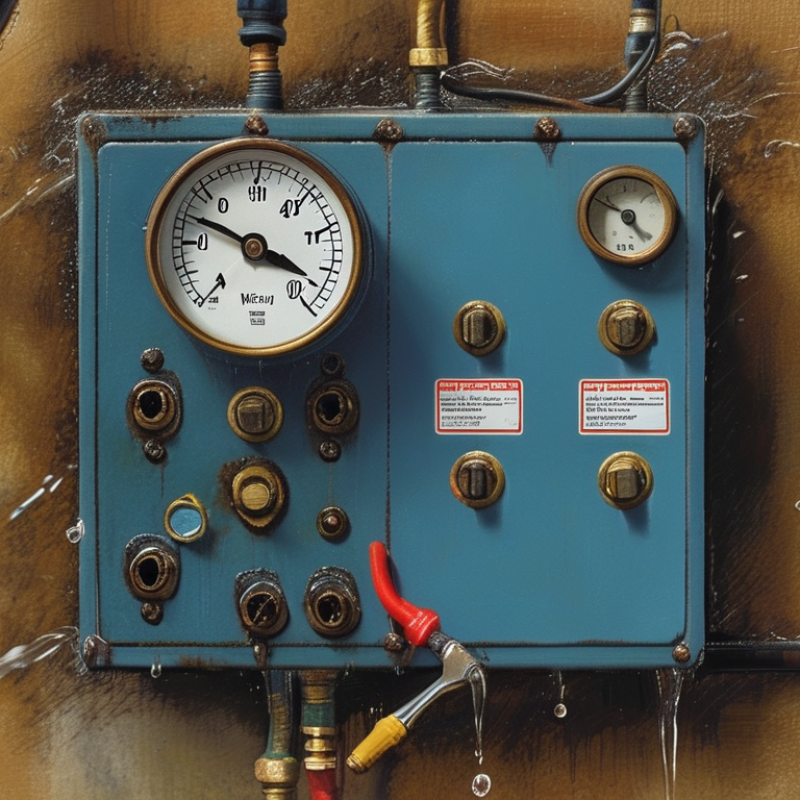
Safety comes first. Turn off power before opening any electrical cover, and never touch wet wiring. Check whether other fixtures have water, then inspect the breaker and pressure gauge without forcing anything. A gauge stuck near zero may suggest a supply issue, while rapid clicking can indicate pressure-switch trouble. Do not repeatedly reset the breaker. That detail matters.
A licensed well professional should test voltage, inspect the control box, and measure motor performance. Manufacturer instructions and local safety requirements should guide every repair. Some symptoms overlap, and a quick guess can damage the motor or leave a family without safe water. I have seen troubleshooting advice focus too quickly on the pump itself. That assumption is understandable, but incomplete. Careful diagnosis saves money, protects equipment, and identifies serious problems before they become expensive failures.
Common Reasons a Well Pump Stops Working
Why Is My Well Pump Not Working?
Common Reasons a Well Pump Stops Working
A failed well pump often begins with a simple power problem. Check the breaker, disconnect switch, and control box for heat or burnt odors. Start with power. A tripped breaker may indicate a damaged wire, locked motor, or overloaded circuit. Do not repeatedly reset it. Turn off electricity before opening any equipment.
Listen closely. A silent pump may have a failed pressure switch, capacitor, relay, or motor. A humming pump may be jammed or unable to start. Low water pressure can also result from a clogged filter, broken pipe, leaking pressure tank, or frozen line. In dry seasons, the water level may fall below the pump intake. The U.S. Geological Survey reported that groundwater supplied about 26% of United States freshwater withdrawals in 2015. That dependence makes seasonal level changes important.
Private wells serve more than 15% of U.S. residents, according to the Centers for Disease Control and Prevention. Yet many owners replace the pump too quickly. The actual fault may be a pressure switch or damaged wiring. I have found that symptoms can mislead, especially when a pump runs continuously but produces little water. A qualified well professional should test voltage, pressure, flow, and water depth. Ask for measured results, not guesses. If the water smells unusual, turns cloudy, or suddenly loses pressure, stop using it until the system is inspected.
Why Is My Well Pump Not Working? - Common Reasons a Well Pump Stops Working
| Common Problem | Typical Symptoms | Likely Cause | Safe Checks You Can Make | Recommended Action | Priority |
|---|---|---|---|---|---|
| No electrical power | The pump is completely silent, and there is no water pressure. | A tripped circuit breaker, blown fuse, disconnected switch, or power outage. | Check whether other electrical devices work. Inspect the pump breaker and visible disconnect switches without opening electrical panels. | Reset a tripped breaker only once. If it trips again, stop and contact a qualified electrician or well technician. | High |
| Faulty pressure switch | The pump does not start, starts and stops rapidly, or runs continuously. | Worn contacts, debris, corrosion, or a pressure switch that is not responding correctly. | Observe whether the pressure gauge changes when water is used. Do not touch exposed electrical contacts. | Have the switch inspected, cleaned, adjusted, or replaced by a qualified professional. | Medium–High |
| Low or zero water level | The pump runs but produces little or no water, especially during dry periods. | The water table has dropped below the pump intake or the well is temporarily recovering after heavy use. | Turn off unnecessary water use and allow the well to rest. Note whether the problem improves after several hours. | Arrange a professional well-flow or water-level assessment if the issue continues. | Medium–High |
| Clogged intake or sediment buildup | Reduced flow, cloudy water, sand in fixtures, or a pump that strains while running. | A blocked screen, sediment accumulation, or disturbed material near the well intake. | Check faucet aerators and accessible sediment filters. Do not pull submersible equipment from the well. | Have the well and intake inspected and cleaned by a qualified well professional. | Medium |
| Damaged or leaking pipe | The pump runs frequently, pressure falls when no water is being used, or water appears near the well equipment. | A broken underground line, leaking fitting, damaged drop pipe, or failed check valve. | Close all faucets and observe whether the pressure gauge falls. Look for visible pooling or wet areas near accessible plumbing. | Turn off the pump if it runs continuously and arrange leak testing and pipe repairs. | High |
| Failed pressure tank | Rapid cycling, fluctuating water pressure, or the pump turning on and off repeatedly. | Loss of air charge, a ruptured bladder, waterlogged tank, or incorrect tank pressure. | Listen for rapid cycling and monitor the pressure gauge. Do not pressurize or open a tank unless trained and the system is safely isolated. | Ask a qualified technician to test the tank and set or replace it as needed. | Medium–High |
| Motor overheating or overload | The pump stops after running for a while and may work again after cooling. | Excessive cycling, blocked flow, low voltage, a failing motor, or insufficient cooling. | Switch off the pump and allow it to cool. Note unusual heat, smells, buzzing, or repeated breaker trips. | Do not repeatedly restart it. Arrange electrical and mechanical testing by a qualified professional. | High |
| Air leak or loss of prime | A jet or shallow-well pump runs without building pressure, or water flow is intermittent. | A loose fitting, cracked suction pipe, defective foot valve, or insufficient water in the pump housing. | Inspect visible suction-line fittings for damage. Follow the equipment manual before attempting any priming procedure. | Repair the air leak and prime the pump only if the procedure is clearly specified and safe. | Medium–High |
| Frozen plumbing | Little or no water flow during freezing weather, sometimes with visible frost on exposed pipes. | Ice blocking the water line or a pipe damaged by expanding ice. | Turn off the pump if a pipe may be split. Warm exposed sections gradually with safe ambient heat; never use an open flame. | Thaw and inspect the plumbing carefully. Repair any burst pipe before restoring pressure. | High |
| Electrical wiring or capacitor fault | Humming, difficult starting, intermittent operation, or a breaker that trips when the pump starts. | Loose wiring, damaged insulation, a failed starting component, or incorrect voltage. | Turn off power at the disconnect and do not remove covers or test live circuits. | Use a licensed electrician or qualified pump technician for diagnosis and repair. | High |
Safety note: Turn off electrical power before inspecting pump equipment. Do not open electrical enclosures, enter a well, or remove submersible equipment unless you are properly trained and equipped.
Related Posts
-
How to Choose the Right Well Pump for Your Water Needs
-
What is a Water Well Pump and How Does It Work?
-
Understanding the Benefits and Applications of Well Pressure Pumps in Modern Water Systems
-
How to Choose the Right Well Pump for Your Needs?
-
Top Guides for Choosing the Best Well Pump for Your Home
-
Understanding the Benefits of a Well Pressure Pump for Your Home Water Supply