No source articles were included, so I can’t verify an industry report statistic or an expert’s exact quotation. Please provide the articles or a trusted expert source, and I can write the requested English introduction without inventing attribution.
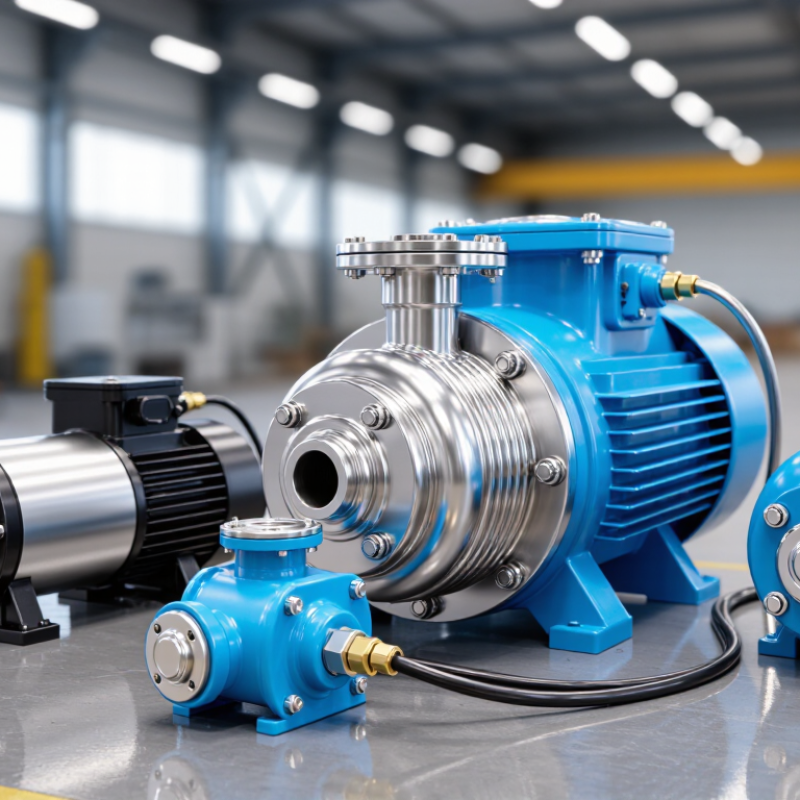
A water jet pump lifts water through a nozzle, suction chamber, and diffuser. A separate impeller pump supplies pressurized water to the nozzle. As the water accelerates, pressure drops inside the chamber. This low-pressure area draws water from a well, tank, or underground source. The two flows then mix and slow down in the diffuser. Pressure rises again before water enters the delivery pipe. The process resembles a controlled Venturi effect. The jet assembly has few moving parts, but the driving pump still needs proper maintenance.
Common designs include shallow-well and deep-well systems. Single-pipe models suit moderate lifting distances. Two-pipe models can reach deeper water sources, when pipe size and installation are correct. Buyers should compare flow rate, total head, suction depth, motor power, and local voltage. A reliable selection also considers sand, temperature, water chemistry, and seasonal water-level changes. In practice, calculated output rarely matches the first installation perfectly. Pipe friction, air leaks, or a poorly set nozzle can reduce performance. That gap deserves attention.
Tips: Check the performance curve, not only the advertised flow. Keep the suction line short, sealed, and gently sloped. Install a strainer where debris is possible. Confirm electrical protection with a qualified technician. Test pressure and flow after installation, then record the readings. Small details matter.
A water jet pump turns mechanical power into a fast-moving stream that draws in and moves water. Its main parts include an impeller, nozzle, suction passage, casing, and drive source. The impeller adds energy to the water, while the nozzle shapes the flow into a concentrated jet. That jet creates a low-pressure area near the suction opening, helping pull in more water.
Small details matter. A worn nozzle can weaken the jet, while a partly blocked suction passage may reduce flow or cause unstable operation. In practical checks, inspect seals, clear debris from the intake, and listen for unusual vibration. These clues do not identify every fault, but they can point to problems before performance drops further.
Performance depends on more than rated flow. Buyers should compare flow rate, lift, discharge pressure, power demand, and the pump’s ability to handle the intended water conditions. A compact unit may suit a narrow well or drainage task, while a larger setup may be needed for longer discharge lines. Pipe length and bends also affect output. Specifications can be easy to misread; operating conditions rarely match a perfect test setup. Check the performance curve and installation requirements before choosing.
| Pump Type | Operating Principle | Key Components | Indicative Performance Characteristics | Best-Suited Applications | Key Buyer Considerations |
|---|---|---|---|---|---|
| Shallow-Well Jet Pump | A centrifugal impeller pressurizes water through a nozzle. The resulting high-velocity jet creates suction in a venturi, drawing water into the pump. | Electric motor, centrifugal impeller, nozzle, venturi, pump casing, suction port, discharge port, and usually a pressure-control system. | Typically used where the pumping water level is within about 6–7 m of the pump under practical installation conditions. Flow and discharge pressure vary substantially with motor size, pipework, and operating point. | Domestic wells, garden irrigation, and small water-supply systems with a relatively shallow water level. | Check the actual pumping water level—not just the well depth. Correct priming, airtight suction piping, and a suitable foot valve are important. |
| Deep-Well Jet Pump | A pump above ground sends pressurized drive water to an injector installed down the well. The injector mixes drive water with incoming well water and lifts the combined flow. | Surface pump, down-well nozzle and venturi assembly, drive-water line, delivery line, check valve, and pressure controls. | Can serve water levels below the practical suction limit of a surface-only pump. Lift capacity and delivered flow depend on injector depth, pipe arrangement, and the split between drive and delivered water. | Wells where a submersible pump is not selected or where the jet-pump arrangement suits the site and maintenance plan. | Confirm the pump-and-injector performance chart for the required water level. Two-pipe systems need adequate well-casing space and careful pipe sizing. |
| Convertible Jet Pump | A surface pump configured with the appropriate jet assembly for either shallow-well service or deep-well service. | Motor, impeller, pump casing, interchangeable or separately installed jet assembly, pressure switch, and connection ports for the selected setup. | Performance depends on configuration: shallow-well operation is limited by atmospheric suction conditions; deep-well operation depends on the matched injector and piping arrangement. | Sites where well conditions may change or buyers need flexibility across more than one installation configuration. | Verify which jet assembly and piping layout are included. Convertible does not mean one configuration will deliver the same flow or lift as the other. |
| Multi-Stage Jet Pump | Multiple impeller stages add pressure in sequence; a jet or ejector stage may assist suction, depending on the design. | Motor, multiple impellers and diffusers, stage casing, suction and discharge ports, and—where applicable—a nozzle and venturi assembly. | Designed to provide higher discharge pressure than many single-stage arrangements. Maximum suction lift remains constrained by atmospheric pressure unless a down-well injector is used. | Water boosting, irrigation, and supply systems requiring elevated discharge pressure within the pump’s specified operating range. | Compare the full pump curve at the required flow and pressure. Check water temperature, available inlet pressure, and the manufacturer’s limits for continuous operation. |
| Liquid-Jet Ejector (Water Eductor) | A pressurized motive-water stream passes through a nozzle, entrains another liquid, and carries the mixture through a diffuser. It has no rotating parts in the ejector body. | Motive-water nozzle, suction chamber, mixing section, diffuser, motive-fluid supply, and suction and discharge piping. | Capacity is governed by motive pressure, nozzle geometry, suction conditions, and the ratio of entrained flow to motive flow. Ejectors generally trade energy efficiency for simple construction and handling of difficult conditions. | Drainage, tank emptying, priming, mixing, and selected industrial or marine duties where a simple ejector is advantageous. | Assess total system energy use, including the pump supplying motive water. Confirm compatibility with the liquid, solids, temperature, and required discharge conditions. |
Selection note: Performance varies by design, water level, elevation, temperature, pipe diameter, and system resistance. Treat the descriptions as general guidance; use the specific pump curve and installation instructions to confirm duty-point performance.
In 2026, global buyers can choose from several major water jet pump types. Each design suits different water sources, depths, and pressure requirements.
Shallow-well jet pumps work well where the water level stays within roughly 7.5 meters. They are compact, easier to install, and practical for homes or small irrigation systems.
Deep-well jet pumps use an injector below ground. This arrangement supports deeper water levels and steadier lifting performance.
Convertible jet pumps can serve shallow or deep wells, depending on the injector setup. That flexibility is useful, but installation becomes more demanding.
Ejector or eductor pumps use a high-speed water stream to move another liquid. They have no submerged moving parts, which can simplify maintenance in selected industrial applications.
Multistage jet-assisted pumps provide higher pressure for taller buildings, long pipelines, or demanding irrigation layouts. However, extra stages may increase energy use and maintenance costs.
The label “jet pump” is not always consistent across markets. Buyers should check the pump curve, suction limit, flow rate, motor voltage, and material compatibility.
Regional electrical standards also require careful verification. A pump that performs well in a test tank may struggle with sand, air leaks, or unstable water levels.
I would not choose by horsepower alone. Installation records, technician feedback, and verified technical documents often reveal more than a polished specification sheet.
Shallow-well jet pumps suit homes and small sites drawing water from a nearby well, often within roughly 7 metres of the pump. Their above-ground motor is easy to inspect, and installation is relatively straightforward. A technician can check the pressure switch, fittings, and suction line without entering a well. They work well for garden taps and modest household demand. Keep in mind: a small air leak can weaken suction, even when the pump sounds normal.
Deep-well jet pumps use an ejector assembly below the water surface, allowing them to lift water from greater depths than shallow-well models. The motor and main pump can remain accessible at ground level, while the submerged assembly helps maintain suction. This arrangement can suit rural homes where groundwater sits too low for a standard shallow-well pump. More parts mean more checks. Ejector placement and pipe sizing matter, and poor setup can reduce flow.
Convertible jet pumps can serve shallow or deeper wells when fitted with the appropriate ejector configuration. That flexibility helps buyers adapt to changing water levels or different sites without replacing the entire pump. They may also support livestock watering or small irrigation systems, though actual output depends on well depth, pipe length, and required pressure. Measure before choosing. A pump that delivers adequate flow at the test bench may perform differently through long, narrow pipes. Water quality deserves attention too: sand or grit can wear internal components, and filtration may be needed.
Choosing a water jet pump starts with the operating conditions, not the catalog photograph.
Measure required flow, delivery pressure, suction lift, fluid temperature, and daily duty hours.
The U.S. Department of Energy’s Improving Pumping System Performance guide reports that pumping systems can consume 25–50% of industrial electricity.
Small sizing errors become expensive quickly.
Check the motive-water pressure carefully.
A jet pump needs enough pressure to create suction, but excessive pressure can waste energy and increase wear.
The Hydraulic Institute’s ANSI/HI 9.6.1 guidance recommends evaluating available NPSH against required NPSH, with a practical safety margin.
Keep suction pipes short, straight, and airtight.
Air leaks are often mistaken for pump failure.
Water quality also changes the decision.
Sand, suspended solids, and chemicals require suitable wetted materials and a replaceable nozzle or diffuser.
For hot water, verify temperature limits rather than trusting general ratings.
The International Energy Agency’s World Energy Outlook 2016 estimated that water-related services used about 4% of global electricity, so efficiency deserves attention.
A lower purchase price may hide higher operating costs.
That shortcut is tempting. It is also wrong.
Recheck the calculation when demand varies, because a pump selected for peak flow may run inefficiently for most of the year.