How to Choose the Best Water Jet Pump for Your Needs?
Choosing the right water jet pump can be a daunting task. Experts emphasize the importance of selecting a pump that meets your specific needs. Mark Thompson, a renowned water jet pump specialist, once stated, "The best water jet pump is one that matches your requirements perfectly." This underscores the complexity involved in making a decision.
Water jet pumps vary greatly in design and functionality. Understanding your application is crucial. Some pumps are ideal for residential use, while others excel in industrial settings. Factors such as power, flow rate, and durability play a pivotal role. You may find yourself overwhelmed by options, but this is part of the process.
Many users overlook essential features, leading to dissatisfaction. Failing to assess performance ratings can result in poor choices. Take the time to consider your specific requirements. A careful evaluation will help you make a more informed decision. The right water jet pump can enhance efficiency in your projects. However, it's vital to approach your selection thoughtfully.
Understanding the Function and Benefits of Water Jet Pumps
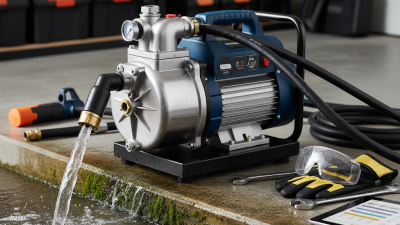
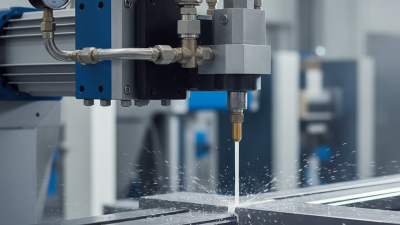
Water jet pumps are crucial for various applications. Understanding their function helps users make informed decisions. These pumps utilize high-pressure water to create powerful jets. This technology can handle tough materials and provide efficient cleaning or cutting. In industries like construction and manufacturing, water jet pumps are indispensable tools.
Recent studies indicate that water jet technology offers significant advantages. For instance, around 75% of users report improved efficiency compared to traditional methods. Additionally, these pumps reduce waste. They use water more effectively, leading to lower operational costs. However, the initial investment can be high. Some users face challenges in maintenance and operation. This requires skilled personnel for optimal performance.
Moreover, the versatility of water jet pumps cannot be overlooked. They can handle various materials, from metal to soft substrates. However, selecting the right pump can be complex. It requires a deep understanding of specific needs and applications. Users must weigh factors like pressure, flow rate, and material compatibility. Often, users find it challenging to balance these requirements.
Key Factors to Consider When Choosing a Water Jet Pump
Choosing the right water jet pump requires careful consideration of several key factors. Flow rate is crucial; it determines how much water the pump can move. Pumps with higher flow rates can handle larger tasks. However, a high flow rate may not always be necessary for smaller jobs. Assess your specific needs to avoid over or under-performing.
Pressure is another important factor. The right pressure will enhance cleaning efficiency. Understand the types of surfaces you will clean or work with. Some surfaces need higher pressure, while others may require a gentler approach. Assessing the pressure required for your intended tasks can prevent damage to sensitive materials.
Different pump designs also influence usability. Some are more portable and easier to handle. Think about where you will use the pump most frequently. Portability might be key if you need to move it often. However, a more stationary pump might provide better performance for fixed installations. Reflect on where balance lies between convenience and performance in your situation.
Evaluating Pump Specifications: Power, Flow Rate, and Pressure
When selecting a water jet pump, it’s essential to assess specific specifications like power, flow rate, and pressure. Power is a key factor. Most water jet pumps operate between 1.5 to 5 horsepower. Higher horsepower provides more efficiency but could be overkill for small projects. Finding the right balance will save you energy and extend the pump's lifespan.
Flow rate is another critical element. It is measured in gallons per minute (GPM). For residential use, a flow rate of about 3 to 5 GPM suffices for common tasks. However, industrial applications might require rates exceeding 15 GPM. Determine your needs carefully; too high a flow rate could waste water and increase costs.
Tips:
Consider the pressure ratings as well. Pressure, measured in PSI, impacts the cleaning power. Most projects require between 1,500 to 3,000 PSI for effective cleaning. Finally, always check for compatibility with your existing hoses and accessories. Mismatched equipment leads to inefficiency and potential damage. Reflect on these factors to choose wisely; overlooking any may lead to dissatisfaction in the long run.
How to Choose the Best Water Jet Pump for Your Needs?
| Pump Model |
Power (HP) |
Flow Rate (GPM) |
Pressure (PSI) |
Weight (lbs) |
| Model A |
3 |
15 |
3000 |
45 |
| Model B |
4 |
18 |
4000 |
50 |
| Model C |
5 |
20 |
4500 |
55 |
| Model D |
6 |
22 |
5000 |
60 |
| Model E |
7 |
25 |
6000 |
65 |
Assessing Your Application Needs: Residential vs. Industrial Use
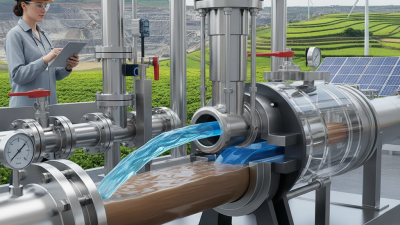
When choosing a water jet pump, understanding your specific application needs is crucial. Residential applications often require smaller, more efficient pumps. These pumps are suitable for tasks like watering gardens or clearing drains. They focus on energy efficiency and ease of use. In contrast, industrial use demands larger and more powerful pumps. These are designed for heavy-duty tasks, such as removing debris or high-flow irrigation systems. Keep in mind the operational pressure and flow rates you need.
Tips for choosing the right pump: Consider the frequency of use. If you only need a pump occasionally, a residential model may suffice. However, if constant use is expected, investing in an industrial pump is wise. Understand your power source options, too. Some pumps operate on electricity, while others may require gas or diesel. Each has its advantages, depending on availability and operational costs.
Evaluate the environment of use. Residential settings typically deal with clean water. Industrial applications may encounter debris or contaminants. A pump that easily manages these materials will save time and maintenance. Think about the warranty and customer support from manufacturers. A reliable pump provider offers peace of mind. Always compare performance specifications and user reviews before making a decision.
Water Jet Pump Applications Comparison
Budgeting for Your Water Jet Pump: Costs and Maintenance Considerations
When budgeting for a water jet pump, it's crucial to consider initial and ongoing costs. A quality water jet pump can range significantly in price. Cheaper models might tempt you, but they often require more maintenance. Investing in a reliable pump usually pays off in the long run. Higher upfront costs typically lead to lower maintenance expenses and longer life.
Maintenance for your water jet pump is another important consideration. Regular check-ups can prevent unexpected failures. Basic maintenance tasks include cleaning filters and inspecting hoses. Neglecting these tasks can lead to costly repairs. Think about setting aside a budget for repairs, in addition to your initial purchase.
Additionally, consider your unique needs. For instance, how often will you use it? If you're using the pump frequently, your investment should reflect that. A more durable model may be necessary. Balancing cost with quality can be challenging but essential for long-term satisfaction. Every purchase decision opens up questions about durability, efficiency, and overall value.
Reflect on these points as you make your choice.