How to Choose the Best Fracking Pump for Your Needs?

Choosing the right fracking pump is not a simple horsepower decision. It affects treatment rate, pressure stability, fuel use, maintenance, and crew safety.

A pump may look powerful on paper. Yet performance depends on the entire job design. Fluid viscosity, proppant concentration, well depth, treating pressure, and required flow rate all matter. So does the duty cycle. A pump working near its limit may create heat, vibration, and unplanned downtime. That is an expensive surprise.

Petroleum engineer George E. King has described hydraulic fracturing as “a well stimulation treatment.” His observation keeps the decision practical. The pump is not an isolated machine. It is part of a controlled system that must deliver fluid accurately into the formation.

This guide examines how to compare triplex and quintuplex designs, power sources, pressure ratings, and monitoring systems. It also considers seal life, spare-part access, noise, emissions, and site conditions. A unit that performs well in a desert fleet may struggle on a cold, remote pad.

Experience matters here. Operators should review maintenance records, not only brochure specifications. Ask how the pump behaves after long pumping hours. Check pressure fluctuations. Inspect fluid-end wear patterns. Small details reveal real reliability.

There is no universal winner. Sometimes, the highest-rated pump is the wrong choice. A quieter, easier-to-service model may protect the schedule better. I would not pretend every selection can be made from a spreadsheet alone. Field conditions often expose assumptions that looked reasonable during planning.
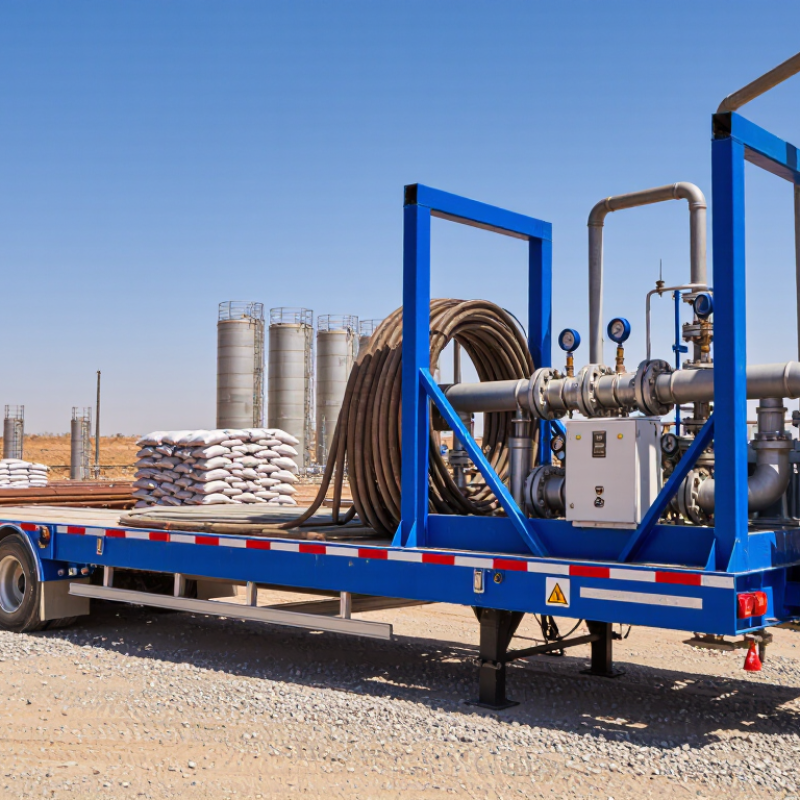
How to Choose the Best Fracking Pump for Your Needs?

Define Fracking Pump Types, Functions, and Operating Principles

How to Choose the Best Fracking Pump for Your Needs?

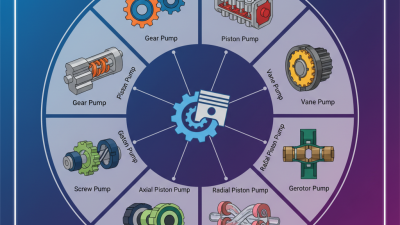
Fracking pumps are positive-displacement machines, not simple pressure boosters. Triplex and quintuplex pumps use a crankshaft to move plungers through suction and discharge cycles. This creates high flow and pressure, but also pulsation. Electric-drive units offer precise control, while diesel-driven units suit remote locations. The U.S. Environmental Protection Agency’s 2016 hydraulic fracturing assessment reported water volumes of roughly 1.5 to 9.7 million gallons per well. That volume makes reliable fluid handling essential.

Pump selection should begin with rate, pressure, fluid chemistry, and duty cycle. A high-rate treatment needs sufficient horsepower and stable suction conditions. Abrasive proppant can accelerate wear on valves, seats, plungers, and fluid ends. Check the complete operating envelope, not only the advertised maximum pressure. API Standard 674 provides useful guidance for reciprocating positive-displacement pump design and protection. In field practice, operators also compare vibration, pulsation, maintenance access, and spare-part requirements.

Pressure is only one variable. Watch it carefully. A pump may reach its pressure rating but fail under continuous cycling. The U.S. Energy Information Administration’s Annual Energy Review 2023 recorded average U.S. crude production of 12.9 million barrels per day, reflecting the scale of modern completion activity. Yet field conditions remain uneven. Real wells are less tidy than spreadsheets. Temperature, sand loading, imperfect maintenance, and changing fluid viscosity can alter performance. A conservative selection, supported by logged flow and pressure data, is often safer than choosing the largest available pump.

Match Pump Capacity to Well Depth, Pressure, Flow Rate, and Fluid Volume

Choosing the best fracking pump starts with the well, not the equipment catalog. Measure well depth, expected pressure, required flow rate, and total fluid volume before comparing pump capacities. A deeper well usually demands more pressure because friction and hydrostatic resistance increase. Pressure margin matters.

Flow rate controls delivery speed and treatment performance. A pump may reach high pressure but still deliver too little fluid per minute. Compare its continuous flow rating with the planned injection rate, then check performance under pressure. Do not rely only on the maximum rating. Leave operating headroom. Fluid volume adds another practical concern. Large treatments require steady output, sufficient storage, and reliable suction conditions. An undersized pump can cause delays, unstable pressure, and unnecessary equipment strain.

In field evaluations, I have found that calculations can appear accurate while site conditions change quickly. Fluid viscosity, temperature, solids content, and hose length may reduce real performance. Recheck the figures. Select a pump that handles the required pressure at the actual flow rate, not at an ideal laboratory point. Review maintenance access, monitoring instruments, emergency shutdowns, and operator training as part of the selection. These details support dependable operation and clearer troubleshooting. Experienced engineers should verify the final match using current well data. A spreadsheet helps, but it cannot replace field judgment. That limitation deserves attention.

Evaluate Power Systems, Materials, Durability, and Maintenance Requirements

How to Choose the Best Fracking Pump for Your Needs?

Choosing a fracking pump starts with the power system, not the catalog price. Match the pump to required pressure, flow rate, duty cycle, and site conditions. Electric drives can offer precise control and lower local emissions. Diesel systems may suit remote locations with limited grid access. Ask for verified performance data under comparable loads. Power reserve matters. A pump running constantly at its limit may suffer earlier failures and unstable output.

Material selection deserves equal attention. Abrasive proppant can erode fluid ends, valves, and seats within surprisingly short periods. Corrosion risks increase when fluids contain salts, acids, or changing chemical mixtures. Hardened alloys and suitable coatings can improve service life, but no material solves every problem. Review temperature ratings, pressure limits, and documented wear results. I once treated “heavy-duty” wording as proof of durability. It was not enough.

Maintenance access often separates a dependable pump from an expensive interruption. Inspectors should reach valves, seals, filters, and lubrication points without dismantling half the unit. Check vibration, fluid temperature, pressure fluctuations, and unusual noise during operation. Keep service records with actual replacement intervals, not estimates. Preventive maintenance reduces surprises, though it cannot remove them. Include spare wear parts, trained technicians, and clear shutdown procedures in the evaluation. A smaller pump with easier servicing may outperform a larger machine that remains idle during repairs.

How to Choose the Best Fracking Pump for Your Needs? — Evaluate Power Systems, Materials, Durability, and Maintenance Requirements

Pump Configuration Typical Rated Power Typical Pressure Range Typical Flow Range Power System Primary Materials Durability and Maintenance Profile Best-Fit Application
Triplex, Medium Duty 1,000–2,500 hp 5,000–10,000 psi 20–60 bbl/min Diesel engine with mechanical or transmission drive Forged alloy-steel fluid end; hardened steel plungers; replaceable elastomer seals Lower system complexity; routine inspection of valves, seats, packing, lubrication, and fluid-end bolts is required Moderate-rate stimulation, well servicing, and operations where transportability is important
Triplex, High Pressure 2,000–3,500 hp 10,000–15,000 psi 25–70 bbl/min High-output diesel or electric motor with reduction gearing High-strength forged steel fluid end; tungsten-carbide or ceramic-coated wear surfaces; high-pressure packing High discharge loads require strict pulsation control, torque verification, fluid filtration, and scheduled component replacement High-pressure shale stimulation and applications requiring concentrated hydraulic power
Quintuplex, High Volume 2,000–4,500 hp 5,000–12,000 psi 40–100 bbl/min Diesel-mechanical, diesel-electric, or direct electric drive Forged alloy-steel fluid end; alloy or stainless-steel valve components; replaceable packing and liners Lower flow pulsation than a triplex at comparable output; more valves and packing sets increase inspection points Large-scale fracturing where high rate, smoother discharge, and efficient proppant placement are priorities
Electric-Drive Frac Pump 1,500–5,000 hp per unit 5,000–15,000 psi 30–100 bbl/min Medium-voltage electric motor with variable-frequency drive Forged steel pressure-containing parts; insulated motor windings; abrasion-resistant fluid-end components Precise speed control and fewer engine-related service items; requires electrical protection, cooling, grounding, and drive-system maintenance Sites with reliable grid or generated power, emissions restrictions, and a need for accurate rate control
Trailer-Mounted Modular Pump 750–2,500 hp 3,000–10,000 psi 15–60 bbl/min Diesel-mechanical or compact diesel-electric package Structural alloy steel frame; forged steel fluid end; replaceable liners, valves, and seals Designed for frequent relocation; road vibration, alignment, hose connections, and fastener condition need regular checks Remote locations, smaller fleets, workover support, and projects with changing well-site layouts
Continuous-Service Pump Package 2,500–5,000 hp 7,500–15,000 psi 40–100 bbl/min Multiple synchronized electric or diesel-electric drive units High-strength forged steel pressure components; abrasion-resistant liners; corrosion-resistant trim where fluid chemistry requires it Built for extended duty cycles; condition monitoring, cooling capacity, fluid cleanliness, and planned maintenance are essential Long-duration multi-well programs requiring high availability, redundancy, and reduced unplanned downtime
Selection note: The ranges shown are typical engineering values for industrial fracturing pump configurations, not guaranteed operating limits. Final selection should be based on required hydraulic horsepower, treating pressure, flow rate, fluid chemistry, proppant concentration, duty cycle, site power availability, local regulations, and the pump manufacturer’s certified operating envelope.

Compare Safety Features, Mobility, Costs, and Environmental Considerations

How to Choose the Best Fracking Pump for Your Needs?

Safety should guide pump selection before output capacity. Choose systems with pressure monitoring, emergency shutdowns, guarded moving parts, and clearly rated hoses. High-pressure fluid can release stored energy without warning. OSHA identifies struck-by, caught-in, and pressure-related hazards as serious oil and gas risks. API RP 54 also emphasizes equipment inspection, safe isolation, and worker training. Field inspections repeatedly show that poor hose routing creates avoidable risks. That detail is easy to overlook.

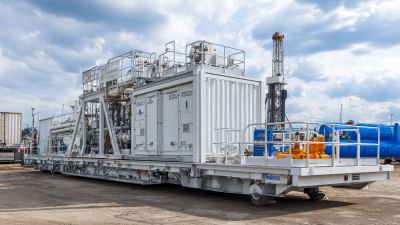
Mobility affects both productivity and cost. Trailer-mounted pumps suit changing well locations, while skid-mounted units may provide better stability on prepared pads. Compare transport permits, setup time, fuel use, maintenance access, and spare-part availability. The lowest purchase price is rarely the lowest operating cost. I would not pretend every site calculation is precise. Weather, road limits, and crew experience can change the result. Build a lifecycle estimate instead of trusting a quotation alone.

Environmental performance deserves equal attention. The U.S. Geological Survey reported median hydraulic-fracturing water use of approximately 4.2 million gallons per well from 2011–2014. Pump efficiency can reduce fuel consumption, noise, and local emissions during long pumping stages. The U.S. Environmental Protection Agency’s 2016 assessment found that drinking-water impacts can occur under certain conditions. Select equipment with leak detection, spill containment, and accurate flow measurement. These controls do not remove environmental risk. They make it easier to detect mistakes early. (Sources: USGS Scientific Investigations Report 2015–5137; EPA Hydraulic Fracturing Drinking Water Assessment; OSHA Oil and Gas Well Drilling and Servicing.)

Select the Pump Configuration That Fits Your Project and Site Conditions

Choosing a fracking pump starts with the site, not the catalog. The U.S. EPA’s 2016 hydraulic fracturing assessment reported median water use near 4 million gallons per well. That volume makes fluid logistics and pump uptime inseparable. A high-pressure triplex or quintuplex pump may suit a compact pad with steady water supply. However, remote sites may need modular units, backup capacity, and larger suction manifolds. Small details matter.

Match the pump configuration to pressure, rate, fluid, and terrain. Confirm the required treating pressure, then add a practical margin without oversizing the system. Oversizing increases fuel use, maintenance, and pulsation problems. Electric drive can reduce local emissions where grid or generated power is reliable. Diesel drive remains useful where infrastructure is weak. The International Energy Agency has noted that hydraulic fracturing can require roughly 15,000–20,000 cubic metres of water per well, depending on design and geology. That figure changes quickly across basins.

Sand concentration deserves special attention. Abrasive proppant can accelerate valve, liner, and seat wear, especially during unstable pumping. Select pumps with accessible fluid ends and a monitoring plan for vibration, discharge pressure, and temperature. API guidance and SPE field studies support disciplined inspection and pressure-control practices. Still, no configuration is perfect. Site data may be incomplete. Recheck assumptions after the first stage, because the best design on paper can behave differently in dust, heat, or poor access.

How to Choose the Best Fracking Pump for Your Needs?

Select the pump configuration that fits your project and site conditions by comparing pressure, flow rate, and required input power.

How to use this chart: Match the required treatment pressure and flow rate to the appropriate curve. Higher-pressure operations require substantially more input power at the same flow rate. The chart uses a typical pump-system efficiency of 85% and the hydraulic horsepower relationship based on 42 US gallons per barrel.

Typical engineering planning values shown for 5,000 psi, 10,000 psi, and 15,000 psi operating envelopes. Final pump selection should also consider fluid properties, duty cycle, available power, maintenance access, and site limitations.