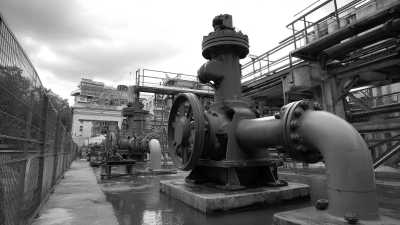
A reliable solution pump is rarely chosen by price alone. Buyers need a pump that handles the actual liquid, operating temperature, flow rate, and pressure. In practice, a clean water test tells little about performance with viscous, corrosive, or particle-bearing fluids. That detail matters.
Grand View Research’s Industrial Pumps Market Size, Share & Trends Analysis Report estimated the global industrial pumps market at USD 62.63 billion in 2023, with projected annual growth of 4.3% from 2024 to 2030. This estimate provides useful market context, but it does not rank Chinese suppliers or verify individual factory capabilities. Supplier claims still need checking.
This guide examines leading solution pump suppliers in China through practical selection criteria: product range, material options, customization, quality documentation, and after-sales support. It also considers whether a manufacturer can provide clear specifications and relevant test records, not just polished catalog photos. The term “solution pump” can describe different applications, so buyers should define the fluid and duty conditions before comparing quotations. A supplier may look suitable on paper, yet miss the mark in service. That is worth questioning.
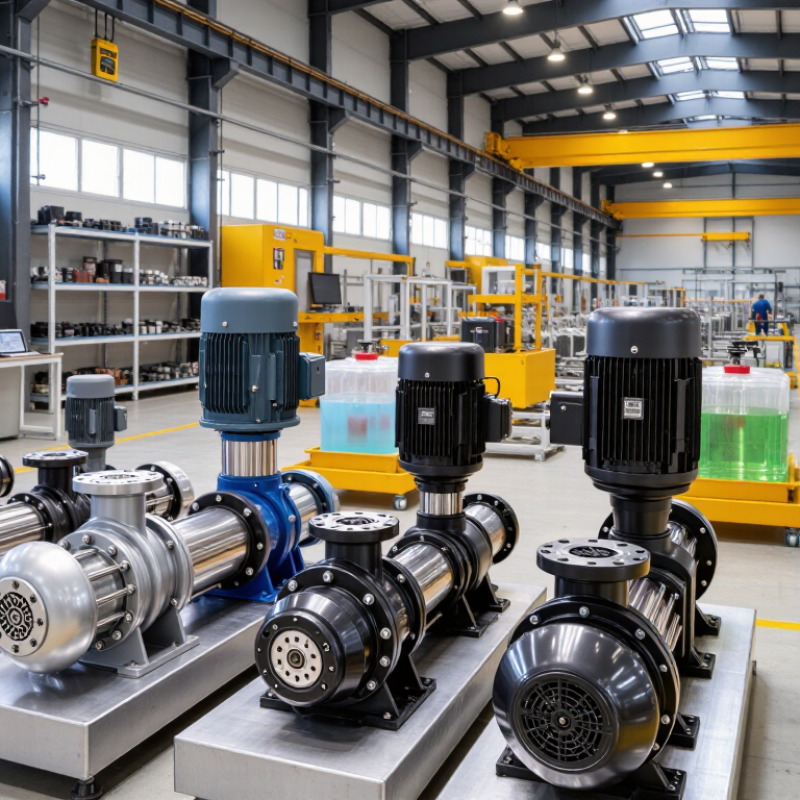
Solution pumps move liquids in which chemicals, salts, or other ingredients are dissolved or blended. Depending on the application, they may transfer a prepared mixture or meter small, controlled doses into a process. Many use diaphragm, peristaltic, or centrifugal designs; the right choice depends on flow, pressure, viscosity, and required accuracy.
These pumps are used in water treatment, industrial cleaning, food processing, and agricultural irrigation. A dosing pump might feed a measured amount of treatment solution into a pipe, while a transfer pump moves liquid from a mixing tank to a production line. Small details matter. Check the liquid’s temperature and concentration, then confirm that wetted parts—such as seals and pump heads—are compatible. A catalog description alone rarely tells the whole story.
When comparing suppliers in China, ask for a performance curve, material specifications, and test information for the operating conditions you expect. Clarify whether the stated flow rate changes under pressure, and ask how the pump handles frequent starts or varying liquid levels. A common oversight is selecting by maximum flow alone. It sounds reasonable, but the pump may then run poorly at the lower rates used in daily operation.
China’s solution pump industry is not a single market tier. It is a network of pump makers, component specialists, and system integrators. Some factories build complete metering or transfer units. Others focus on wet-end parts, motors, seals, or control panels. The distinction matters.
Pump manufacturers usually sit at the center. They select materials, machine housings, assemble units, and test flow and pressure before shipment. Component suppliers provide diaphragms, valves, and corrosion-resistant materials. Integrators connect pumps to tanks, piping, sensors, and dosing controls. A buyer may receive one packaged system, although several firms made its parts. This chain can be efficient. It can also make accountability less obvious. The structure is not always tidy in practice.
Regional manufacturing clusters help companies share machining, casting, and logistics capacity. Yet “solution pump supplier” is a broad label, not proof of technical depth. Suppliers serving water treatment, chemical processing, or food production may use different materials and test procedures. Ask for a pump curve, wetted-material list, calibration method, and sample inspection record. Check how spare parts are handled after installation. A factory visit helps, but it may miss weak points. Certificates have limits, too. Compare the documents with the actual fluid, temperature, and duty cycle. Industry classifications overlap, and that is worth remembering.
| Supplier Segment | Common Pump Types | Typical Applications | Key Selection Factors | Typical Role in the Supply Chain |
|---|---|---|---|---|
| Chemical process pump manufacturers | End-suction centrifugal, horizontal split-case, and vertical in-line pumps | Chemical transfer, circulation, and process duties where flow and materials must suit the liquid | Liquid properties, temperature, required flow and head, casing and impeller materials, and seal arrangement | Manufacture pump units and may provide application engineering, testing, and spare parts |
| Metering and dosing pump manufacturers | Diaphragm, plunger, and peristaltic dosing pumps | Controlled injection of chemicals in water treatment, industrial processes, and utilities | Required dosing rate, pressure, turndown, chemical compatibility, control method, and accuracy requirements | Supply the dosing pump and, depending on scope, controls and dosing accessories |
| Sealless pump manufacturers | Magnetic-drive and canned-motor pumps | Transfer of hazardous, volatile, or valuable liquids where reducing external leakage is important | Liquid compatibility, operating temperature, containment design, cooling or lubrication requirements, and duty point | Provide specialized pump designs; system integration and commissioning may be handled separately |
| Corrosion-resistant and non-metallic pump manufacturers | Fluoropolymer-lined, plastic, and other corrosion-resistant centrifugal pumps | Acid, alkali, and corrosive-liquid handling, subject to material and temperature limits | Chemical concentration, temperature, solids content, lining or polymer compatibility, and mechanical strength | Manufacture pumps using selected wetted materials and advise on material suitability |
| Water-treatment equipment manufacturers and system integrators | Dosing pumps, transfer pumps, and packaged pumping systems | Municipal and industrial water treatment, including chemical dosing and process-water handling | Process design, dosing-point requirements, controls, instrumentation, installation, and maintenance access | Combine pumps with tanks, piping, instrumentation, control panels, and project services |
| OEM and export-oriented pump manufacturers | Models vary by manufacturer and may include centrifugal, dosing, or chemical-duty pumps | Private-label supply, project procurement, and export orders for distributors or equipment builders | Drawing and specification control, inspection documentation, destination-market requirements, packaging, and after-sales support | Supply products directly or through trading companies, distributors, and engineering contractors |
Industry note: These are supplier segments, not a company ranking. Pump selection should be based on the actual liquid, operating conditions, duty point, materials, and applicable project specifications. Standards and certifications should be verified for the specific model and order.
China’s solution-pump market serves many applications, so no single supplier fits every project. Buyers commonly compare manufacturers specializing in municipal water, industrial processes, submersible drainage, and packaged systems. The right fit depends on fluid chemistry, flow, pressure, seal design, and maintenance access. A polished catalogue alone proves little.
The U.S. Department of Energy’s Improving Pumping System Performance sourcebook estimates that pumping systems use nearly 20% of global electricity. In some industrial facilities, they account for 25–50% of energy use. These figures make efficiency data important when evaluating Chinese suppliers. Request test results at your actual operating point, material records, factory-test procedures, and spare-parts lead times. Ask how the supplier handles cavitation risks and seal selection. Clear answers can reveal more than a low quotation.
Tips: Compare pump curves under your real conditions. Check references from similar installations. Supplier directories rarely show long-term failure rates, so keep your shortlist provisional.
Use these standard pump relationships as a technical reference when comparing supplier data. The curves are calculated from the centrifugal pump affinity laws, not from company performance figures.
Assuming the impeller diameter remains unchanged, flow varies approximately with speed, head with speed squared, and power with speed cubed. Values are normalized to the operating point at 100% speed; actual results depend on the pump and system.
Buyers comparing solution pump suppliers in China should start with the liquid, not the catalogue. Share its viscosity, temperature, solids content, and required flow and head. A pump selected only by outlet diameter may run noisily or overheat. Ask for a duty-point curve showing efficiency and motor load under your operating conditions. Request wetted-part and seal materials in writing. Small details matter. A sample test report can show whether quoted performance was measured or estimated. Still, one report cannot predict every installation; pipe losses and uneven feed can change results.
Check how each supplier validates production quality. Ask whether pumps undergo pressure, leakage, and performance tests, and request dated records linked to the model offered. Compare warranty coverage, spare-part availability, response times, and realistic lead times—not just unit price.
If possible, inspect a test bench by video or arrange a factory visit. Look for clear information about tolerances and maintenance intervals. Not enough. A polished presentation alone proves little. Can the engineering team explain a seal choice or revise a drawing promptly? Treat vague claims as a reason to ask follow-up questions, while remembering that detailed paperwork still needs to match the delivered pump.
Choosing a Chinese solution-pump supplier is less about catalog size than verifiable performance. Ask for a pump curve matched to your flow, head, liquid temperature, and solids content. Confirm test conditions and acceptance tolerances against ISO 9906, which specifies hydraulic performance tests for rotodynamic pumps. A curve without test records is only a promise.
Check wetted-part materials against the actual fluid, and request certificates for critical components. The U.S. Department of Energy’s Improving Pumping System Performance sourcebook estimates that pumping systems account for nearly 20% of global electricity demand. Ask for measured efficiency at your normal duty point, motor data, and operating range. Inspect the supplier’s test-bench capability, spare-parts lead times, and commissioning support. A polished showroom proves little. Request a recent test report and clarify who handles failures after shipment; quotations can be vague here.
Tips: Send one representative duty case, not a broad wish list. Compare expected operating costs, but treat estimates cautiously. Request references for similar fluids and duty cycles. Small mismatch, big wear.