Choosing a reliable water jet pump supplier can shape project costs, operating safety, and long-term maintenance results. Global buyers often compare pressure ratings, flow capacity, materials, certifications, customization, and delivery support. A pump may look powerful in a catalog, yet perform poorly with abrasive water, unstable voltage, or unsuitable piping.
This guide introduces seven suppliers serving international industrial, agricultural, cleaning, and marine markets. Each company is considered through practical purchasing criteria, including manufacturing experience, product documentation, quality control, warranty terms, spare-part availability, and technical communication. Factory audits, test reports, and verified customer feedback deserve attention. Marketing claims alone are not enough.
Real projects rarely follow perfect specifications. A supplier may offer excellent engineering but slower communication. Another may provide fast delivery but limited customization. That trade-off matters. Buyers should confirm inlet size, operating pressure, duty cycle, corrosion resistance, installation conditions, and local service options before placing an order. Small details matter.
The selected suppliers represent different strengths rather than one universal winner. Some focus on compact pumps for light-duty cleaning, while others support demanding industrial systems with stainless-steel or engineered components. Prices can also change with materials, order quantities, shipping routes, and currency movements. This overview aims to support careful comparison, not replace technical evaluation. Always request current specifications and written quotations before making a final decision.
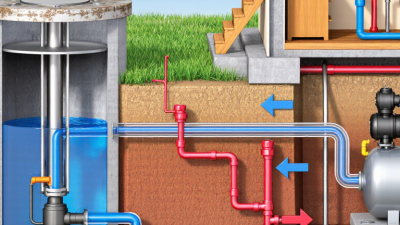
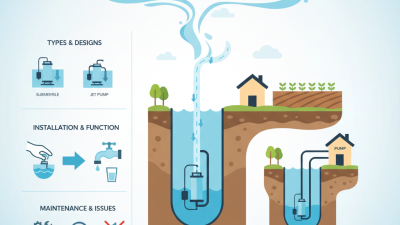
Water jet pumps use pressurized water to move, clean, cut, or intensify fluid flow. Unlike many mechanical pumps, some models rely on a narrow water jet to create suction. This design is commonly called an ejector or jet pump. A motor drives the main pump, which forces water through a small nozzle. The water accelerates sharply as it exits.
That fast stream lowers pressure around the nozzle. Lower pressure draws water from a nearby source through the suction pipe. The incoming water mixes with the driving stream inside the pump body. A diffuser then slows the combined flow and converts velocity into useful pressure. The pump sends this output through a delivery pipe. Simple physics, but small installation errors matter.
I have seen systems lose performance because the suction pipe contained air leaks. Poorly sealed joints, excessive pipe length, and clogged strainers can produce similar symptoms. A reliable supplier should explain pressure, flow rate, power demand, materials, and service conditions clearly. Buyers should also check water temperature, particle content, lift height, and required operating hours. Stainless steel can suit corrosive environments, while reinforced polymer may reduce weight. However, material selection needs engineering confirmation.
Jet pumps are not always the best choice. They may consume more energy than a conventional centrifugal pump in certain applications. Noise can also increase near the nozzle. Field testing is valuable, because catalog figures rarely match every installation. A careful supplier provides curves, test conditions, spare-part guidance, and realistic limitations.
Key Criteria for Evaluating Global Water Jet Pump Suppliers
Choosing a water jet pump supplier requires more than comparing catalog prices. The United Nations World Water Development Report 2024 states that agriculture represents about 70% of global freshwater withdrawals. This makes hydraulic efficiency, leak prevention, and dependable operation important purchasing factors. Ask suppliers for tested flow rates, pressure curves, efficiency figures, and NPSH data under realistic conditions. Laboratory performance can look impressive. Field performance may differ.
Documentation reveals technical maturity. Check whether pumps are tested under ISO 9906 procedures, and request material certificates for wetted components. Stainless steel, corrosion-resistant alloys, and suitable seals should match water chemistry and temperature. The IEA reports that electric motor systems consume roughly half of global electricity. Therefore, a supplier should explain motor efficiency, variable-speed compatibility, and expected lifecycle energy use. A lower purchase price can become expensive after several years of operation.
Global support matters just as much. Review production capacity, inspection records, delivery history, spare-parts availability, and response times. Ask for references from installations using similar pressure and flow requirements. A reliable supplier should provide clear warranty terms, installation guidance, and remote troubleshooting. Be cautious with vague claims. Some figures are difficult to verify. I would also examine packaging quality, because damaged fittings can delay an entire project. Country coverage is not enough; local technical capability is what counts.
This benchmark uses seven practical procurement criteria and suggested percentage weights for comparing water jet pump suppliers. Performance and compliance receive the highest priority because flow, pressure, materials, safety, and documented conformity directly affect operating reliability. The chart is a neutral evaluation framework and does not represent data from any specific company or brand.
Seven leading water jet pump suppliers serve different industrial needs, from precision cutting to surface preparation.
The differences matter.
A low purchase price may hide expensive seal replacement.
Industry data supports careful comparison. MarketsandMarkets estimates the waterjet cutting machine market will grow from about USD 1.2 billion in 2023 to nearly USD 1.7 billion by 2028. This growth increases demand for stable pressure, accurate flow control, and responsive maintenance.
During supplier evaluations, buyers should request pressure curves, duty-cycle limits, seal-life records, and test certificates.
ISO 9001 certification can indicate controlled processes, but it does not guarantee field performance.
Choosing among the seven best water jet pump suppliers requires more than comparing catalog prices. Product quality appears in practical details: stainless-steel grades, seal design, pressure stability, and motor efficiency. During supplier evaluations, request factory test reports and inspect sample units when possible. Pressure matters.
Certifications should match the destination market and pump application. Look for quality-management certification, electrical compliance documents, material traceability, and clearly dated test records. A certificate alone proves little if serial numbers do not match the shipment. Documentation matters. Ask whether the supplier can provide installation drawings, maintenance intervals, and verified performance curves.
Pricing should include freight, spare seals, commissioning, energy use, and warranty handling. A low quotation can hide expensive replacement parts or limited technical support. My first comparison once focused too heavily on purchase cost, which distorted the decision. Support often separates a reliable supplier from an average one. Check response times, language coverage, remote troubleshooting, and local service options. Ask twice. Suppliers that explain pressure loss, water quality limits, and expected service life usually demonstrate stronger technical knowledge. Still, avoid trusting polished promises without references, inspection access, or written commitments. A practical trial order may reveal more than a long sales presentation.
Choosing a water jet pump supplier requires more than comparing online prices. Check whether the supplier understands your flow rate, pressure, water quality, and operating environment. A capable supplier should provide clear performance curves, material specifications, and tested efficiency data. Ask for factory inspection records and recent customer references. Specific evidence matters.
Look for suppliers with stable production, experienced engineers, and documented quality control. Confirm whether each pump receives pressure, leakage, and vibration tests before shipment. Spare parts availability also matters, especially when your site operates far from the supplier. A responsive service team can prevent a small seal problem from becoming costly downtime. Language support helps too.
Do not ignore logistics. Review packaging, delivery terms, export documents, warranty coverage, and installation guidance. Compare the full operating cost, not only the purchase price. A cheaper pump may consume more energy or require frequent repairs. I have seen buyers focus heavily on quotations and overlook maintenance access. That decision can hurt later. Request a sample calculation based on your actual duty cycle. If the supplier avoids technical questions, keep searching. Sometimes a polished catalog hides limited field experience. The right supplier should welcome practical questions, admit design limits, and explain what may need improvement.