Top Fracking Pump Manufacturers for Global Buyers
Choosing a fracking pump manufacturer is not just a search for the highest pressure rating. Buyers need equipment that fits their operating conditions, service capacity, and long-term maintenance plans. A pump may look impressive on a specification sheet, yet prove difficult to support far from its factory. Small details matter.
This guide examines what global buyers should consider when comparing leading manufacturers. It looks at pressure and flow requirements, fluid-end design, power-end durability, control systems, and the availability of wear parts such as liners, valves, and seals. Service access matters, too. A technician working beside a dusty pump spread needs clear documentation and practical support, not vague promises.
Manufacturer comparisons should rely on verifiable information, including published specifications, service records where available, warranty terms, and references from comparable operations. Regional support can change the real cost of ownership. So can shipping times for replacement components. Buyers should confirm these details directly, because product ranges and support networks may vary by market. No single ranking fits every project.
The fracking pump market also changes as designs, operating practices, and buyer priorities evolve. This overview offers a starting point, not a substitute for technical review. Some comparisons remain imperfect when manufacturers disclose different levels of data. That limitation deserves attention. Careful questions can help buyers identify a supplier whose equipment and service commitments match the demands of their operation.
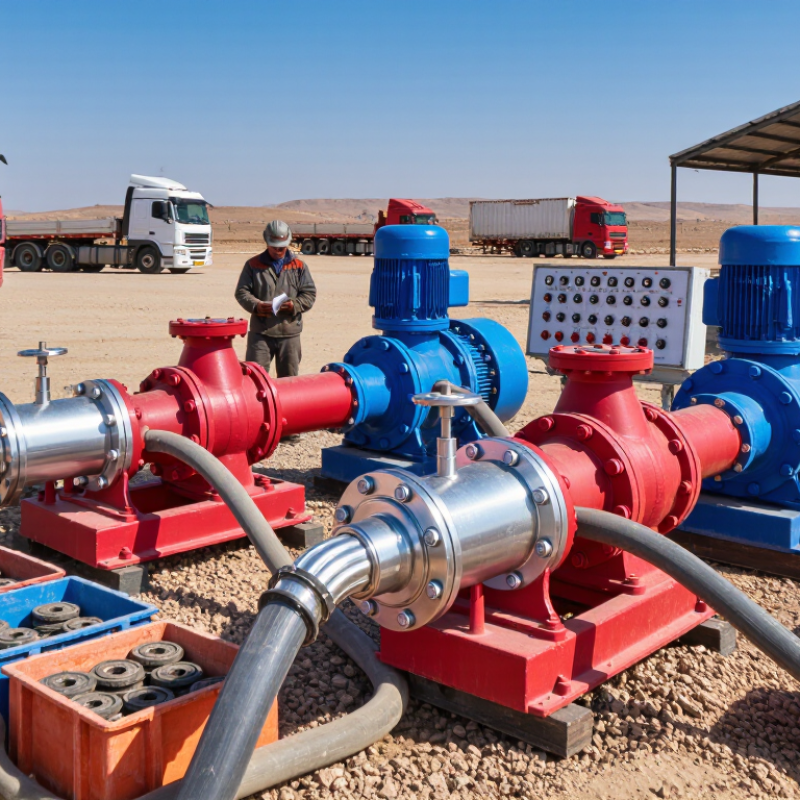
Fracking Pumps: Types, Functions, and Applications
Fracturing pumps deliver water-based fluid and proppant at controlled rates and high pressures into a well. Reciprocating designs are common; triplex pumps use three plungers, while quintuplex models use five. The extra plungers can provide smoother flow, depending on design and operating conditions. Their power ends drive the plungers, and fluid ends contain the pressure. Together, these components support hydraulic fracturing, where fluid creates fractures and carries proppant into them. These pumps also serve in pressure testing and other demanding fluid-transfer work. Selection depends on required pressure, flow rate, fluid properties, and duty cycle.
Tips: Match the pump’s rated pressure and flow to the job. Check fluid-end materials, seal compatibility, and maintenance access. Small details matter.
Before operation, inspect connections, valves, and fluid ends for wear or leakage. Track pressure and vibration during use; unexpected changes deserve attention. A specification sheet helps, but it cannot capture every site condition. That gap is easy to overlook. Review operating limits with qualified personnel, and use documented maintenance procedures. Regular checks can reduce unplanned downtime, though they do not replace sound engineering judgment.
Key Factors for Evaluating Fracturing Pump Manufacturers
Top Fracking Pump Manufacturers for Global Buyers
Key Factors for Evaluating Fracturing Pump Manufacturers
A fracturing pump must sustain demanding pressure and flow rates across long operating shifts. Evaluate its rated pressure, output range, power-end design, and fluid-end materials against your actual well program. Ask how performance changes under continuous duty, heat, vibration, and abrasive fluid exposure. A polished specification sheet is useful, but field records matter more. Request test reports and references from operations with comparable conditions.
Tips: Compare seal life, inspection intervals, and time needed for common repairs. Ask whether replacement parts are stocked near your operating region. Check what technical support is available during commissioning and unexpected downtime. Small delays add up.
Look closely at build quality and serviceability. Removable components, accessible lubrication points, and clear maintenance instructions can reduce repair time at the site. Confirm that pressure testing and quality checks are documented. Also compare warranty terms and the full cost of ownership, not only the purchase price. A lower quote may leave out support or essential spares. No pump is maintenance-free; even a strong design can disappoint when service planning is weak. Request evidence, then verify details with the people who operate and maintain the equipment.
Leading Fracking Pump Manufacturers and Their Product Strengths
Leading fracking pump manufacturers distinguish themselves through pressure capability, durability, and support in the field. Many offer triplex or quintuplex designs for sustained high-pressure pumping. Their strengths often lie in replaceable fluid ends, robust power ends, and configurations suited to different flow rates. These details matter when abrasive slurry passes through liners, valves, and seats for hours. Wear is not theoretical; it shows up as leaks, heat, and lost operating time.
Buyers should compare rated pressure and flow with the actual well program, rather than relying on headline figures alone. Ask for material specifications, inspection records, and clear maintenance intervals. Good manufacturers also make critical spares available and provide practical technical support. Downtime can be costly. A service team that understands pump repair may matter as much as a strong machine. Still, a polished brochure is not proof of reliability. Request operating references and review how performance was measured. One detail is easy to overlook: local parts access can change the real cost of ownership. Even careful comparisons have limits; operating conditions vary, and estimates do not always match field wear.
Comparing Pump Performance, Reliability, and Lifecycle Costs
For global buyers, a fracking pump’s rated horsepower tells only part of the story.
Compare its pressure and flow performance under the duty cycle your site actually demands. Ask for test data at sustained operating conditions, not just peak output. Peak figures look impressive. They may not reflect hours of continuous pumping, changing fluid properties, or hot ambient conditions. Check how evenly the pump delivers flow, and whether vibration or temperature rises during extended runs. These details affect both operating stability and wear.
Reliability is easier to judge when maintenance records and component life estimates are available. Review expected service intervals, seal and valve replacement needs, and access to qualified technicians and spare parts near the job site. A pump that is quick to inspect can reduce downtime, even if its purchase price is higher. Lifecycle cost should include energy use, scheduled maintenance, repairs, transport, and lost production during outages. Compare assumptions carefully; estimates can miss harsh site conditions. No spreadsheet captures every surprise. Buyers should ask suppliers to explain what their cost projections leave out, then compare those assumptions against field experience and realistic maintenance plans.
Global Procurement, After-Sales Support, and Supplier Selection
For global buyers, selecting a fracking pump manufacturer starts with matching equipment to the actual duty cycle. A pump may look suitable on paper yet struggle with abrasive fluid, frequent pressure changes, or long operating hours. Share expected flow rates, pressure ranges, fluid properties, and site conditions before requesting a quotation. Ask for documented performance tests and clear lead-time estimates. Small details matter.
After-sales support deserves the same scrutiny as purchase price. Confirm how technical issues are handled across time zones, and whether troubleshooting is available by phone or video. Check the warranty’s coverage, exclusions, and claim process in writing. Ask which wear parts should be stocked locally, including valves, seals, and fluid-end components. A spare-parts list is useful; realistic replenishment times are better.
Supplier checks should include service references, quality records, component traceability, and inspection options before shipment. Clarify export documents, packaging, installation guidance, and operator training early, since these can affect delivery and startup. A factory visit may reveal useful details, but it cannot guarantee trouble-free service. I would also ask for a sample maintenance schedule and compare it with the crew’s real capacity. Procurement plans are rarely perfect; site conditions change, and one overlooked fitting can delay commissioning.
Fracturing Pump Pressure Classes for Global Buyers
Pressure-rating classes shown in psi and their metric equivalents in MPa.
The MPa values are unit conversions using 1 psi = 0.00689476 MPa. These reference classes are not a comparison of manufacturers; confirm the pump’s rated pressure and operating conditions with each supplier.