What Are the Top Hydraulic Gas Pump Types?

Choosing a hydraulic gas pump starts with a practical question: what gas pressure and flow does the job require? These pumps use hydraulic power to drive a gas-compression mechanism, making them useful where controlled, high-pressure delivery matters. They appear in testing, charging, gas transfer, and industrial process work. The right design depends on the gas, operating pressure, duty cycle, and available hydraulic supply—not just a headline pressure rating.

Common configurations include single-acting and double-acting pumps, as well as single-stage and multistage models. A single-acting unit compresses gas during one direction of travel; a double-acting design can compress on both strokes. That difference can affect output and operating rhythm. Single-stage models suit some pressure ranges, while multistage pumps can reach higher pressures through successive compression steps. Details matter. Port size, seal materials, cooling needs, and gas compatibility deserve attention too. A pump’s advertised capacity may change under actual operating conditions.

This guide compares leading hydraulic gas pump types and explains where each may fit. It also considers trade-offs, selection checks, and maintenance points, such as inspecting seals and monitoring hydraulic fluid. No design is universally best. Manufacturer data and qualified engineering review should guide final selection, especially when gas properties or pressure limits are uncertain. A little caution here can prevent a costly mismatch. The categories are useful, but real installations do not always fit neatly into them.
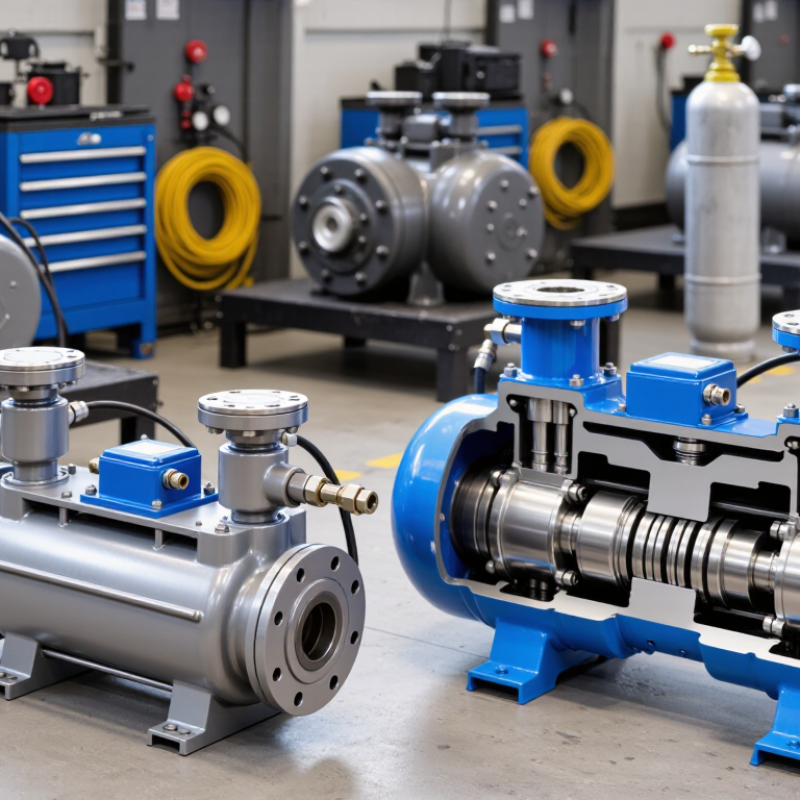
What Are the Top Hydraulic Gas Pump Types?

How Hydraulic Gas Pumps Work

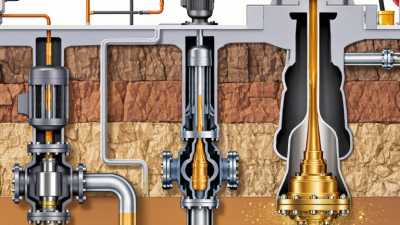
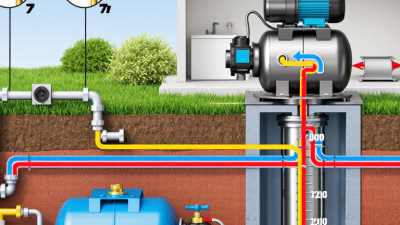
A hydraulic gas pump converts pressure from a circulating power fluid into mechanical motion. At the surface, a pump sends pressurized liquid down a line to a piston or motor. That force drives a reciprocating mechanism, opening an intake valve and drawing gas into a chamber. On the return stroke, the intake closes and gas moves through a discharge valve toward the surface. The cycle repeats. Small details matter: worn seals can reduce pressure, while gas trapped in the power fluid can make strokes uneven.

Common designs include reciprocating piston systems and hydraulic jet pumps. A jet pump sends power fluid through a nozzle; the fast stream lowers pressure and draws in produced fluids and gas. The mixture then travels upward for separation.

The U.S. Department of Energy’s Improving Pumping System Performance sourcebook reports that pumping systems use nearly 20% of global electricity. It also estimates they consume 25–50% of energy in some industrial plants. These figures cover pumping systems broadly, not gas pumps specifically. Still, they show why leaks, excess pressure, and poor fluid selection deserve attention.

A clean cycle on paper can behave differently underground. I would treat operating data—not a catalog rating—as the better guide.

Which Designs Are the Main Hydraulic Gas Pump Types?

Hydraulic gas pumps mainly use piston or diaphragm designs. In a piston-type unit, hydraulic fluid moves a drive piston, which compresses gas in a separate chamber. Single-acting models compress on one stroke; double-acting designs use both strokes. Multiple stages can raise pressure gradually when a large pressure increase is needed. These pumps suit many boosting tasks, but seal condition and gas compatibility matter.

Diaphragm designs use hydraulic pressure to flex a flexible barrier. The barrier keeps process gas apart from the hydraulic fluid, which can help when fluid contamination must be avoided. Their flow capacity and pressure range depend on the model and operating conditions. The distinction is easy to blur: both use hydraulic power, yet their gas-contacting parts differ. That detail changes maintenance needs.

Tips: Check inlet pressure, required outlet pressure, gas properties, and duty cycle before choosing. Ask how seals or diaphragms are inspected and replaced. Leave margin for real operating conditions; specifications alone can be misleading. Good records help, too.

How Hydraulic Piston Gas Pumps Generate Pressure

Hydraulic piston gas pumps raise pressure by using hydraulic oil to drive a piston against a smaller gas-side piston. The pressure gain comes from the area ratio: hydraulic force is concentrated onto a smaller gas area. In ideal conditions, a 10:1 area ratio can produce roughly ten times the hydraulic pressure. Actual output is lower because seals, friction, and gas heating consume some of that advantage.

During each stroke, inlet and discharge check valves guide the gas through the pump head. The piston draws gas into the chamber, then compresses it until chamber pressure opens the outlet valve. Repeated strokes build delivery pressure. The U.S. Department of Energy’s Improving Compressed Air System Performance sourcebook reports that compressed air uses about 10% of electricity in U.S. manufacturing, and can reach 30% at some facilities. That system-level figure is not a pump efficiency rating, but it shows why pressure losses and operating conditions matter. Real installations are less tidy than a diagram.

Tips: Check the hydraulic-to-gas piston area ratio, seals, and rated pressure before selecting a pump. Monitor outlet temperature and pressure during operation; rising heat can signal inefficient compression. Don’t assume the theoretical ratio equals usable output.

How Diaphragm and Liquid-Piston Gas Pumps Differ

Hydraulic gas pumps use liquid pressure to move gas, but diaphragm and liquid-piston designs separate the fluids differently.

In a diaphragm pump, hydraulic fluid flexes a membrane that displaces gas inside a chamber. The gas stays isolated. This barrier can help limit fluid carryover and keep process gas away from sliding seals. It can be useful when gas purity matters. Diaphragms flex through repeated pressure cycles, however, so temperature, chemical compatibility, and operating pressure affect their service life. A worn membrane may not be obvious at first.

A liquid-piston pump uses a liquid column as the moving boundary that compresses gas in a cylinder. In some designs, the hydraulic fluid itself forms that boundary. Compression can be smooth, and certain configurations handle moisture well. But liquid may contact the gas. Check compatibility, corrosion risk, and possible liquid entrainment before selecting a pump. Compare flow rate and duty cycle, not just maximum pressure. Maintenance access matters too. A test with the actual gas can help, though site conditions may still reveal issues that a bench test misses.

How Pump Types Compare in Pressure, Flow, and Applications

Hydraulic gas pumps use hydraulic power to compress gas, but each design balances pressure and flow differently. A reciprocating piston booster can produce high discharge pressure from a relatively small gas volume. Its flow pulses with each stroke, and delivery usually drops as pressure rises or inlet pressure falls. It suits leak testing, cylinder charging, and process jobs where pressure matters more than a smooth, high-volume supply. Expect vibration.

A diaphragm pump separates the gas from hydraulic fluid with a flexible barrier, making it a useful choice for clean or sensitive gases. Its flow may be lower than a comparable piston unit, and the diaphragm requires regular inspection. Multistage piston designs compress gas in steps, allowing higher final pressures, though each stage adds complexity and heat. Not always a better fit. Compare pumps at the actual operating point, not only by their maximum ratings. Check inlet pressure, gas composition, target pressure, temperature, and duty cycle. A unit rated for high pressure may deliver very little gas near its limit. Cooling and cycling matter, too; real site demand can be less tidy than a spreadsheet suggests.