Which Is the Best Water Well Pressure Pump in China?

Choosing the best water well pressure pump in China depends less on a brand name than on the well, household, and water demand. A shallow well supplying one kitchen tap has different needs from a deeper source feeding several bathrooms and garden sprinklers. Pump type, flow rate, pressure range, motor power, and well depth all matter. So does water quality. Sand or fine sediment can wear components faster, while a long pipe run may reduce pressure at the outlet. Small details count.

There is no single best model for every property. That answer is less satisfying, but more useful. When comparing Chinese manufacturers, check published performance curves, rated voltage, pump materials, warranty terms, and access to replacement parts. Ask whether the quoted flow and pressure can be achieved at your actual pumping depth; a headline number alone may not tell the whole story. Also consider installation space, noise, automatic controls, and the cost of routine maintenance. A low purchase price can look attractive. It may not stay attractive.

This guide explains how to compare water well pressure pump options by application and measurable specifications. It also points out questions to ask suppliers before ordering, including how they test performance and handle service requests. Treat product claims as claims until you can verify them. A careful comparison may take longer, but it can help you avoid a pump that runs constantly, delivers weak pressure, or simply does not suit your well.
Which Is the Best Water Well Pressure Pump in China?

How Water Well Pressure Pumps Work

Which Is the Best Water Well Pressure Pump in China?

How Water Well Pressure Pumps Work

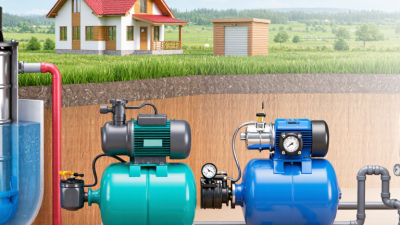
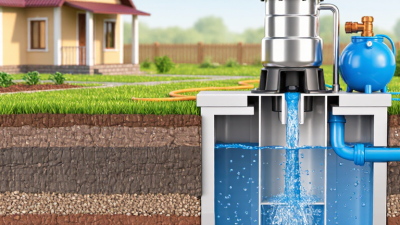
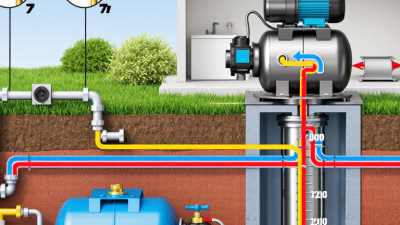
A well pressure system moves water from underground and delivers it to taps at usable pressure. The pump may sit above ground or inside the well. Shallow wells often use jet pumps, while deeper wells commonly need submersible pumps. The right setup depends on water depth, household demand, and the well’s recovery rate—not just motor power.

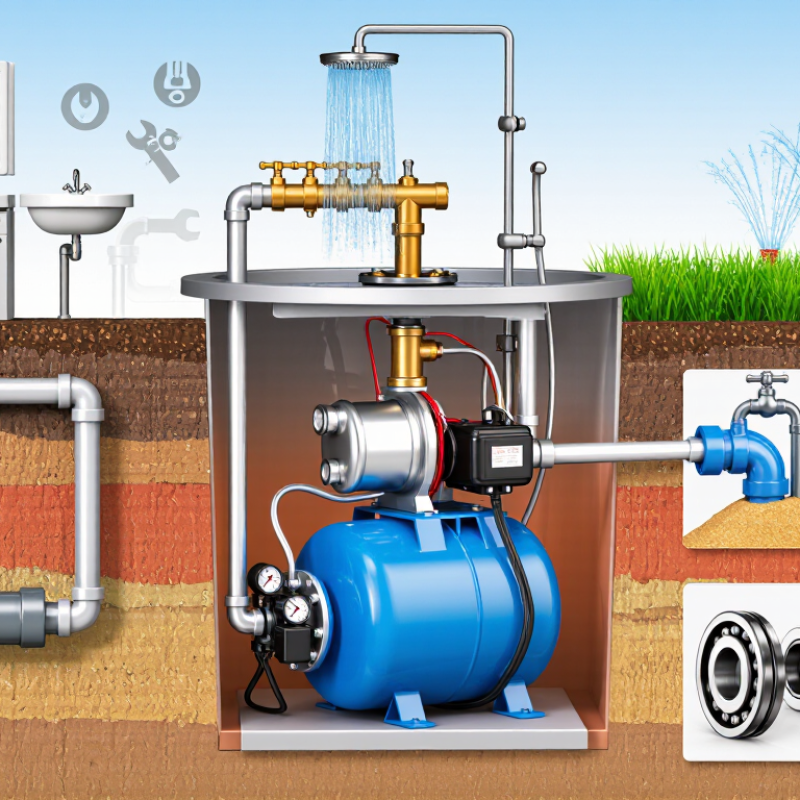
When a tap opens, pressure drops in the pipes and pressure tank. A pressure switch detects the change and starts the pump. Water then flows into the plumbing and tank. Inside the tank, compressed air provides a cushion, helping maintain pressure between pump cycles. Once pressure reaches the switch’s upper setting, the pump stops. Pressure drops. The cycle repeats.

Pump sizing deserves care. A pump that is too small may struggle when several taps run; one that is too large can cycle frequently and wear faster. Check the well’s measured water level, desired flow, and pressure settings before choosing equipment. A pressure gauge near the tank can reveal unstable readings, but it does not explain every fault. I still find this easy to overlook: a weak flow may come from a clogged filter or low well yield, not the pump itself.

Main Types of Water Well Pressure Pumps in China

Water-well pressure pumps in China generally fall into three practical groups: submersible, jet, and booster pumps. Submersible pumps sit below the water level and suit deep wells, where surface suction is unreliable. Their motors run underwater, so noise is low, but repairs may require pulling the pump and pipe from the well. Jet pumps remain above ground and can serve shallow wells; deep-well versions use an ejector assembly. They are easier to access, though often less efficient. Booster pumps raise pressure from a storage tank or an existing supply. Variable-speed models can adjust output as taps open and close. Small details matter.

The U.S. Department of Energy’s Improving Pumping System Performance: A Sourcebook for Industry reports that pumping systems account for nearly 20% of global electricity use. This figure covers many applications, not water wells alone, but it shows why matching pump output to demand matters. Check the well’s dynamic water level, required flow, pipe friction, voltage, and pressure-tank size before choosing a model. An oversized pump can cycle too often and wear out sooner. A common weak point in pump comparisons is the lack of measured well data; estimates can mislead. Ask for a flow test and pressure readings under actual use.

Key Features That Affect Pump Performance and Reliability

Choosing a water well pressure pump in China starts with the well, not the catalogue. Measure the static water level, pumping water level, and height to the highest outlet. Then match the required flow and total dynamic head, including pipe friction and fittings. A pump that performs well at a shallow test point may struggle after a long pipe run. Check the well’s recovery rate, too. Otherwise, an oversized unit may cycle often or lower the water level excessively. A little capacity margin helps, but more power is not automatically better.

Motor efficiency, cooling, and thermal protection affect long-term reliability. Check that the motor suits the local power supply and expected operating hours. Wetted components should resist corrosion from the actual well water; mineral content can vary from site to site. Dry-run protection is useful where water levels fluctuate, while a correctly sized pressure tank can reduce rapid starts and stops. Small details matter. Before installation, confirm the pump’s operating range against the well depth and pipe layout. After installation, record pressure and current during normal use. If readings are unstable, the cause may be a poor setting or a changing water level, not a defective pump. I would still leave room for uncertainty: field conditions rarely match a neat specification sheet.

Which Is the Best Water Well Pressure Pump in China?

Key Features That Affect Pump Performance and Reliability

How to read this chart: At a fixed pressure rise of 3 bar, hydraulic output power increases with flow rate. Values are calculated using hydraulic power = flow rate × pressure rise; they represent water power only and do not include pump or motor losses. When comparing pumps, also check the rated duty point, efficiency, materials, thermal protection, and suitability for the well and water conditions.

How to Match a Pump to Well Depth and Water Demand

Choosing a water-well pressure pump starts with the well’s working conditions, not its advertised horsepower. Do not size a pump from total well depth alone. Measure the static water level, then note how far it falls while pumping. That changing level is the lift the pump must handle.

Deep wells generally call for submersible pumps; shallow-well jet pumps suit limited suction lift. Add elevation to the house, pipe friction, and required tap pressure; together, these determine total dynamic head.

Small details matter. A narrow pipe or several elbows can add resistance, so a depth-only estimate may disappoint.

Estimate peak household use in gallons per minute, including overlapping showers, laundry, and irrigation. A home using two showers at once needs a different flow than a cabin with one sink.

Match the pump’s delivered flow at the calculated head, not its maximum figure in a catalog. Check the well’s recovery rate, too; a powerful pump cannot sustainably supply water the well does not yield.

A pump that is too large may cycle frequently, while a small one can leave pressure weak during busy periods. Pair it with an appropriately sized pressure tank and verify the pump’s operating range.

Even careful estimates can miss seasonal water-level changes. That is easy to overlook.

How to Compare Chinese Pump Brands and Choose the Best Fit

Choosing among Chinese water-well pump suppliers starts with the well, not the catalog. Record the static water level, well depth, pipe diameter, and expected daily demand. Then compare each pump’s flow at the required total head; a high maximum-flow figure alone can mislead. A home with two showers and garden irrigation needs a different duty point than a cabin with one tap. Details matter. Ask for a performance curve, motor rating, and recommended operating range, not just headline specifications.

Check construction against water conditions: sand, acidity, and mineral deposits can affect wear. Compare impeller and casing materials, seal design, motor protection, and access to replacement parts. Ask whether the supplier provides test records, installation guidance, and clear warranty terms in writing. Ask for evidence. Service response matters, especially when a well serves a household. A low purchase price may cost more if parts are difficult to source. A long warranty alone does not prove quality; exclusions and local support matter. Even careful checks can miss pipe losses or seasonal water-level changes. Choose a model with documented performance that fits your site, then have a qualified installer verify the sizing.

Which Is the Best Water Well Pressure Pump in China? — How to Compare Chinese Pump Brands and Choose the Best Fit

There is no single best pump for every well. Compare pump type and verified model specifications against the well’s water level, required flow, delivery height, and household pressure needs. The options below describe pump configurations rather than brands.

Pump Configuration Best-Fit Well Conditions Pressure and Flow Considerations Advantages Limitations What to Verify Before Buying
Shallow-well jet pump Water is close enough to the surface for the pump to draw it through a suction pipe. Suitable for many shallow wells and cisterns. Available pressure and flow depend on the pump curve and the total lift and pipe losses. Surface suction is limited by atmospheric pressure; practical suction lift is generally less than the theoretical limit of about 10.3 m at sea level. Accessible for inspection and servicing; does not require placing the motor underwater. Cannot reliably serve water levels beyond its suction capability. Suction leaks, air ingress, or loss of prime can interrupt operation. Measure the lowest seasonal pumping water level, not just the well depth. Check the specified maximum suction lift, priming requirements, and pump curve.
Deep-well jet pump with downhole ejector Wells where a shallow-well jet pump cannot reach the pumping water level, but a surface-mounted pump is preferred. Performance depends on the ejector arrangement, installation depth, and pump curve. Flow and pressure can change substantially with lift. The motor and main pump remain accessible above ground; can serve wells deeper than a standard shallow-well jet arrangement. Requires an ejector and additional pipework in the well. Often less energy-efficient than a suitably selected submersible pump. Confirm the exact ejector configuration, installation limits, pipe sizes, and performance at the required lift and delivery pressure.
Well submersible pump Water level is below the practical suction range of surface pumps. The pump is installed underwater in the well. Pushes water to the surface rather than lifting it by suction. Select using the required total dynamic head and flow on the model’s pump curve. No surface suction pipe to prime; suitable for a broad range of well depths when correctly sized. Removal may be needed for pump or cable service. The well must provide adequate diameter, water supply, and motor cooling conditions. Check well casing diameter, pumping water level, required flow, total head, cable length, water quality, and motor protection requirements.
Submersible pump with pressure tank and switch Domestic well systems where a conventional pressure range and stored pressurized water are desired. A pressure switch starts and stops the pump at set pressures. A correctly sized pressure tank reduces frequent starts; the pump must still meet demand at the required pressure. Provides a familiar, relatively simple household pressure system and reduces short cycling when the tank is properly sized and charged. Pressure varies between switch cut-in and cut-out settings. Incorrect tank pre-charge, settings, or pump sizing can cause cycling or poor service. Check switch settings, tank drawdown and pre-charge instructions, pressure rating, and pump performance at the system’s operating pressure.
Submersible pump with variable-speed pressure control Applications with changing water demand where steadier delivery pressure is required and the selected motor and controller are compatible. The controller varies pump speed to respond to demand. Achievable flow and pressure remain limited by the pump curve, well yield, and system design. Can maintain more consistent pressure across changing demand and may reduce unnecessary starts compared with simple on/off control. Higher system complexity; controller compatibility, electrical supply, installation, and protection settings matter. Confirm motor and controller compatibility, minimum and maximum operating conditions, dry-run and overload protection, and local service support.

Comparison rule: Ask each supplier for the exact model’s pump curve, rated voltage and frequency, materials in contact with water, warranty terms, and applicable test or compliance documentation. Compare flow at the same total dynamic head—not maximum flow from one listing with maximum head from another. Total dynamic head includes vertical lift, required outlet pressure, and friction losses in the pipework. A pump must also be matched to the well’s sustainable yield.